How alcohol and nicotine can reinforce each other
The interaction is not simply that one chemical makes the other “stronger” everywhere in the body. A major part of the danger is that each can change how the other feels and how much a person uses.
Nicotine stimulates the nervous system and can temporarily make someone feel more alert. Alcohol slows brain activity and weakens judgment. Nicotine may blunt some of alcohol’s sleepy, slowed-down feeling without undoing the impairment. A person can therefore feel more capable of continuing to drink while still being impaired. Alcohol can also make nicotine more rewarding, strengthening the urge to smoke or vape while drinking.
The added harm depends on what is being used
Nicotine itself is addictive and affects the heart and blood vessels, but it is important to distinguish nicotine from tobacco smoke: smoke contains many other harmful substances. When drinking and smoking occur together, alcohol can increase contact between tobacco carcinogens and tissues in the mouth and throat, contributing to a greater cancer risk than either exposure alone. That combined tissue damage is not the same thing as nicotine directly binding more strongly to alcohol.
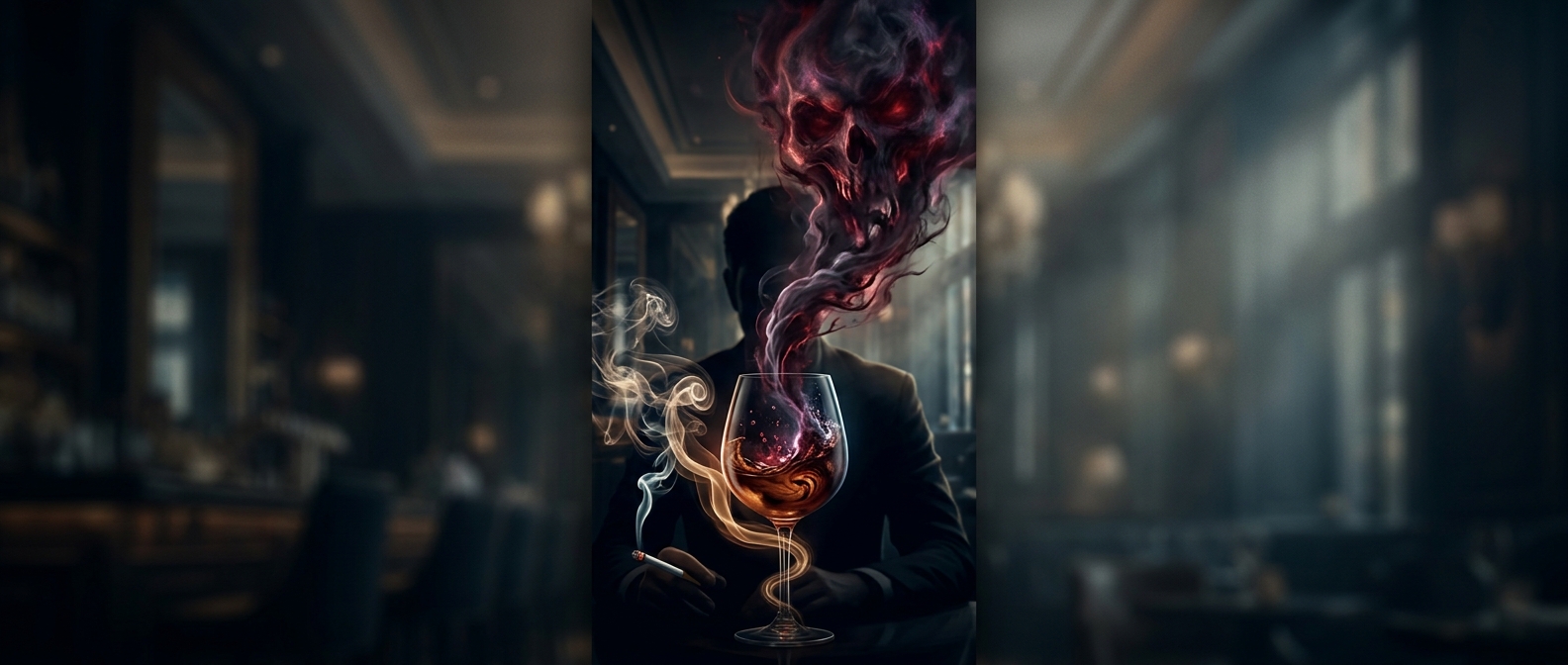
The practical consequence is a feedback loop: drinking can prompt more nicotine use, and nicotine can make it easier to keep drinking. Because neither alertness nor a nicotine-induced sense of steadiness restores alcohol-impaired coordination or judgment, the combination can lead someone to take in more of both substances while underestimating the effects.