The Risk Is in the Surrounding Game
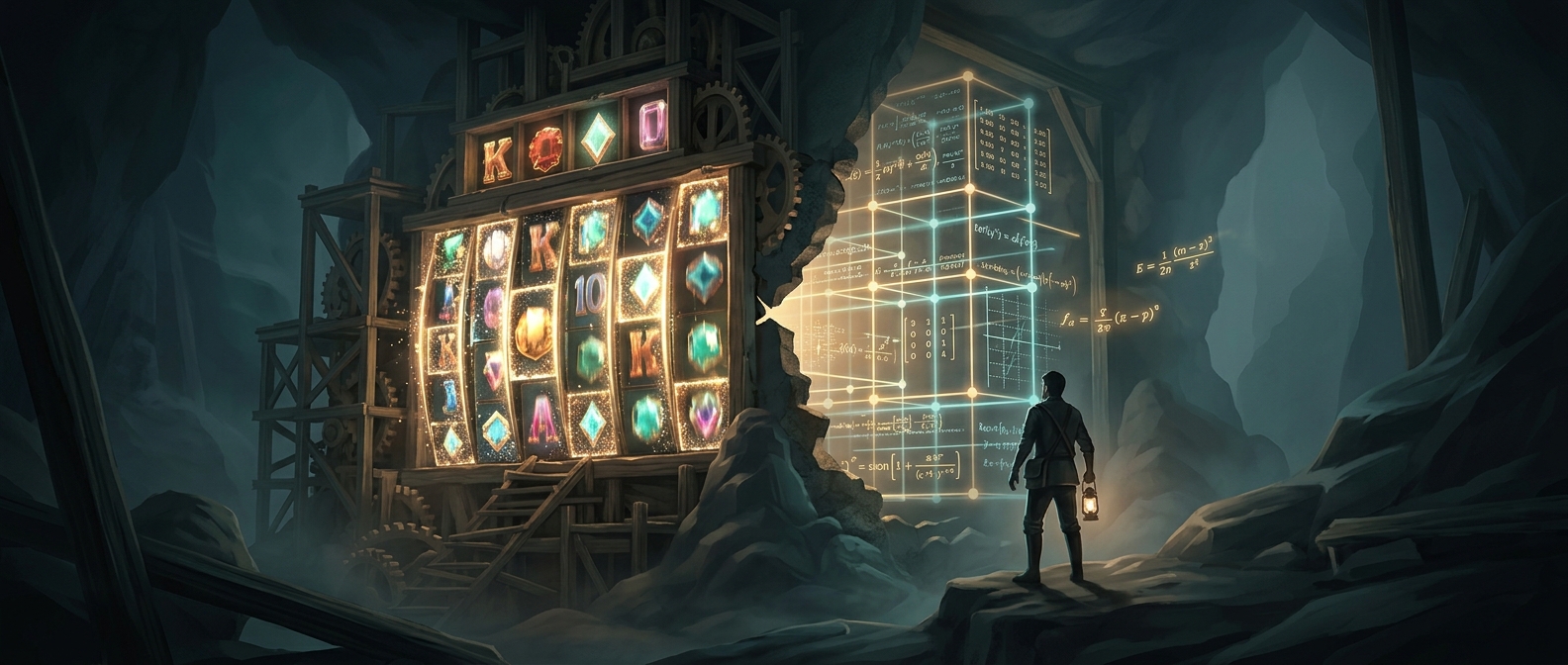
A loot box sells a chance at a random reward: a player pays with real money or game currency, opens the box, and discovers what is inside. The reward might be a useful item, a cosmetic change, or something the player already has. Because the outcome is uncertain, each purchase can carry the same psychological hook as a slot-machine spin: the possibility of a prized reward keeps the next try tempting, even after disappointing results.
Psychologists use the term intermittent reinforcement for rewards that arrive unpredictably. A player cannot know which purchase will pay off, so an occasional exciting result can encourage continued spending. The anticipation and reveal can become part of the attraction, not just the item itself.
Why Some See Loot Boxes as Harder to Avoid
The comparison with slots is not that loot boxes use a wholly different psychological trick. It is that they can place that trick inside a game people already play for hours. A box may be presented alongside ordinary play, limited-time events, or a character’s progress. That makes the decision to buy feel like part of continuing the game rather than a separate trip to gamble.
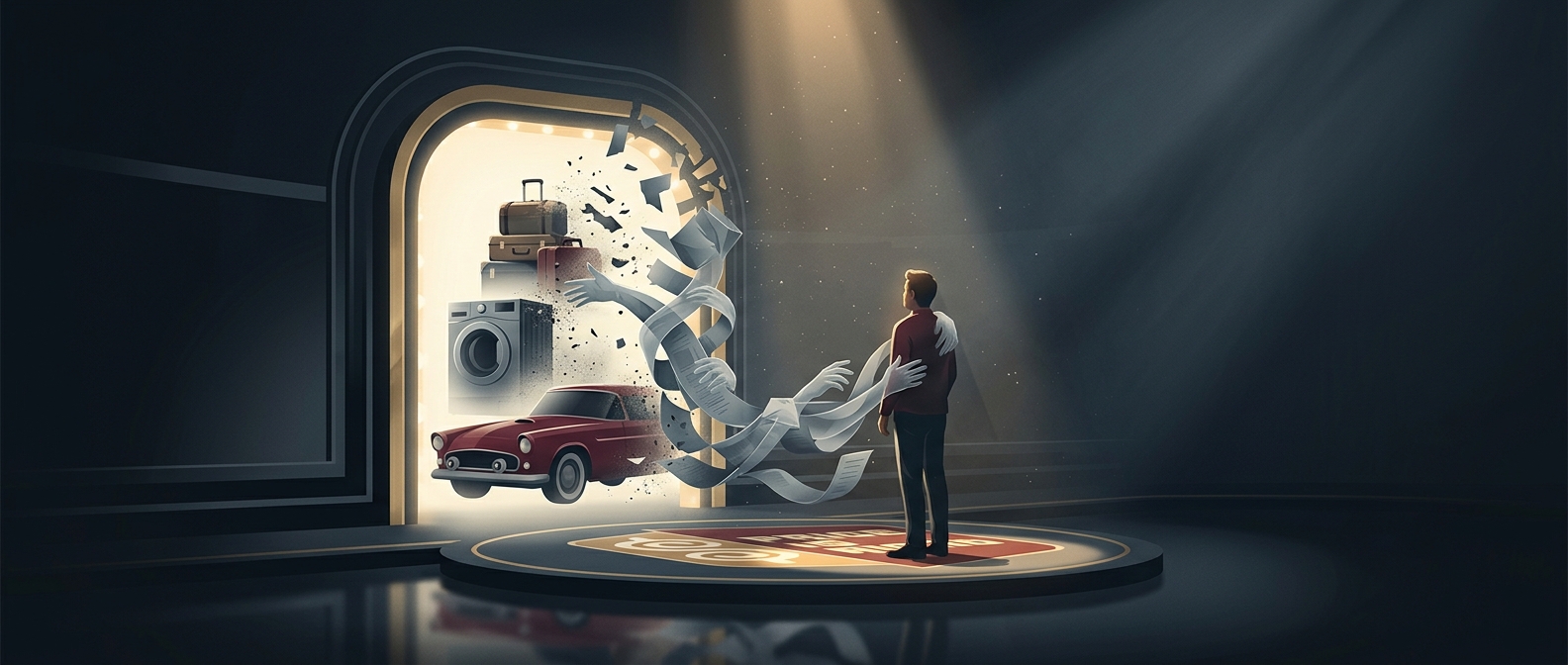
The cost can also be less visible. Players may first buy a bundle of virtual currency, then spend a small amount of that balance on each box. When the price is expressed in tokens rather than dollars, it can be harder to keep track of the real total. And unlike a casino, a game may be played at home, repeatedly, with no clear stopping point imposed by the setting.
A Similar Mechanism, Different Exposure
A slot machine is purpose-built around wagering and is commonly treated as gambling; loot boxes are embedded in entertainment and can reach players who would never enter a casino. Some items have no cash value, while others may be tradable or resalable, so the stakes vary by game. The concern is that familiar reward mechanics can be made unusually accessible and woven into everyday play—especially for younger players—making it easier for spending to build before it feels like a deliberate gamble.