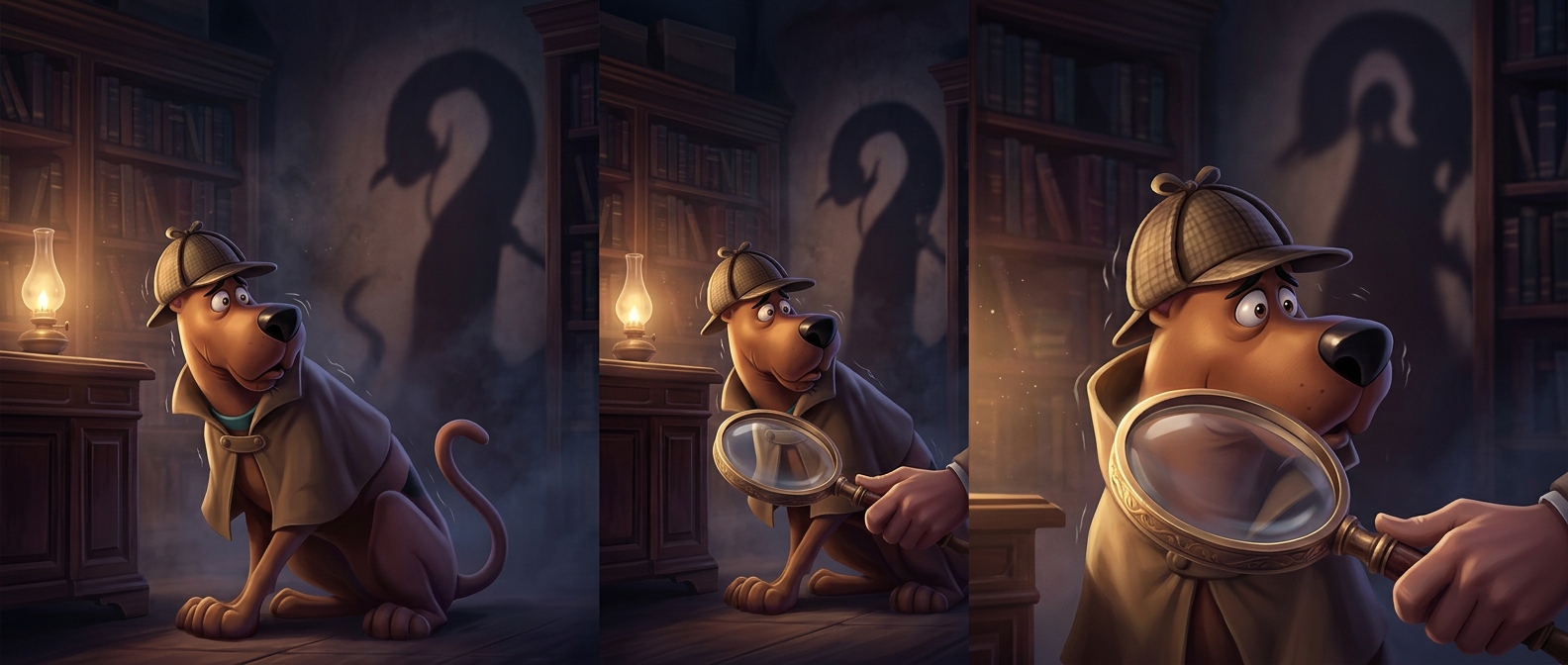
A mystery solver with one vulnerable detail
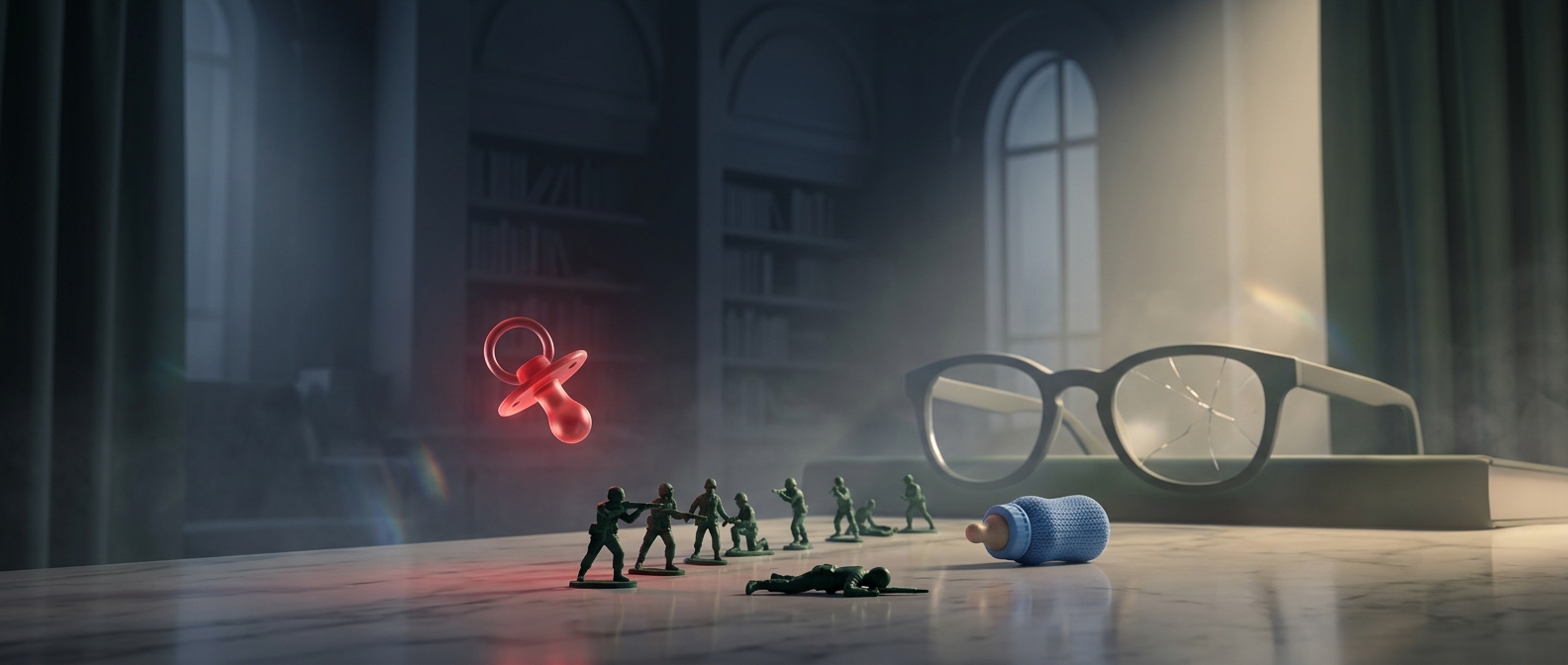
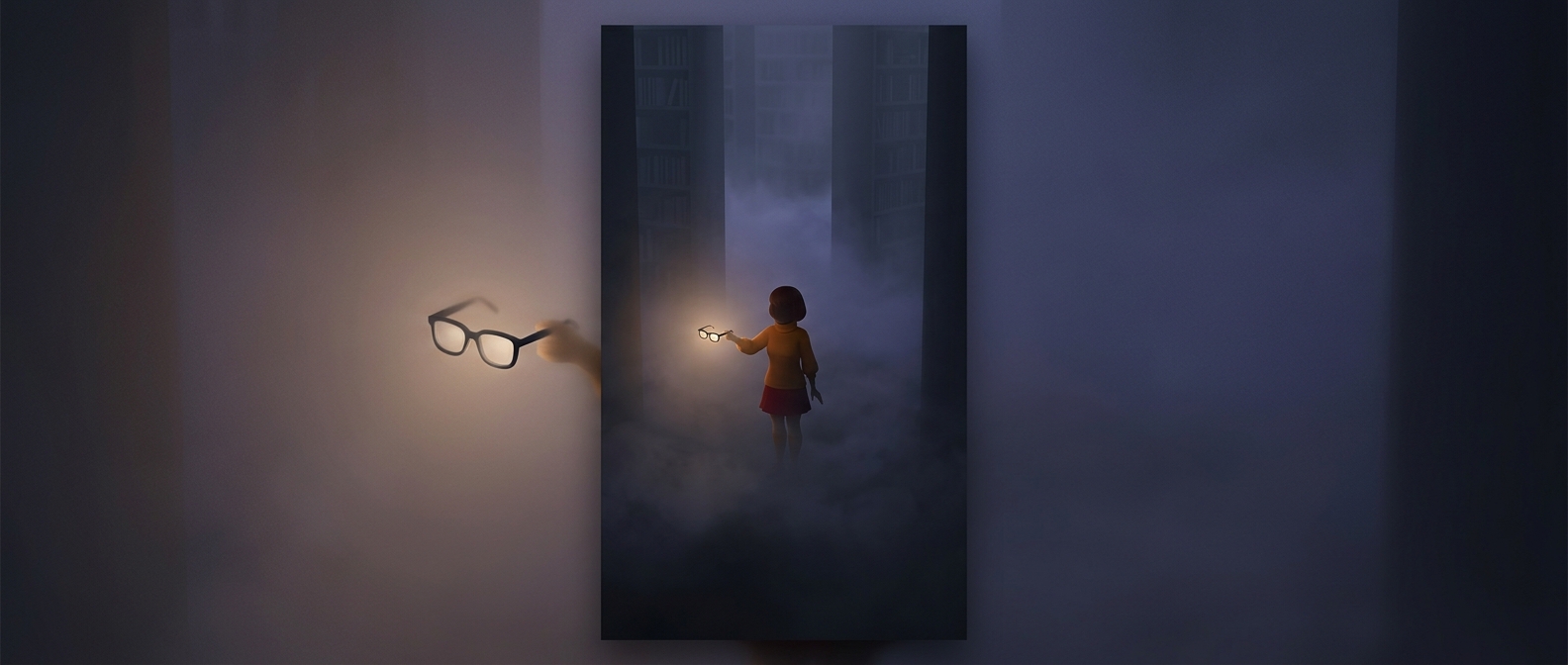
Velma’s glasses are more than part of her silhouette. They give the stories a simple way to interrupt her usual competence: the person who can follow clues and make sense of a mystery suddenly struggles with the immediate scene around her. That contrast turns a small mishap into a comic obstacle—and can briefly complicate the investigation.
The gag works because the audience understands the stakes at a glance. A dropped clue might be hard to spot; a fleeing suspect might become a blur. The problem needs no elaborate explanation, so the story can move quickly from chase to confusion and back again once Velma recovers her glasses.
Why the gag sticks
In real life, removing corrective glasses does not make everyone unable to see; the effect depends on a person’s vision. The show heightens the consequence for comedy, making the glasses an easy-to-read switch between Velma’s sharp, analytical role and a moment of physical helplessness.
That switch also makes her resourcefulness more visible. She is not suddenly less intelligent; she has lost the visual tool she depends on. The joke’s lasting appeal comes from that neat reversal: the detective who can solve the big mystery can still be stopped by something as small as a missing pair of glasses.