The pay-for-play bargain behind rock radio
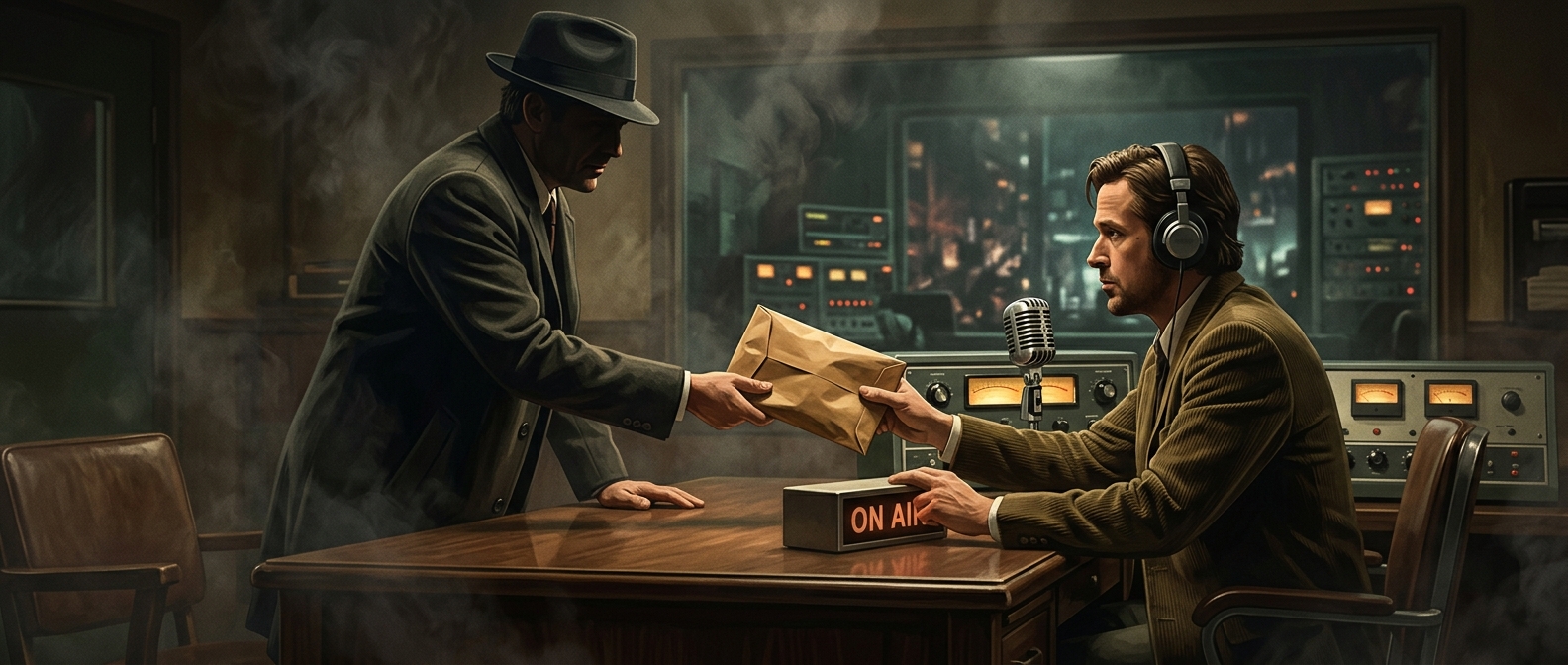
A new single faced a bottleneck in the late 1950s: listeners could hear it only if a station chose to play it. Record labels therefore had a powerful incentive to influence disc jockeys, whose on-air choices could turn an unfamiliar song into a hit. The practice, known as payola, meant money or other benefits were given in exchange for airplay without being disclosed to listeners.
The exchange could be difficult to spot. A label might pay a DJ directly, grant a DJ a songwriting credit that brought royalties, or provide perks such as vacations. A credit could look like ordinary creative participation even when its real value was access to the playlist. For labels, the cost was a way to promote a record; for DJs, it could mean income beyond a station’s salary. Listeners, meanwhile, heard what might seem like an independent musical choice without knowing it had been bought.
Why the scandal reached Congress
The arrangement blurred the line between a DJ’s taste and a label’s advertising. If a song was played because a company had paid for placement, listeners had no easy way to judge whether the record was genuinely popular or simply being pushed. That made payola more than a private deal: it raised questions about the credibility of radio and the fairness of competition among records.
Televised congressional hearings brought the practice into public view and made individual careers part of the story. Alan Freed, a prominent DJ associated with rock ’n’ roll, lost his career. Dick Clark also faced scrutiny but continued working. Their contrasting outcomes show that exposure did not affect every broadcaster in the same way, even as the hearings forced radio’s hidden commercial relationships into the open.