A library that needed its machine
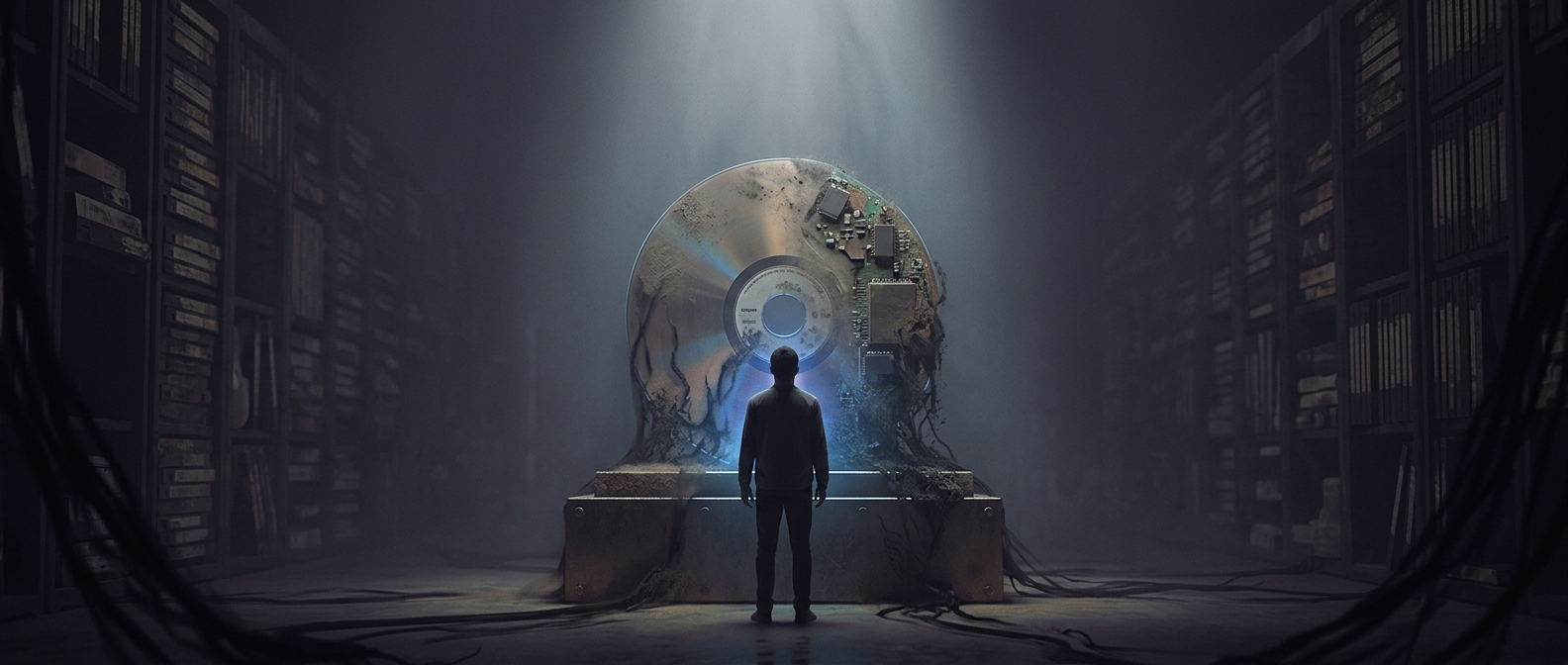
The BBC’s 1986 Domesday Project gathered photographs, maps, and written accounts of life across Britain, then packaged them as an interactive archive. A reader could explore the material by navigating maps and selecting places on screen. But the archive was not simply a set of pictures on a disc: it depended on LaserDiscs, a computer, and specialized software working together to make the contents usable.
That design made the project engaging for its time—and fragile over a much longer horizon. A LaserDisc can remain physically intact while its player, computer connections, or software become hard to find. Even when data survives, a future reader may not know how it was arranged or how to display it. The obstacle was not just a scratched disc; it was the disappearance of the system that explained the disc.
Why the older book endured
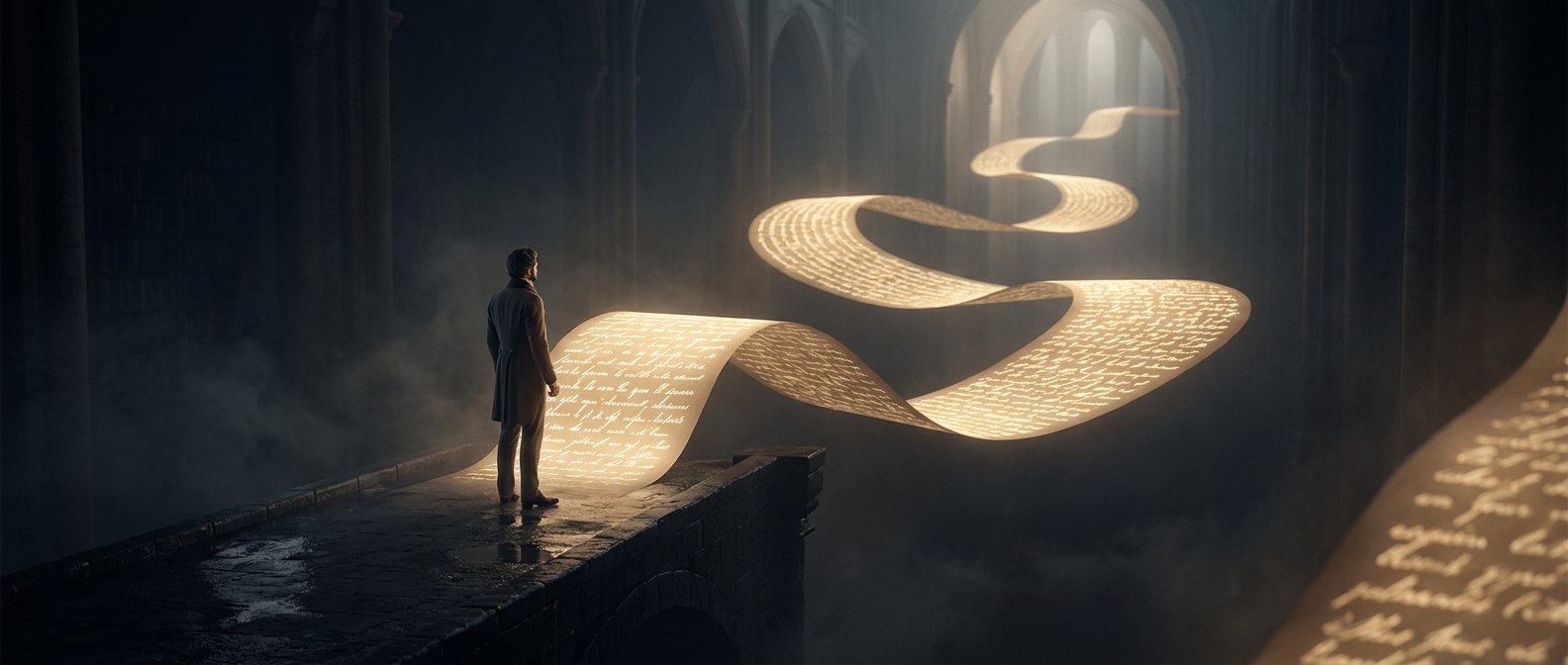
The medieval Domesday Book was made to be read directly: its writing is on pages, without a computer translating the marks. Its survival does not mean parchment is indestructible, but the basic way to access it is visible on the object itself. The BBC archive, by contrast, separated information from its interface. Its maps and images could be present yet practically out of reach without compatible equipment or painstaking technical recovery.
That difference is a warning about digital preservation. Saving a file is not always the same as saving a readable record; the instructions, formats, and tools needed to interpret it matter too. A thousand-year archive would need not only durable storage, but a way for people centuries later to discover what the data means and how to open it.