A beard that flips the familiar face
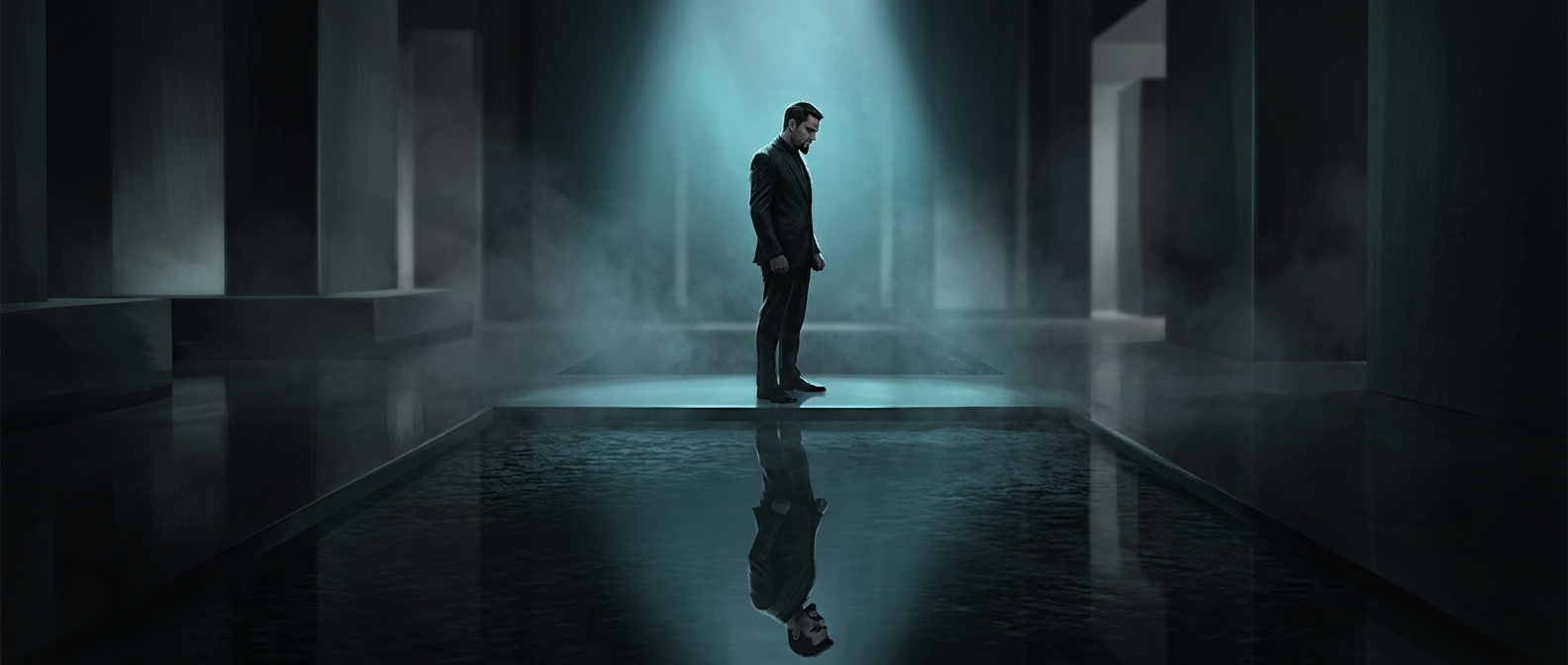
The evil twin’s goatee works because it changes very little while changing the character’s whole visual impression. The audience still recognizes the same actor and face, but a sharply outlined beard can make that face seem harder, more calculating, or less trustworthy. It is a quick visual cue—not evidence of anything about real people who wear goatees.
A famous version appeared on Leonard Nimoy’s alternate-universe Spock in the 1967 Star Trek episode “Mirror, Mirror.” The character’s familiar pointed ears and reserved manner remained, while the facial hair helped signal that this was a darker counterpart. The image became a durable joke and shorthand: add a goatee, and the good character seems to have crossed over to the wrong side.
A practical shortcut for a fast story
Television often has to distinguish two versions of one person in seconds. A conspicuous costume or grooming change lets viewers read the difference before the character explains it, while keeping the actor—and much of the character’s appearance—the same. A rougher hairstyle or rumpled clothes can reinforce the switch without requiring a long introduction.
That economy is useful in melodrama, where a sudden reveal matters more than subtle ambiguity. The visual code is so familiar that it can also be played for comedy: the audience spots the supposed villain before anyone on screen does. One small patch of facial hair can carry the whole story’s warning label.