Why a TV seat can be temporary
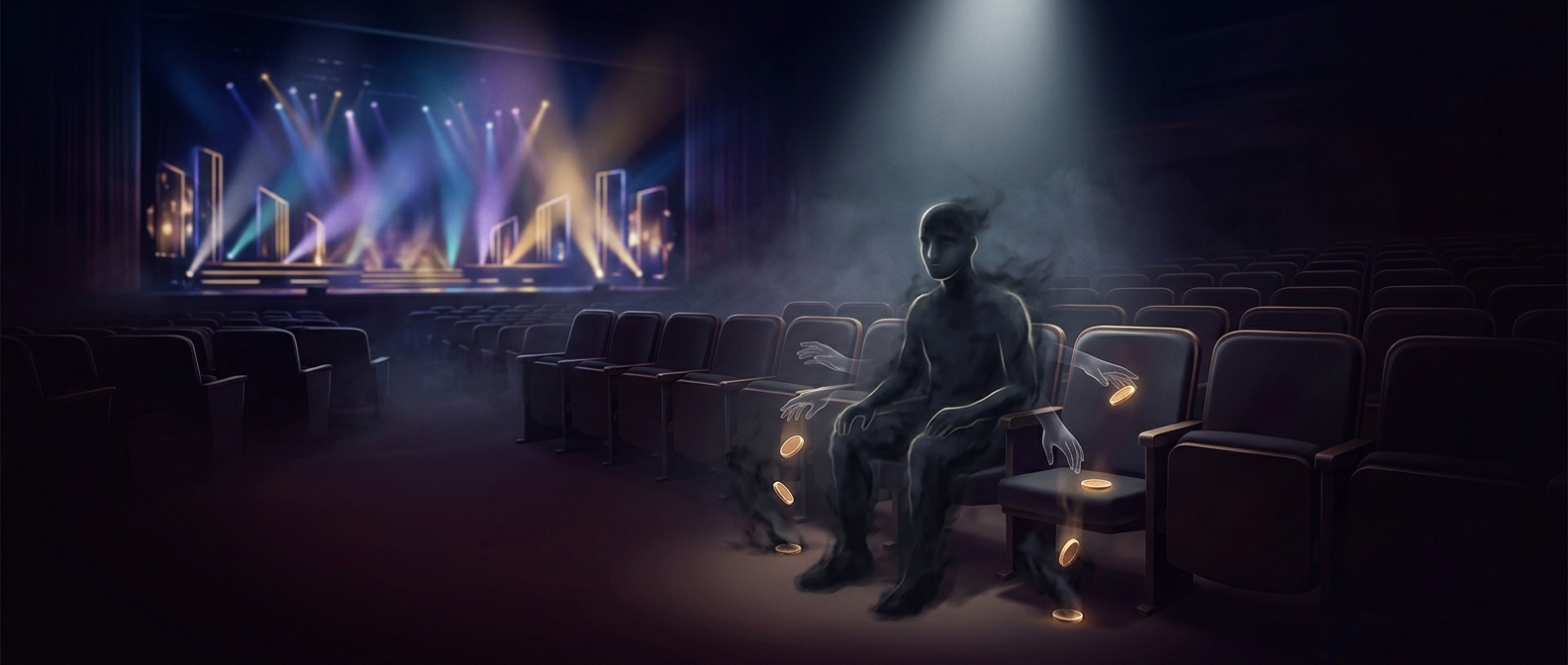
A studio audience is part of the picture, not just a group watching a show. Wide shots can reveal rows of seats, and a sparse patch may make a taping look less energetic than the room feels. When seats are empty, volunteers can help fill the visible gaps and contribute to the audience’s reactions.
The seating plan can change as people arrive. A ticket holder assigned to a particular seat may show up after a taping has begun, so someone placed there temporarily may be asked to move. That is why filling a seat does not necessarily mean keeping it for the whole recording.
The audience is also a production constraint
A television crew has to manage people and camera views at the same time. Producers may want the audience to appear lively, but they also need to honor assigned seating and keep movement from disrupting the recording. Volunteers offer a flexible way to make use of open seats while leaving room for ticket holders who arrive later.
From home, the audience can look like a fixed backdrop. In the studio, some seats are closer to props in a changing scene: useful in the frame for now, but available to someone else when the room fills in.