Why one snack can start another insulin response
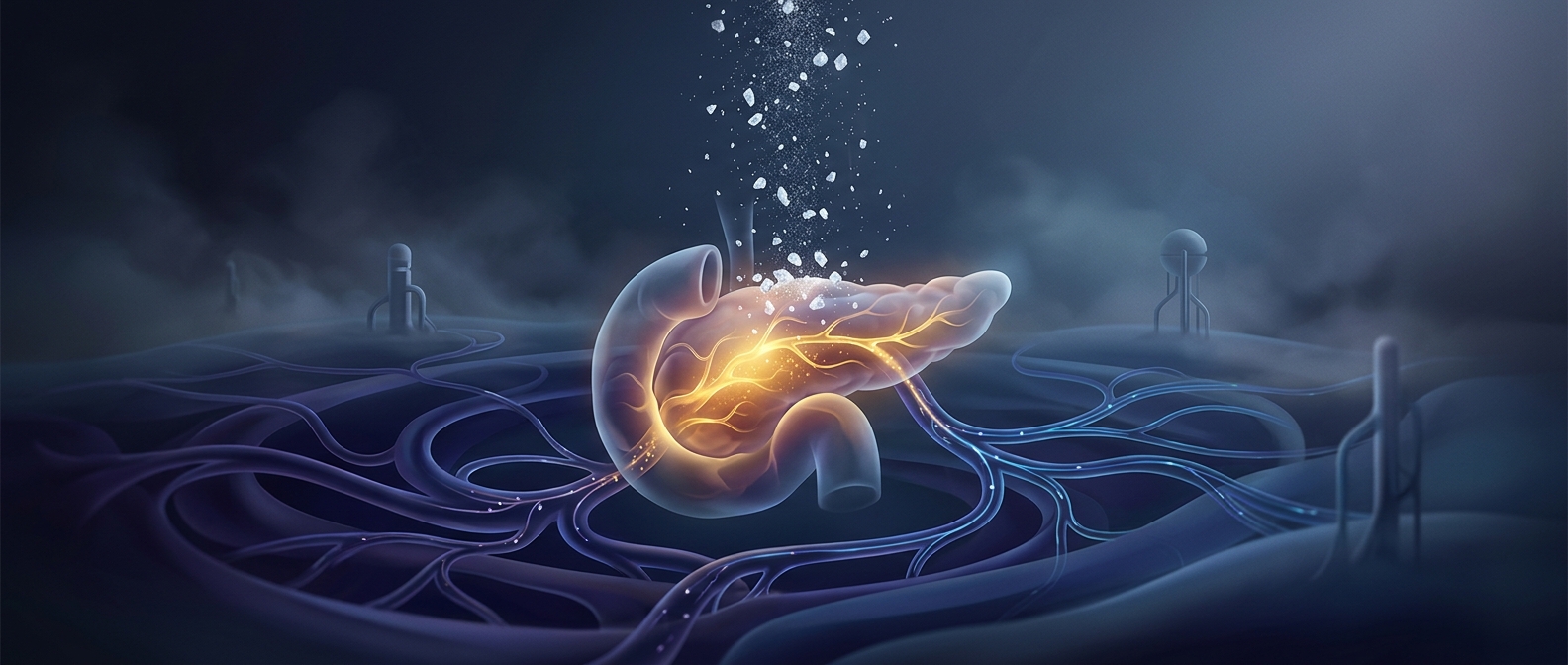
Insulin is released in pulses, not switched on once for the entire day. After food arrives in the gut, rising blood sugar is one signal to the pancreas; gut hormones and some amino acids from protein also help trigger release. Insulin then helps tissues take up or store nutrients, while the liver adjusts how much glucose it sends into the blood.
As digestion and absorption slow, the signals fade. The liver and other organs clear insulin from circulation, so its level can fall between eating occasions. The timing is not identical for every meal: a quickly digested, carbohydrate-rich snack may produce a brisk response, while a mixed meal containing fat, protein, and fiber is absorbed over a different span.
What frequent grazing changes
If another snack arrives while the previous meal is still being digested, it can add a fresh stimulus before the earlier response has fully subsided. Repeating that pattern may leave insulin elevated for more of the waking day than eating less often would. But it does not mean insulin remains at one high level or that the body is locked in a single “storage” state; levels rise and fall, and the body uses and stores fuel throughout the day.
The practical distinction is between a temporary meal-related rise and a persistently high level, which can have different causes and implications. Snack frequency alone cannot establish whether someone has a health problem: food composition, activity, individual metabolism, and conditions such as diabetes all matter. A snack is not inherently harmful; the useful insight is that each eating occasion can prompt the body to respond again, even when it is small.