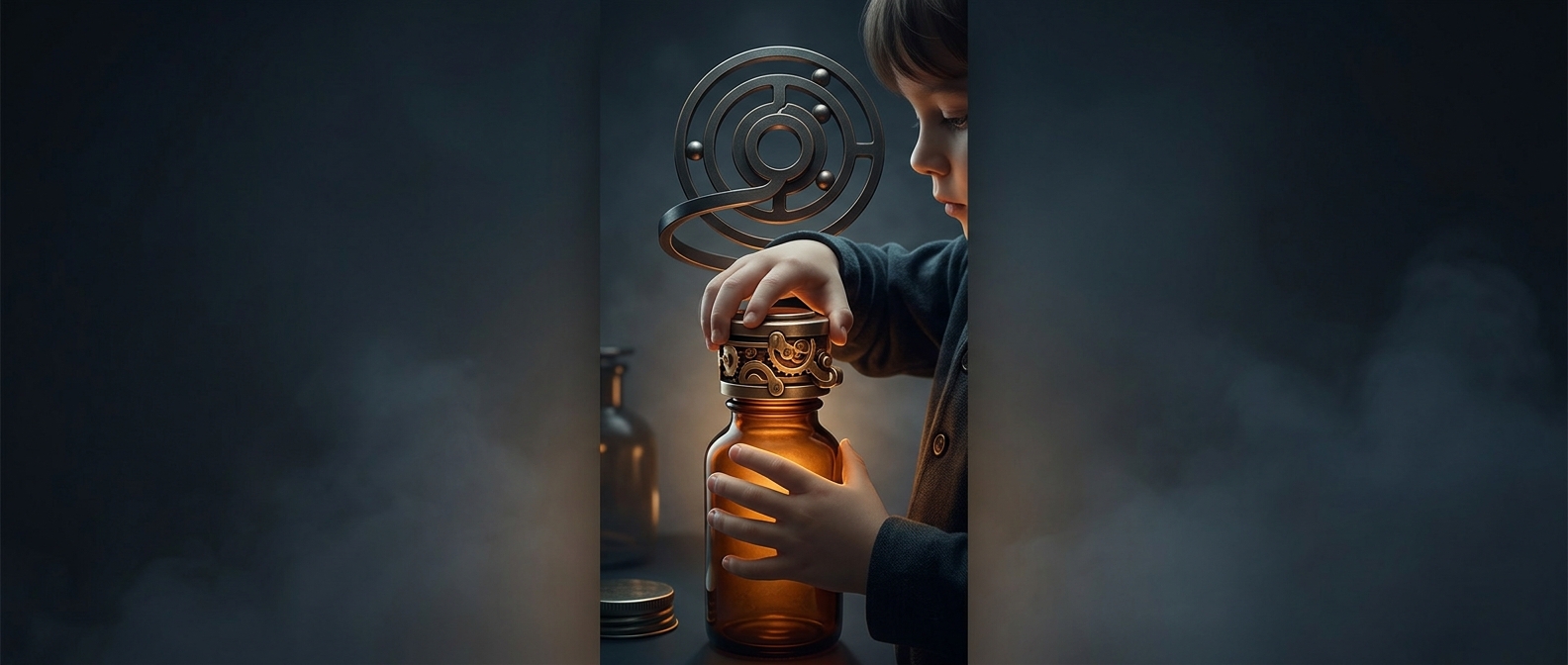
How Amber Glass Shields Light-Sensitive Medicine
Sunlight and some indoor lighting contain ultraviolet (UV) rays, which can trigger chemical changes in certain medicines. A drug’s active ingredients may break down when light supplies the energy for those reactions, making the medicine less stable. Amber glass absorbs much of the UV light before it reaches the liquid or tablets inside.
The Bottle Is Part of the Storage System
A medicine does not stop being vulnerable to light when it leaves the factory. It may sit in a pharmacy, travel home, or remain on a shelf for weeks or months. The bottle reduces that exposure throughout this ordinary handling, much as sunglasses filter light before it reaches the eyes.
Amber is useful because it filters UV while still allowing the contents to be seen. But it is not a guarantee against every kind of light or every cause of deterioration: heat, moisture, and air can also affect a medicine. That is why the bottle’s color works alongside other packaging and storage instructions, rather than replacing them.
Why the Instructions Still Matter
Not every medicine is equally sensitive to light, and an amber container does not make a drug impervious to it. Keep a medicine in its original packaging when directed, and follow its label for storage. The practical payoff is simple: the colored bottle helps limit one avoidable source of chemical change while the medicine waits to be used.