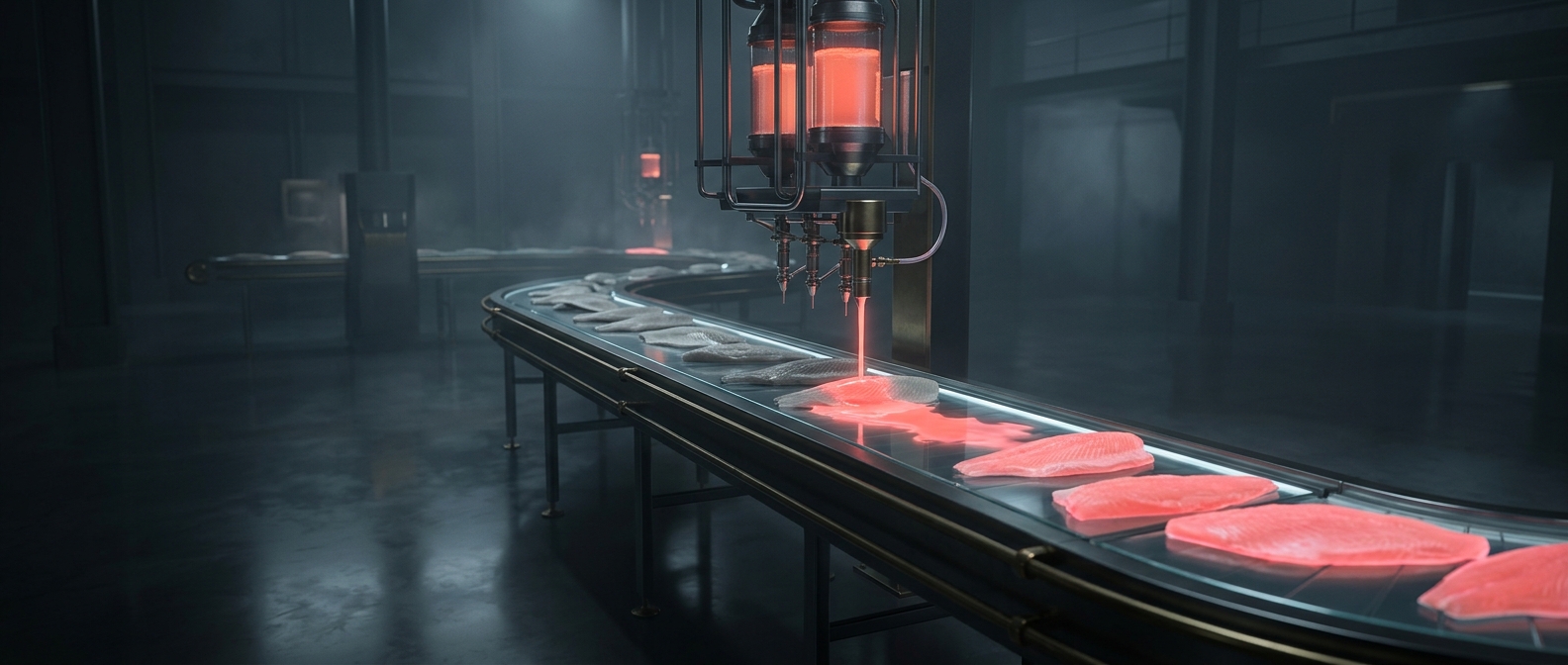
The aroma can leave with the air
Orange juice’s flavor is more than its sweetness and acidity. Much of what makes it smell unmistakably like orange comes from volatile compounds—aromatic molecules that readily move from liquid into the air. That is why the scent rises when juice is poured, and why removing gases from juice can carry some of those aromas away too.
Before storage, producers may remove oxygen to slow oxidation, a chemical reaction that can dull flavor and damage quality over time. The gas-removal step can also strip out some of the juice’s delicate orange aromas. The juice may remain safe and recognizably orange, but taste flatter than freshly squeezed juice.
Putting the orange character back
Producers can collect aromatic compounds during processing and use them later in flavor packs. Added after storage, those concentrated aromas help restore the smell and taste that were lost along the way. A flavor pack is not necessarily a generic orange flavoring; it can be made from orange-derived components, though its composition varies by product.
The sequence reflects a practical tradeoff: removing oxygen helps juice keep its quality during storage, while replacing lost aroma makes it taste more like orange juice again. The same processing step that helps preserve the drink can therefore create the need for a later flavor-restoring step.