How a family post becomes a lasting record
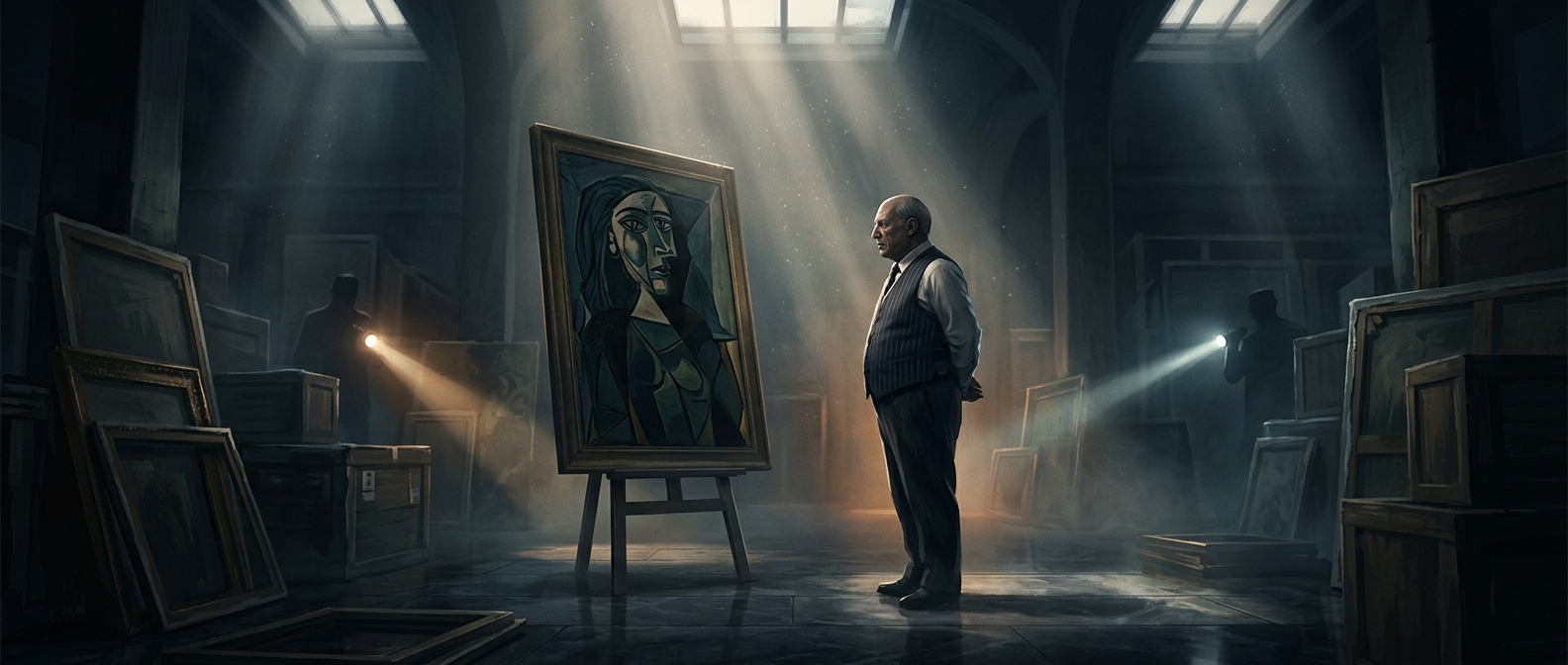
A photo shared with relatives can travel farther than its original audience. Friends may save it, forward it, or repost it; platforms may also keep copies after a post is deleted. A child’s digital footprint is not a single file in one place, but a trail of material that can be difficult to gather up or erase once it has spread.
The audience changes as the child grows
Parents usually post for the people they know now. Years later, the same image or story may be seen by classmates, teammates, or a future employer—and read without the family context that made it funny or harmless at the time. A story about potty training, for instance, can feel affectionate to an adult and humiliating to the child who has to live with it publicly.
That gap matters because young children cannot meaningfully choose what gets shared about them. As they grow, they may want more control over which parts of their lives are public, even when the original post was meant as a loving memory rather than a spectacle.
Small choices can preserve room to choose
Before posting, a parent can consider whether the child would likely be comfortable with the image or anecdote later, and whether the audience needs to see it at all. Sharing privately, limiting identifying details, or asking an older child first can reduce exposure. The practical consequence is simple: a family can keep the memory without making every intimate moment part of the child’s searchable public story.