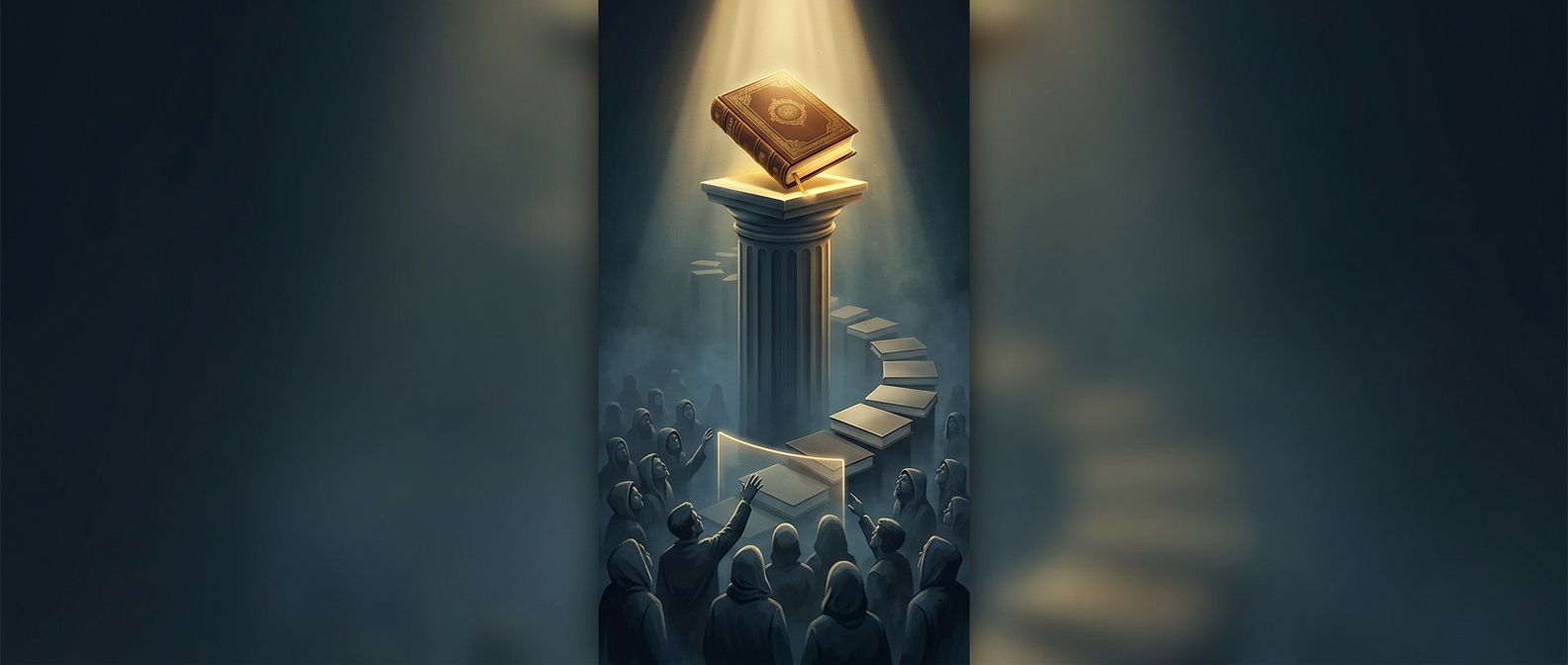
When a shared universe becomes a barrier
A superhero universe is not just a collection of characters; it is a running record of what has happened to them. A new story may assume that readers know who is dead, which friendships have broken, or how a past catastrophe changed the world. The longer that record grows, the more a first issue can feel like joining a conversation already in progress.
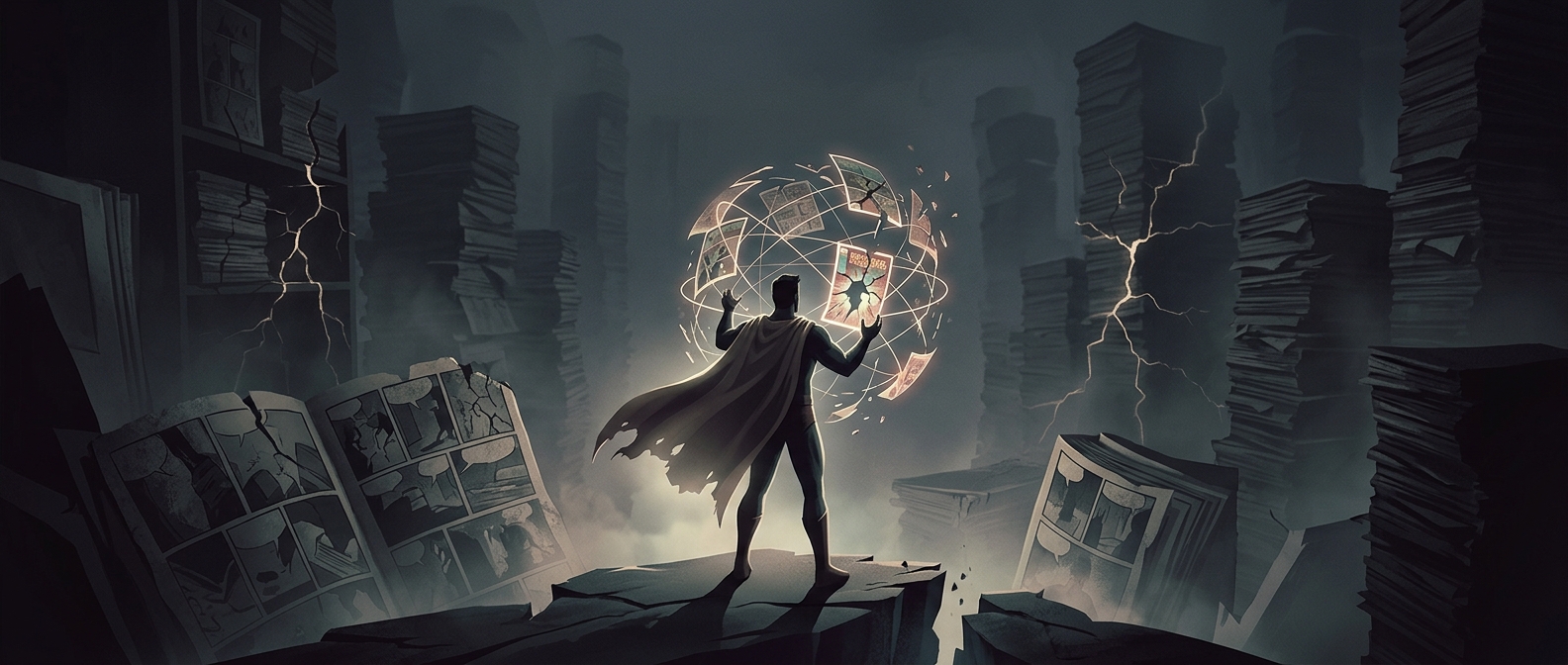
That is where the panic comes in. Publishers may worry that continuity—the web of events and relationships carried from one story to the next—is making the comics harder to enter. A reboot offers a dramatic solution: declare a new starting point, rebuild the timeline, and let writers introduce familiar heroes without accounting for every old plot thread.
A clean slate has a cost
The reset can make a character’s history easier to follow, but it also removes stories readers care about. Some relationships, transformations, and hard-won changes may be erased or rewritten. And because the characters themselves remain recognizable, the new universe still has to balance two demands: feeling fresh to newcomers while preserving enough of the old identity for longtime fans.
A reboot therefore does not make continuity disappear; it changes which history counts. The new beginning is clearest at the first issue, but every later story starts building another past that future readers may have to catch up on.