How a Page Turn Becomes a Pop-Up
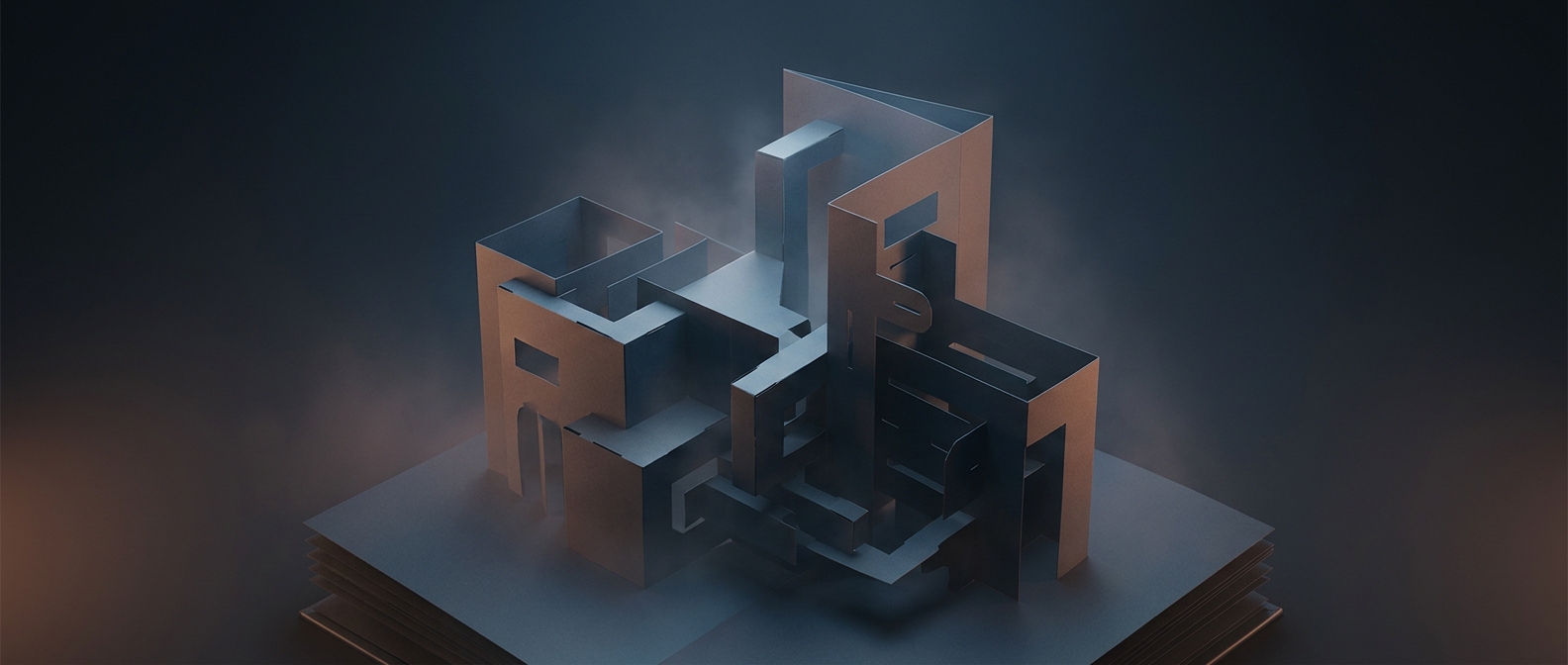
A pop-up figure does not usually contain a spring. Its motion comes from the changing angle between two pages. As the book opens, the pages pull apart; as they close, they press together. Paper pieces attached at carefully chosen points translate that movement into a figure rising, folding, or shifting.
A common mechanism is the V-fold: two folded panels meet at a crease and are attached to facing pages. Opening the book widens the V and lifts the shape; closing it flattens the V back between the pages. The position and angle of the attachments determine what the shape does and how far it can move.
Tabs, Slots, and Hidden Hinges
Other pieces guide or support the motion. A tab—a narrow strip of paper—may pass through a slot, keeping a moving part aligned as the pages open. A pivot point, where a piece is fixed or folds, acts like a hinge. Together, these features constrain the cardboard: they let it move along its intended path instead of sliding or twisting freely.
The engineering lies in the layout as much as the cutting. If a tab is too short, it may slip out; if a fold or glued anchor sits in the wrong place, the figure can buckle or resist closing. The finished mechanism must rise when the pages separate yet collapse into a thin stack without catching. That balance is why pop-up designs are often built and tested as small paper models before they become finished pages.
Why Delicate Designs Can Fail Quickly
A pop-up is designed to move through a limited range, not to withstand pulling in every direction. A child who grabs a figure while turning the page adds force at a point the designer may not have reinforced. That can tear a tab, split a fold, or pull a glued joint loose; once one connection fails, the other parts may no longer move in sync.
The same thin paper that lets a page fold flat also serves as the mechanism’s hinges and moving links. So a pop-up can look like a tiny sculpture, but it behaves more like a precisely arranged paper machine: open it by turning the pages, and its parts follow the path the folds and joints allow.