How a Map Can Make a Fantasy Book Feel Bigger
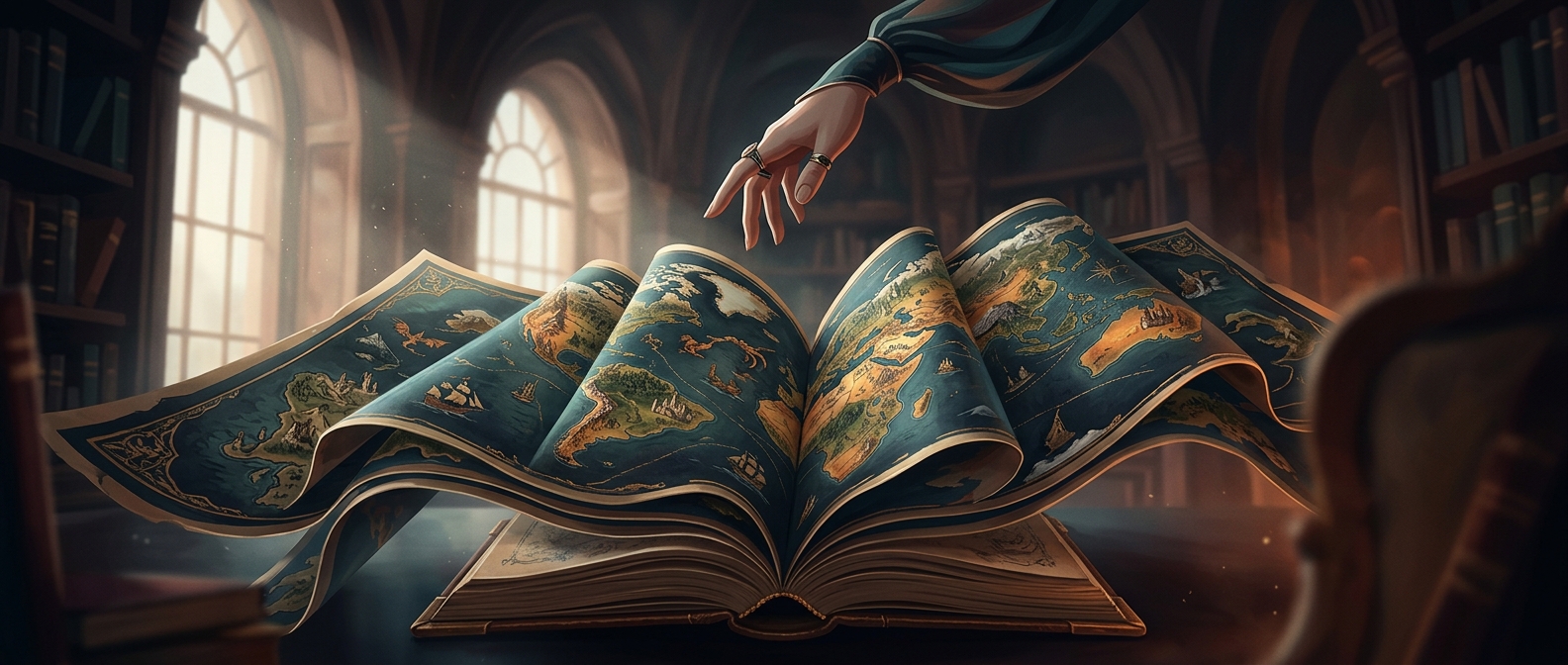
A map does more than show where the mountains and kingdoms sit. It gives a reader a quick sense that the story extends beyond the scenes on the page: borders imply rival powers, and roads suggest journeys that could happen later. But a map also occupies printed space. When a book is being shaped for a particular length or physical format, a page that adds atmosphere without adding plot can help make the finished volume feel more substantial.
That does not mean every map is inserted solely to inflate a book. A useful one can clarify travel, distance, or a contested border. The padding effect appears when the map promises a world the story does not meaningfully explore—or when its main contribution is to the book’s size rather than the reader’s understanding.
Politics Can Fill the Space Between Events
Once a story introduces a kingdom, it can spend pages explaining who rules, which families compete for influence, and why neighboring powers distrust one another. That information may establish the stakes behind a character’s choices. It can also slow the plot if the reader gets a long account of political arrangements before seeing them change anyone’s actions.
The two forms of extra material can reinforce each other: the map gives the kingdom visible boundaries, while the political explanation fills those boundaries with history and conflict. When both lead to consequential decisions, they deepen the story. When they remain largely background, they add weight to the book without moving its central events forward. A reader may finish knowing where every border lies—and still wonder why the story needed to stop there.