What paper releases as it ages
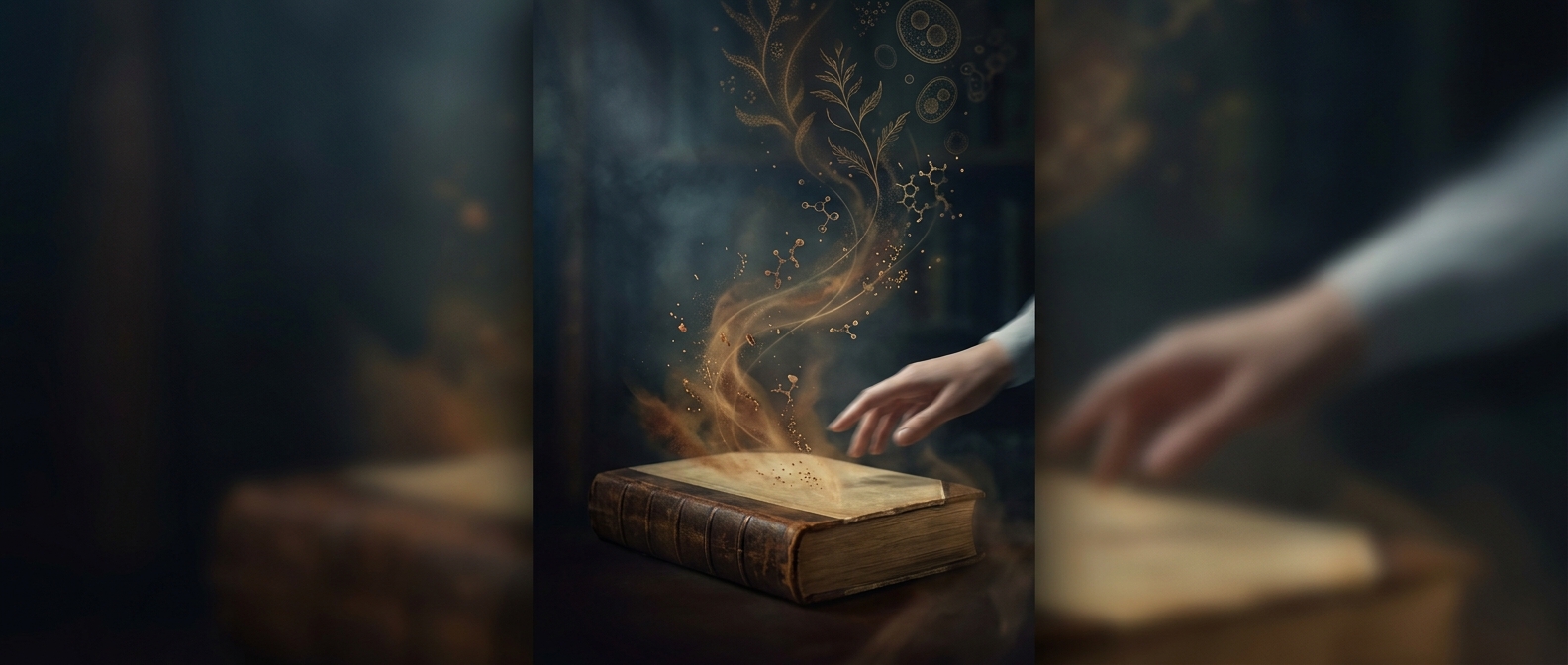
A book’s smell comes from a slow chemical change, not from one ingredient called “old-book scent.” Paper contains plant fibers, and many papers—especially those made from wood pulp—also retain lignin, the material that helps make wood rigid. Over time, oxygen, moisture, heat, and light can alter lignin and the paper’s cellulose fibers. These reactions produce small, airborne molecules called volatile compounds, which drift off the page and reach the nose.
Some of those molecules smell sweet or spicy; others can seem musty, sharp, or sour. Their mix is what gives aging paper its complicated scent. The vanilla-like note often associated with old books is linked to vanillin, one compound that can form as lignin breaks down, but it is only part of the smell.
Why no two shelves smell quite alike
The scent depends on the paper’s ingredients and on how it has been stored. Wood-pulp paper generally has more lignin than paper made from highly purified fibers, while warmth and dampness can speed chemical changes. Glue, ink, leather, and dust can add their own odors, too. That is why a dry, well-kept volume may smell faintly sweet, while a book stored in a damp place may smell predominantly musty.
The same chemistry that makes the scent recognizable also marks gradual material change: acidic paper can become brittle as it ages. A pleasant whiff is not a precise measure of a book’s condition, but it is a reminder that a library’s smell is partly the odor of its pages slowly transforming.