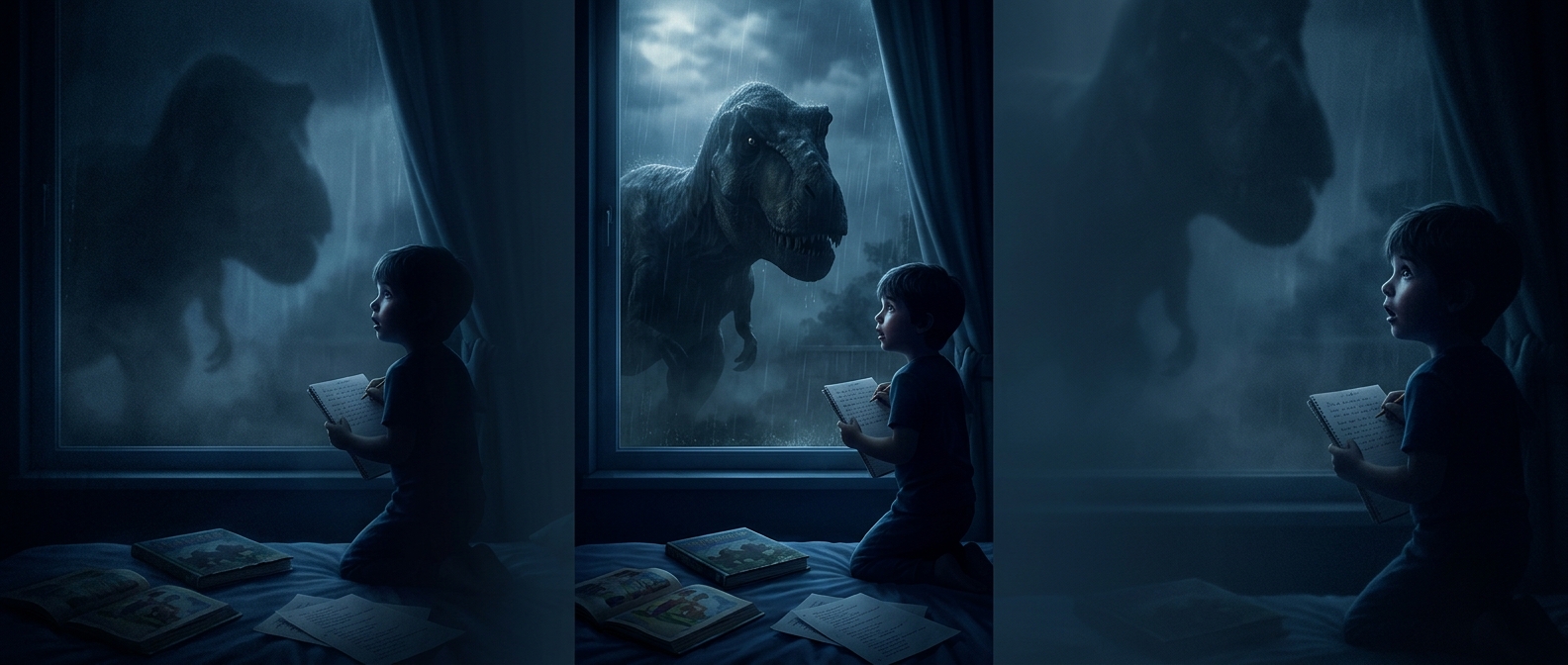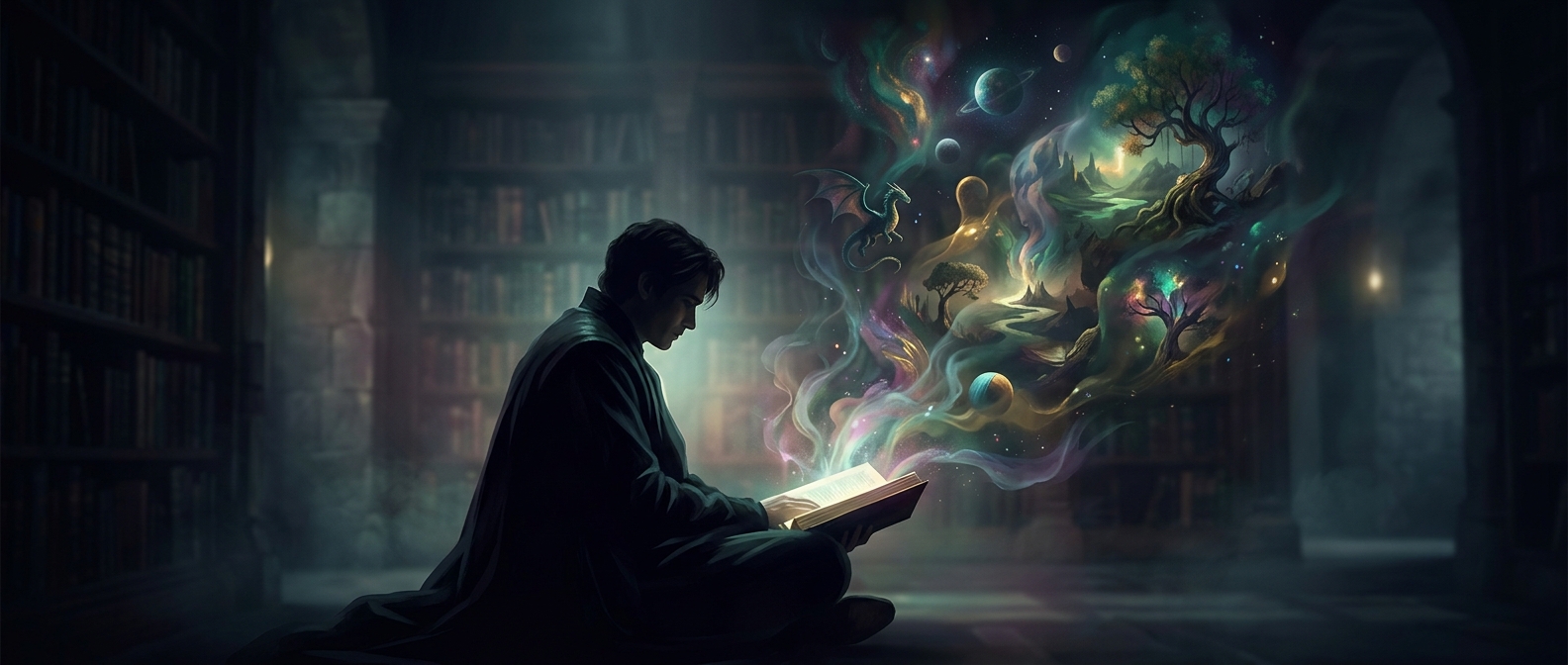
How a Few Words Become a Whole Room
A novel rarely describes every object in a scene. It may mention a narrow hallway, a sour smell, and a door left ajar, then move on. Those details act as cues: readers combine them with familiar patterns—what hallways tend to look like, how a neglected building might smell—to form a usable picture.
This is not a precise rendering of a place hidden inside the author’s words. It is a mental model assembled as the story unfolds. The reader can track where a character stands, what they can reach, and what seems threatening without deciding the wallpaper’s color or the shape of every chair.
What Readers Add—and What They Skip
Memory helps fill in likely details, but attention is selective. A reader may vividly imagine the door because the character hesitates before opening it, while barely picturing the hallway. Another reader may focus on the smell or the sound of footsteps. The prose guides attention, but it does not dictate every image.
That freedom has limits. If the story later says the door opens onto a staircase, readers may need to revise their mental map. If an unmentioned detail never affects the action, they may never settle on one at all. A scene can feel complete even when much of its appearance was never specified.
Why the Difference Matters
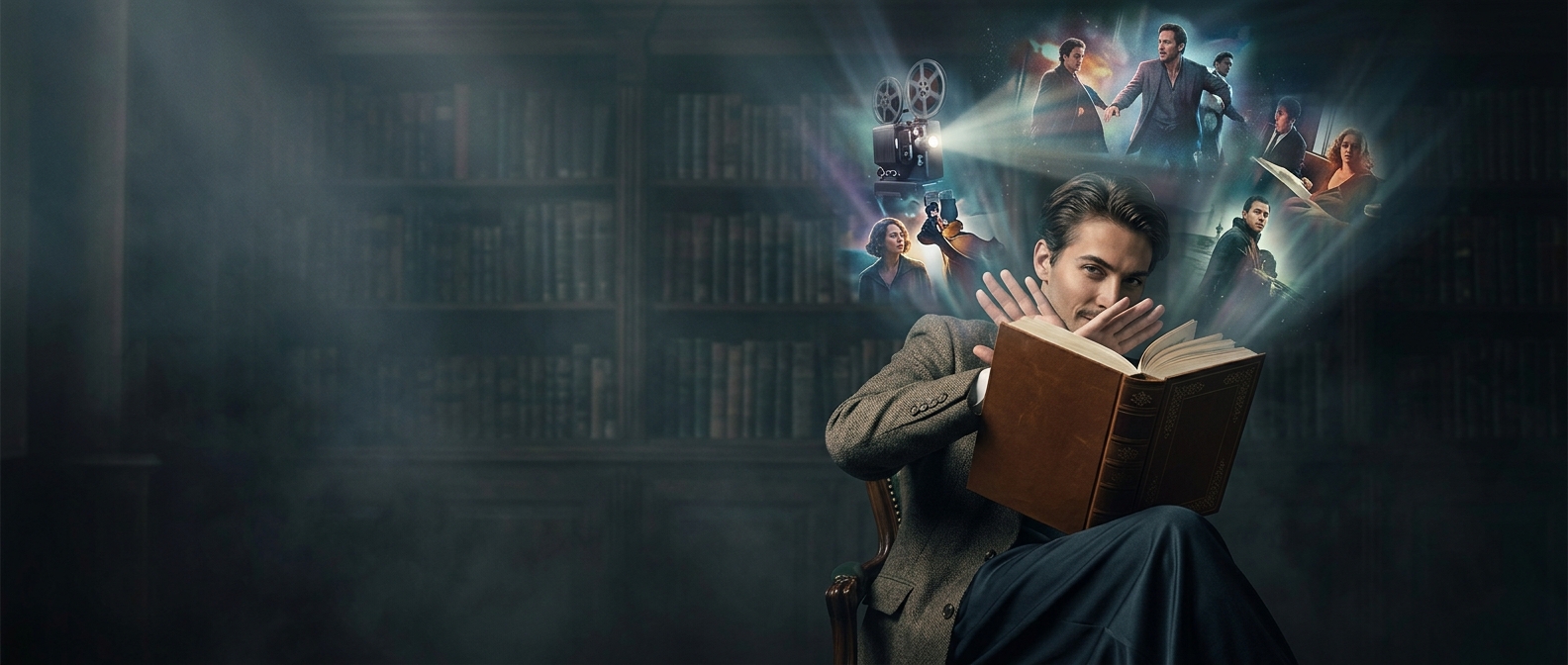
A film must choose visible details before the scene reaches the audience: a particular room, face, and arrangement of objects. A novel can leave those choices open while still directing the reader through action, mood, and a few telling observations. That makes reading an active process—not simply receiving a picture, but continually building and updating one.
So two readers can carry different rooms away from the same page, yet agree on what happened in them. The story’s essential structure is shared; the imagined furniture may not be.