Why a Small Omission Can Feel Like a Big Betrayal
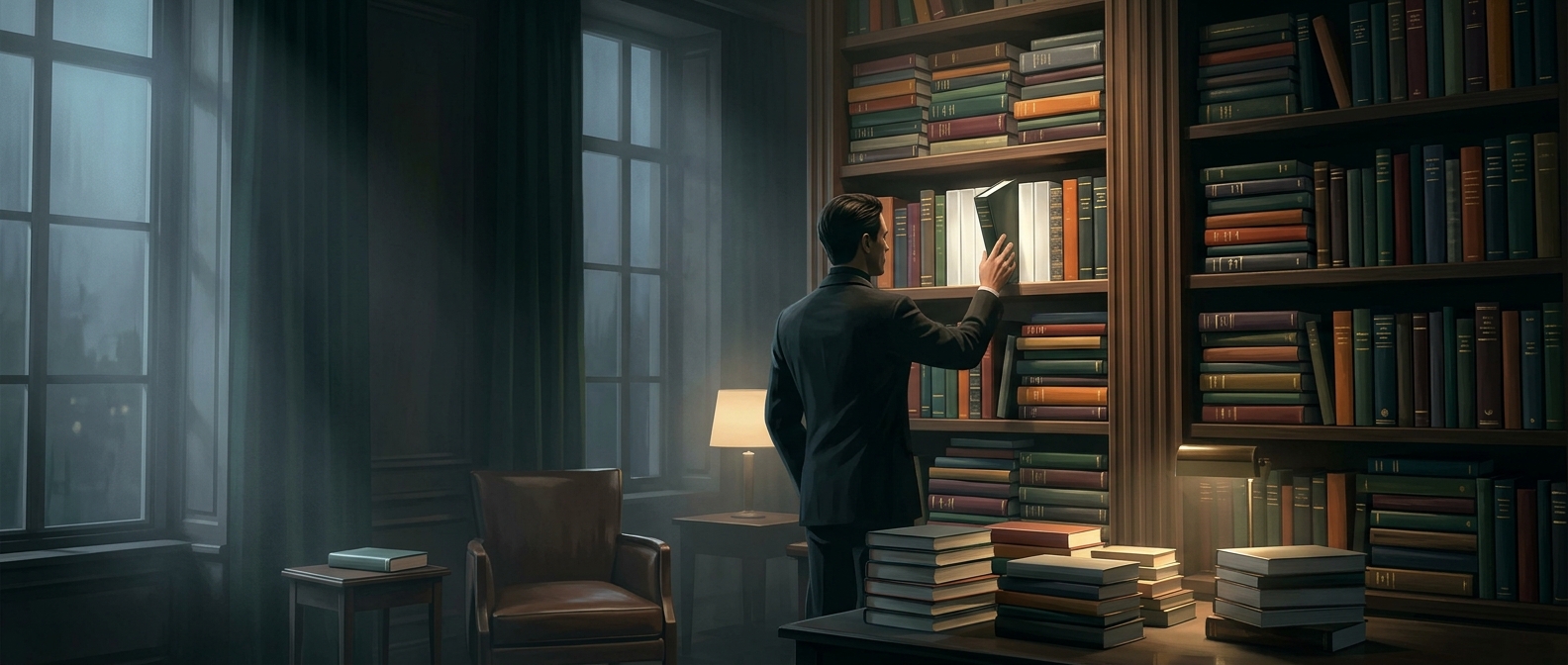
A novel gives readers room to build a private version of its world. A side character’s brief detour may seem minor on the page, yet it can shape how a reader understands a friendship, a place, or the protagonist’s choices. By the time the story reaches the screen, that subplot may have become part of the reader’s sense of what the book is—even if it occupies only a few pages.
An adaptation has to turn that open-ended experience into a fixed sequence of images and scenes. A film or limited series has a finite running time, and every subplot requires setup, screen time, and a payoff. Cutting one thread can preserve the main plot’s pace, but it can also remove a detail that mattered disproportionately to a particular reader.
Faithful Does Not Mean Identical
“Faithful” can mean keeping the central conflict, characters, and ending while changing or trimming the route between them. Screenwriters may combine characters, move events, or let a visual detail do the work that a paragraph once did. Those choices can make the story clearer on screen, but they also change what receives attention—and what viewers are invited to care about.
That difference is easy to miss when judging an adaptation. Readers compare the finished film not only with the book’s plot, but with their own remembered version of it. A scene they pictured vividly can feel wrong when the adaptation supplies a different image; a subplot they valued can feel essential once it is gone. The response is sincere, even when the omitted material was not essential to the story’s basic structure.
The Cost of Choosing
Adaptation is less a matter of copying every event than of deciding which effects must survive the change in medium. A cut can be efficient for viewers who need the story to move, while feeling like a loss to readers who found meaning in that very thread. That is why even a careful, broadly faithful version can prompt the same verdict: the screen story may work on its own, but it cannot reproduce every reader’s private book.