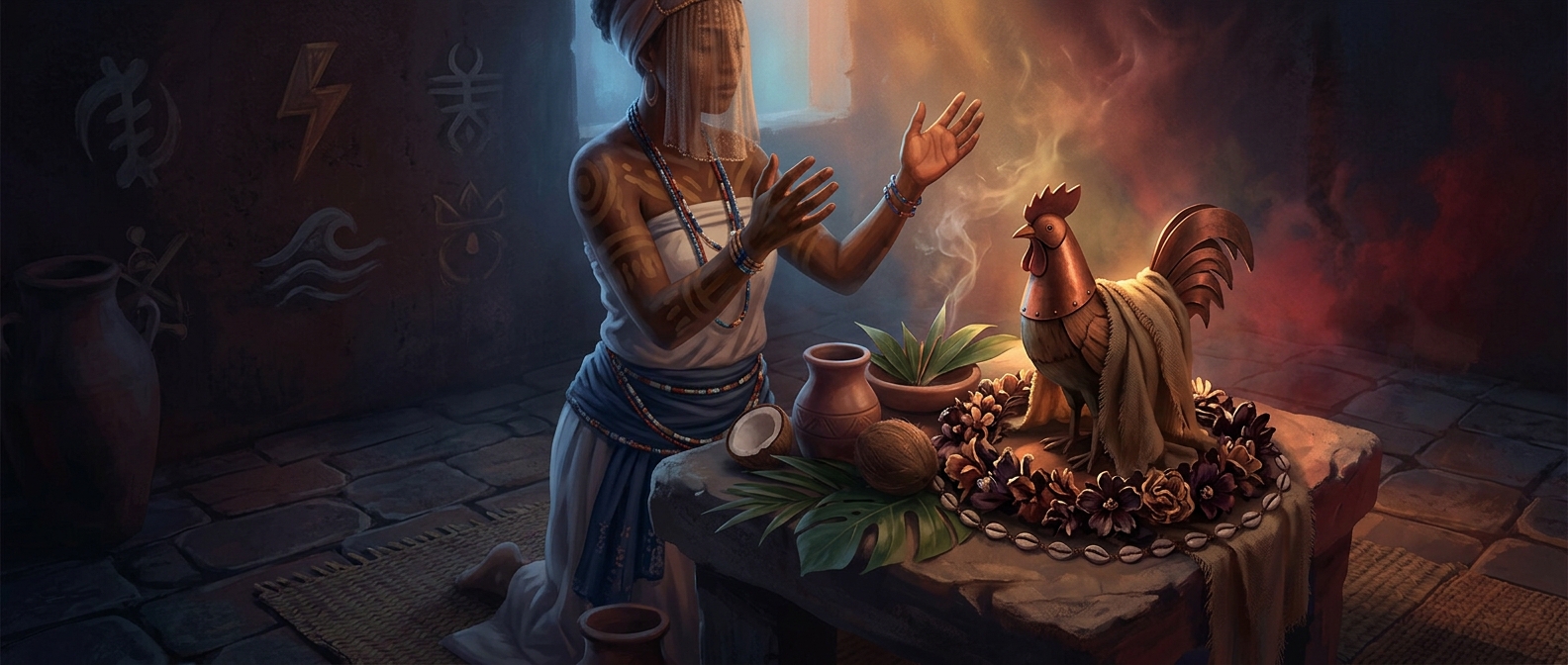
What “the ultimate martyr” means in numerology
In numerology, calling 33 a “martyr” is a symbolic description, not a prediction of literal suffering or death. It points to an ideal of service taken so far that a person may put other people’s needs ahead of their own. The number’s reputation as a “master number” gives that ideal extra weight within the numerological framework: it is treated as an especially demanding form of responsibility, not simply as a lucky sign.
The image can be appealing because it casts care as a calling. But its sharper implication is about limits. Helping someone can be generous; believing that goodness requires endless self-denial can leave a person exhausted or make their own needs seem undeserving of attention.
The tension inside the ideal
A useful way to read 33 is as a prompt to ask whether care is sustainable. Does support for others leave room for rest, choice, and reciprocal relationships? If not, sacrifice may have become an identity rather than a freely chosen act.
Numerology offers a symbolic lens for reflection, not a scientific measure of someone’s character or future. In that lens, 33’s most human lesson is not that a person must suffer for others, but that compassion loses its balance when the caregiver disappears from the picture.