A lake can be a presence, not a backdrop
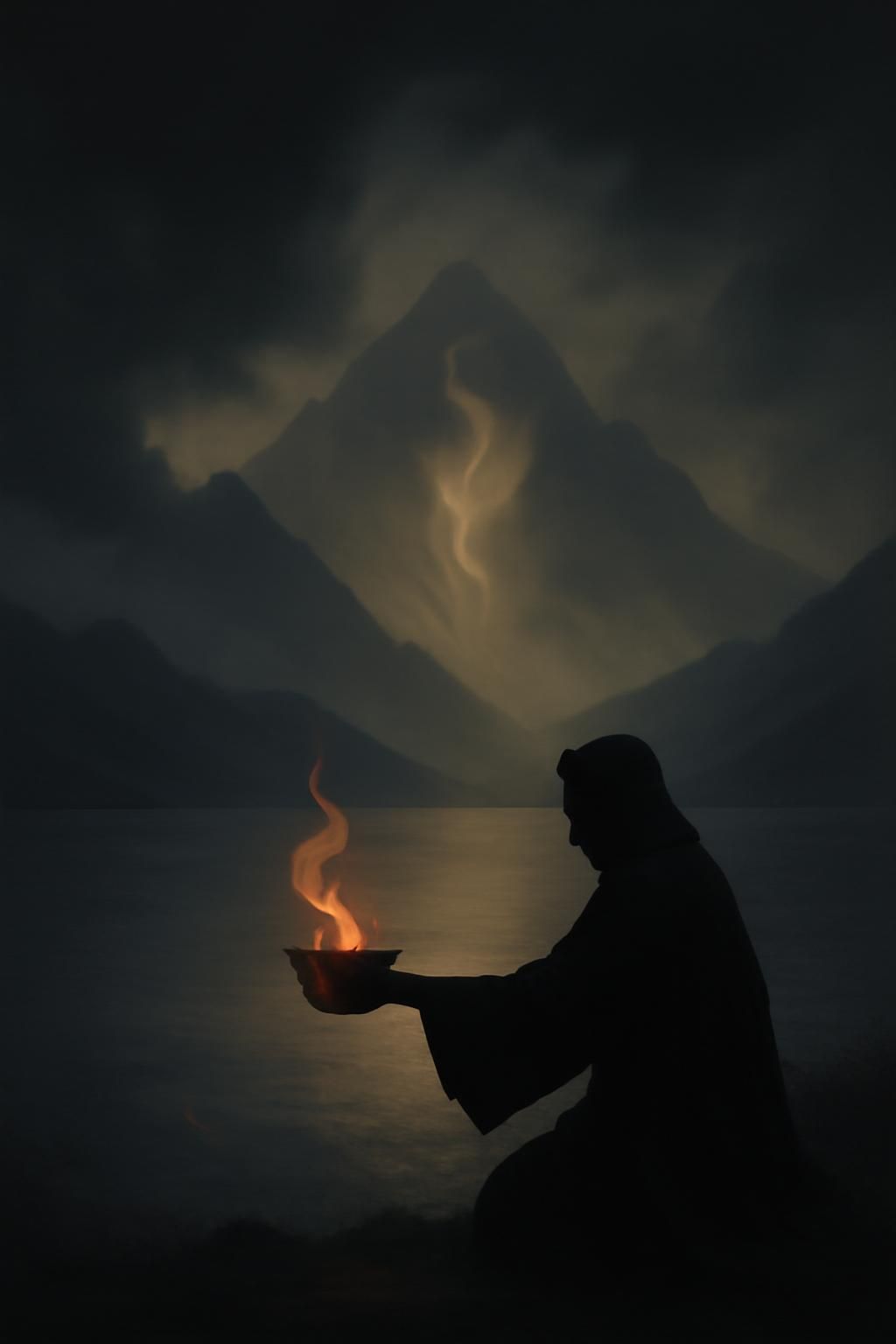
In parts of the Andes, a lake is understood not simply as water enclosed by mountains but as a powerful being within a living landscape. People may address local spirits associated with lakes and mountains as apu—a Quechua term commonly used for mountain spirits or protective powers. The precise beliefs and names vary from community to community; there is no single Andean ritual shared everywhere.
From this perspective, a lake’s danger is not just a practical hazard. Rough water, sudden weather, or a difficult crossing can also be understood as signs that a powerful place has not been approached with due care.
Offerings make the crossing a relationship
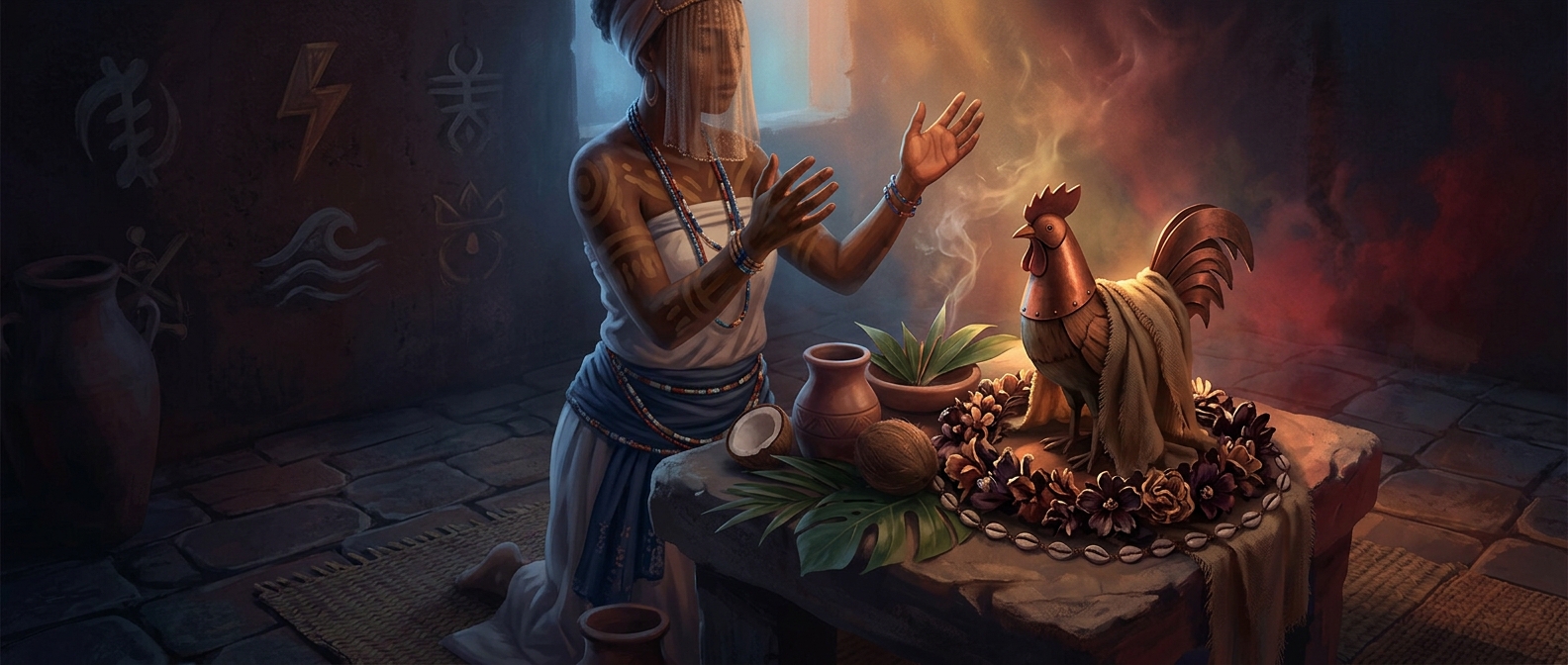
Coca leaves, chicha—a fermented drink often made from maize—and, in some accounts, blood could be offered to spirits. These were not merely tokens meant to decorate a journey. An offering acknowledged that people depended on forces beyond their control and sought a safe passage by giving something in return.
That exchange reflects a broader Andean idea of reciprocity: relationships with people, ancestors, and the landscape involve obligations as well as benefits. A traveler did not simply take a route through a place; the ritual recognized the place as an active part of the journey.
Respect had practical consequences
Treating a lake as temperamental gave uncertainty a social and spiritual meaning. It could encourage travelers to pause, make an offering, and approach a hazardous crossing with caution rather than assume the landscape was passive. The ritual did not guarantee safety in a modern, mechanical sense. Its significance lay in how it framed the risk: a crossing was an encounter with a power to be respected, not just scenery to pass through.