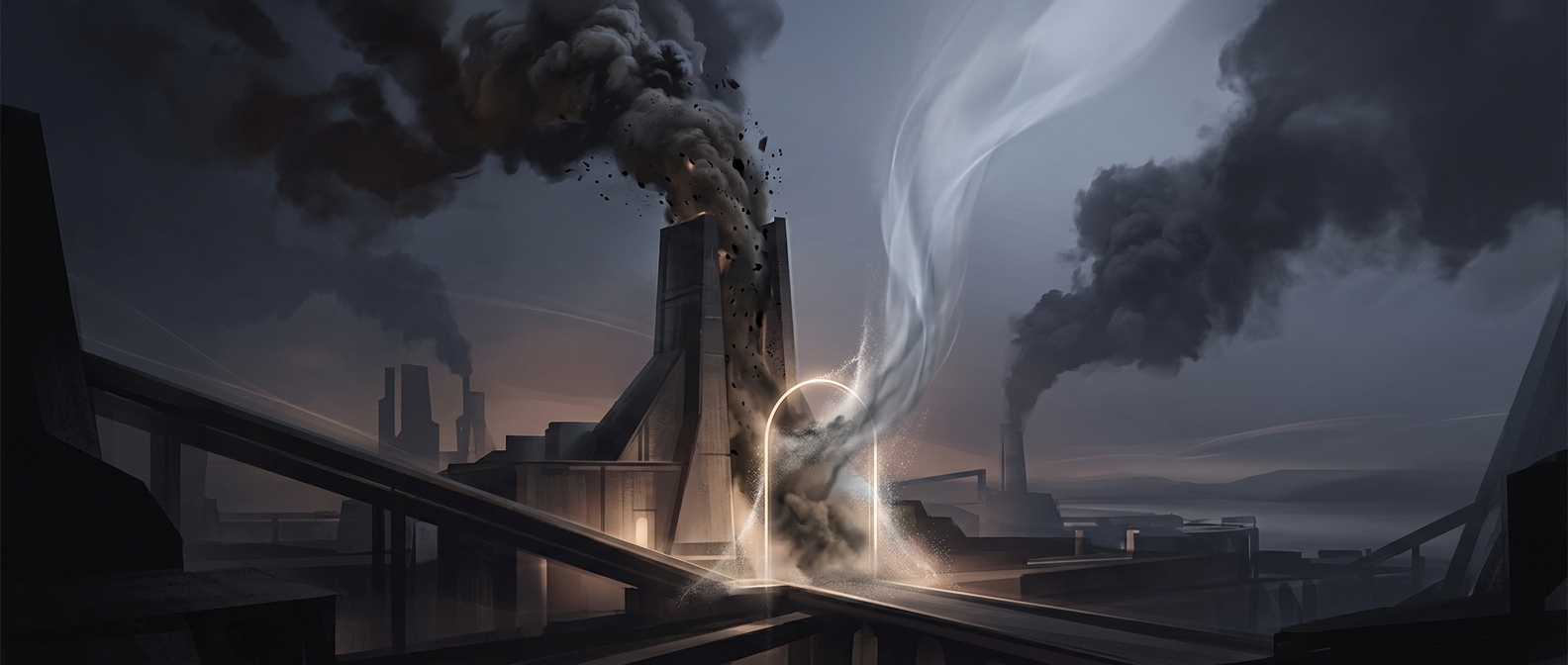
How a simulated grid can reveal a blackout’s first domino
An electrical grid is a network of generators, substations, transformers, and lines that must stay balanced: electricity supplied has to match electricity being used, and power must have a safe route from one place to another. When a line or piece of equipment fails, the system reroutes power around it. That rerouting can overload other equipment, creating a chain reaction known as a cascading failure.
A grid simulation lets engineers examine that chain without causing it in the physical network. They can model a fault—such as a damaged line, a sudden loss of generation, or a malicious change to a control system—and watch how power flows shift. The useful question is not only whether the first component fails, but which other components become vulnerable next.
A digital twin is a model, not a perfect ghost
A digital twin is a computer model kept useful by comparing it with information from real equipment and operating conditions. For a power grid, that information can help the model represent current loads, equipment status, and available generation. Engineers can then change conditions inside the model and compare possible outcomes.
But a simulation is not a flawless copy of every wire and device. Its results depend on what the model includes and how accurately it represents the grid. That makes the exercise valuable for exploring risks and testing response plans—not for predicting every detail of a future emergency with certainty.
Testing the response before the real event
Cyberattack scenarios are especially useful to model because the damage may begin with a change to the information or controls operators rely on. A simulation can help engineers ask what happens if a control signal is false, a component becomes unavailable, or operators lose visibility into part of the network. They can test whether safeguards isolate the problem or whether the disturbance spreads.
The practical payoff is preparation: engineers can identify weak points, rehearse alternative operating strategies, and improve recovery plans before a real fault occurs. In a live grid, one failed component may be manageable; the crucial discovery is whether the network has a safe route around it.