How Water Becomes Electricity
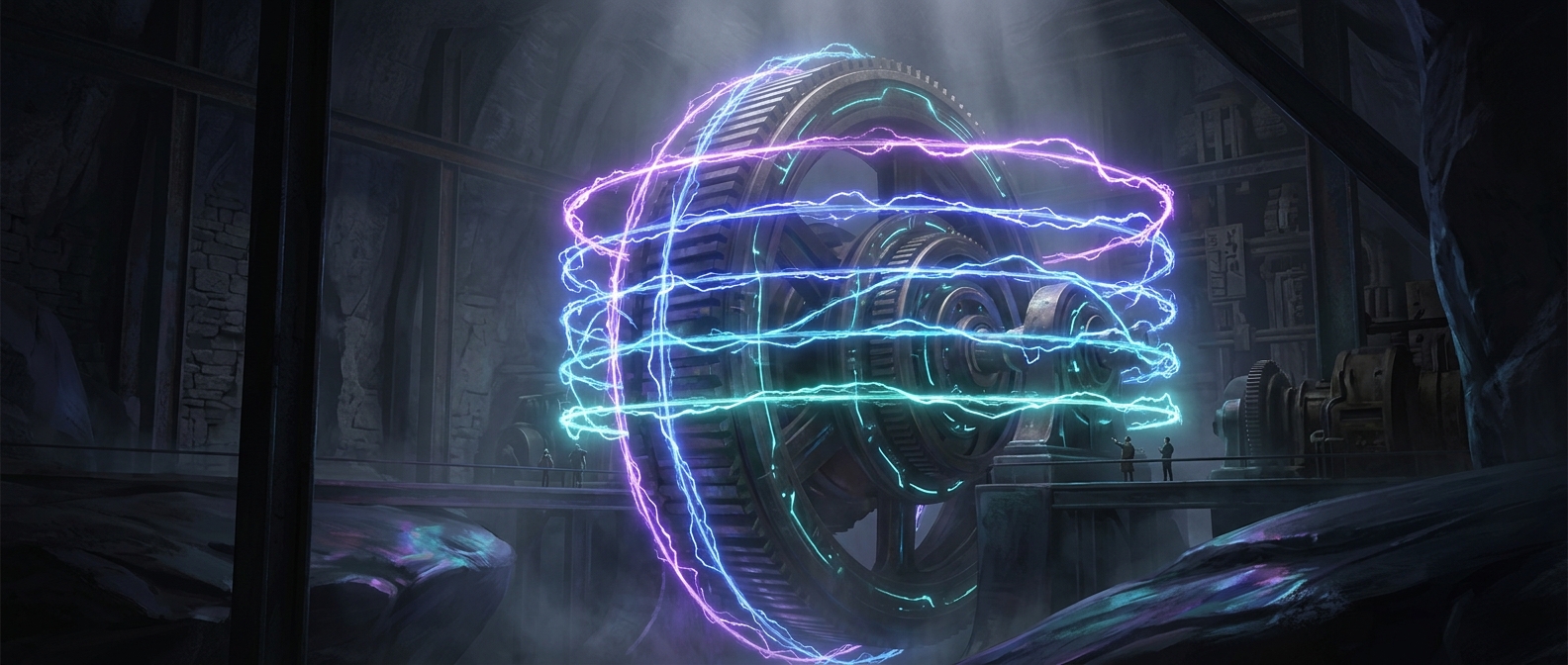
Water does not generate electricity merely by passing a wheel. As it drops from the reservoir through a penstock, gravity gives it energy; the pipe directs that moving water onto the turbine’s blades. The spinning turbine turns a shaft connected to a generator.
Inside the generator, the shaft rotates magnets near coils of wire. That changing magnetic field pushes electric charges through the wire, producing electricity. In this way, the dam converts the water’s stored height into motion, then into electrical energy.
Why the Generator Can Follow Demand
Operators can adjust how much water flows through the turbine, changing how quickly it spins and how much power the plant produces. Opening the flow further can increase generation, while reducing it can conserve water in the reservoir. The water then continues downstream, but its energy has been partly transferred to the turbine.
That controllability is a practical advantage: a hydroelectric plant can change output as electricity needs shift, while the reservoir serves as stored energy waiting behind the dam.