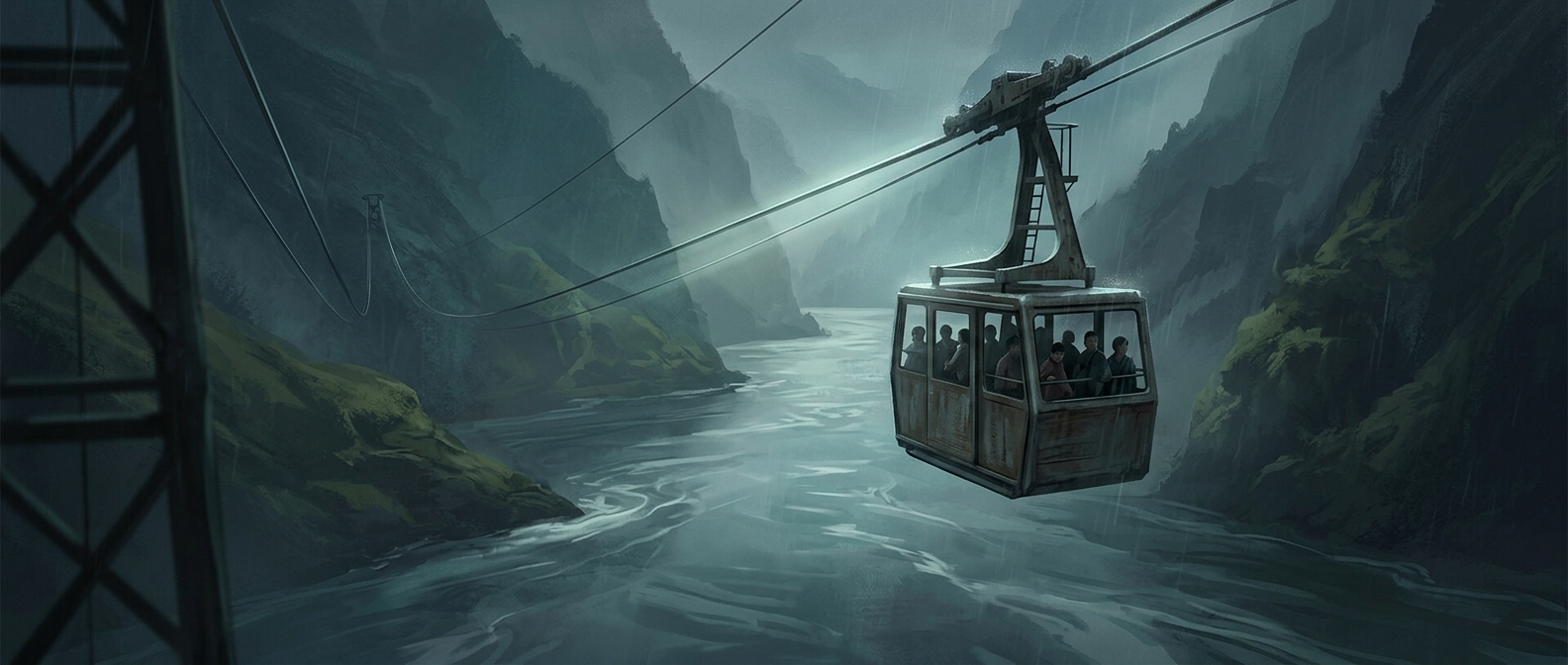
How a cable car turns a route into a transit lane
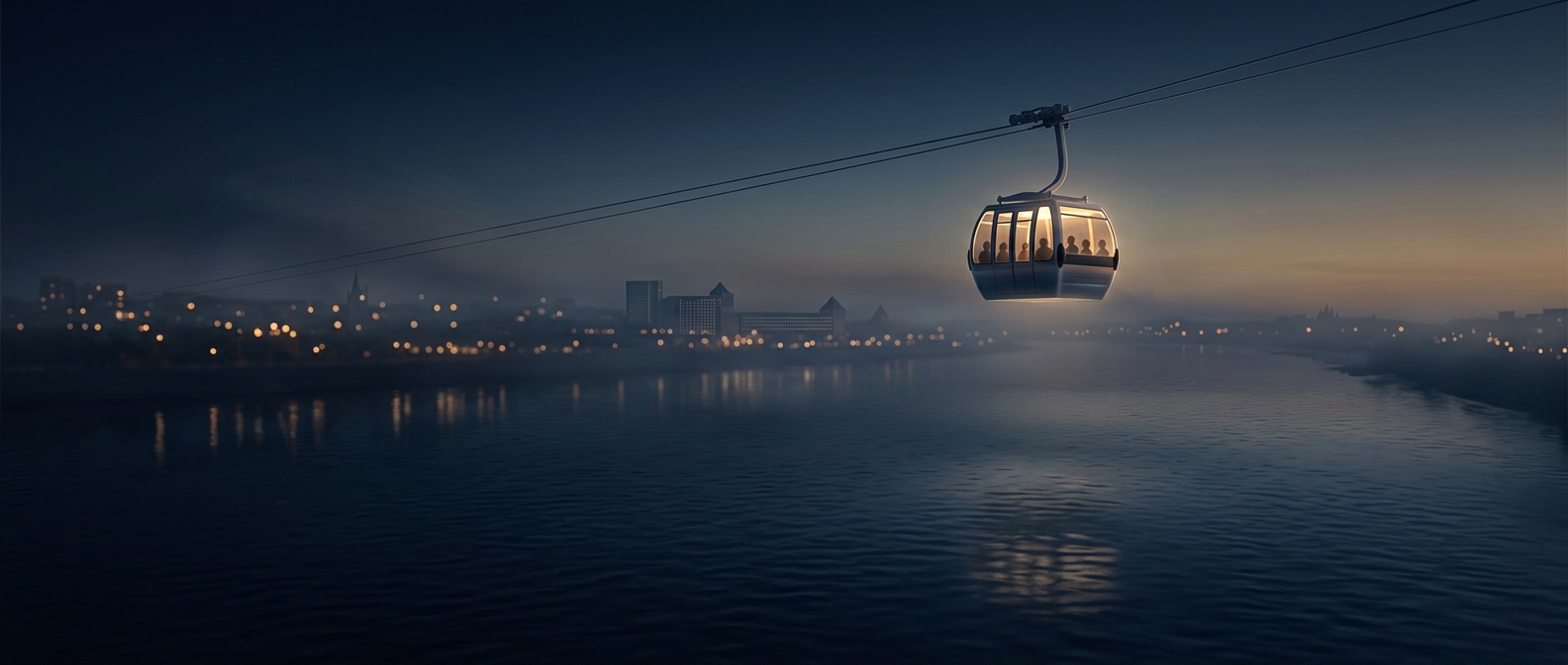
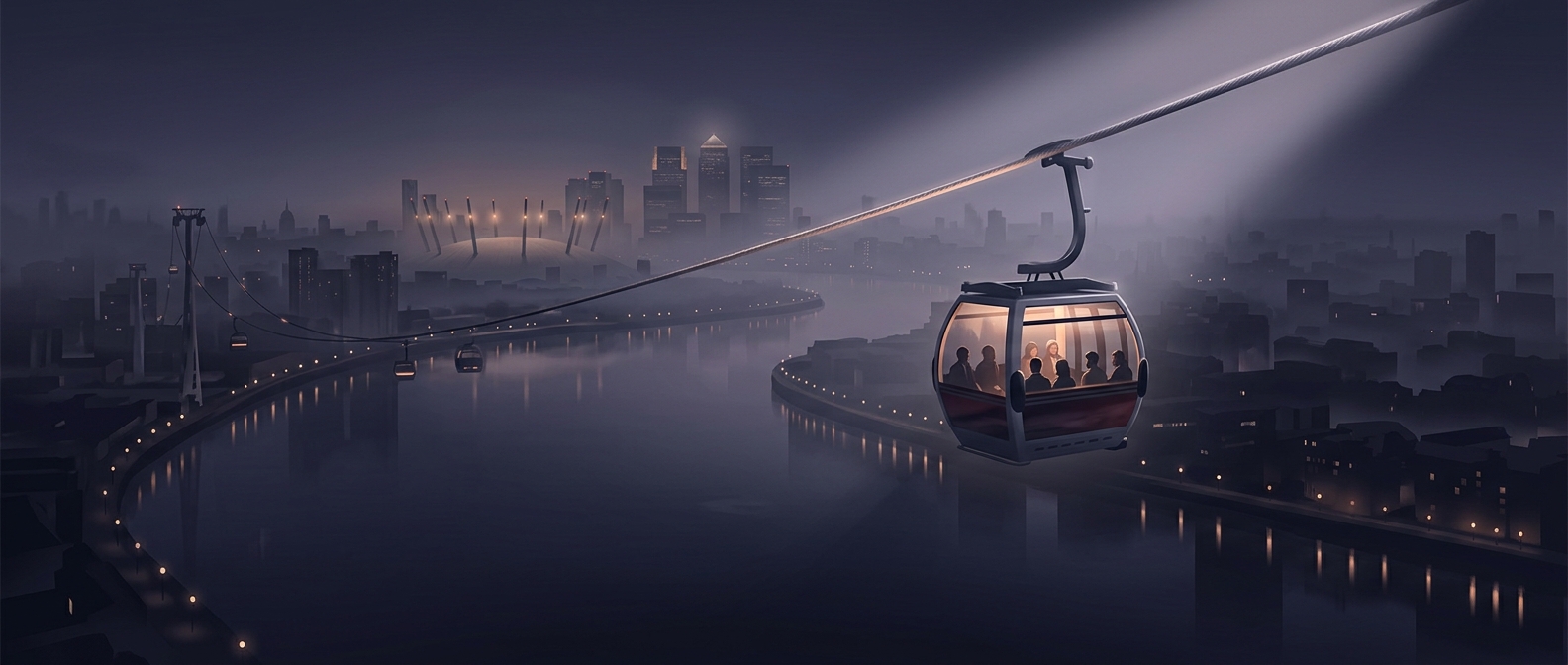
A gondola line moves cabins along a cable pulled by machinery at a station. Because the cabins travel above roads, their route does not cross traffic lights or compete with cars for street space. That separation is the key advantage: a road can slow to a crawl while the cable continues moving passengers along its fixed path.
Unlike a bus, a gondola does not need to pull over at every stop. Stations are built into the line, letting riders board and leave at designated points while cabins keep circulating. The system works best as a link between places the route can serve directly—not as a door-to-door trip.
The benefit depends on what riders replace
A cabin carrying commuters is most useful to traffic when those passengers would otherwise have traveled by car. If the line connects to other transit or to destinations people need to reach, it can make leaving the car behind more practical. Its effect is not simply that people are high above the congestion; it is that some trips no longer add vehicles to the streets below.
The tradeoff is a narrow, fixed corridor. Gondolas cannot detour around a disruption or serve every neighborhood, and their usefulness depends on station access and the number of people they can carry. The sky lane relieves pressure only where it offers a workable alternative to a road trip—but along that corridor, traffic lights and queues no longer dictate the pace of the ride.