A crossing shaped by Chongqing’s terrain
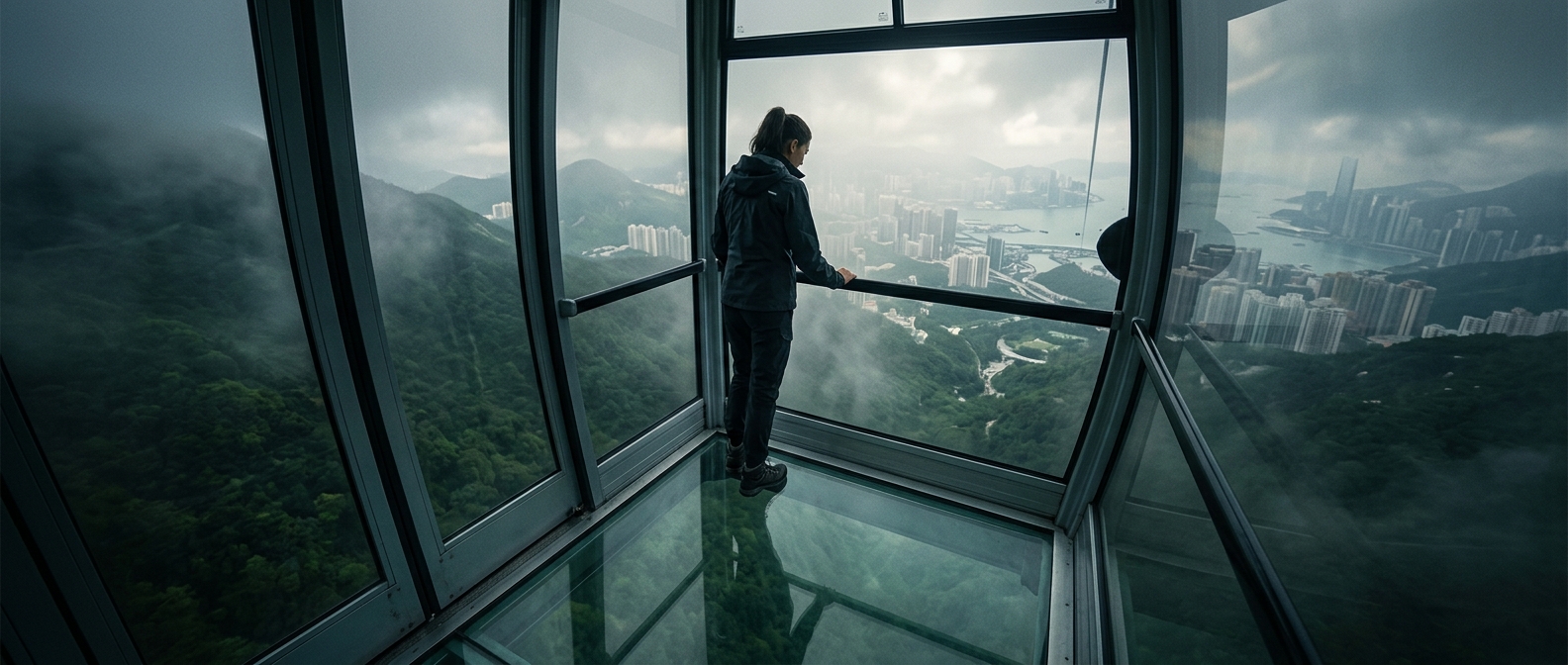
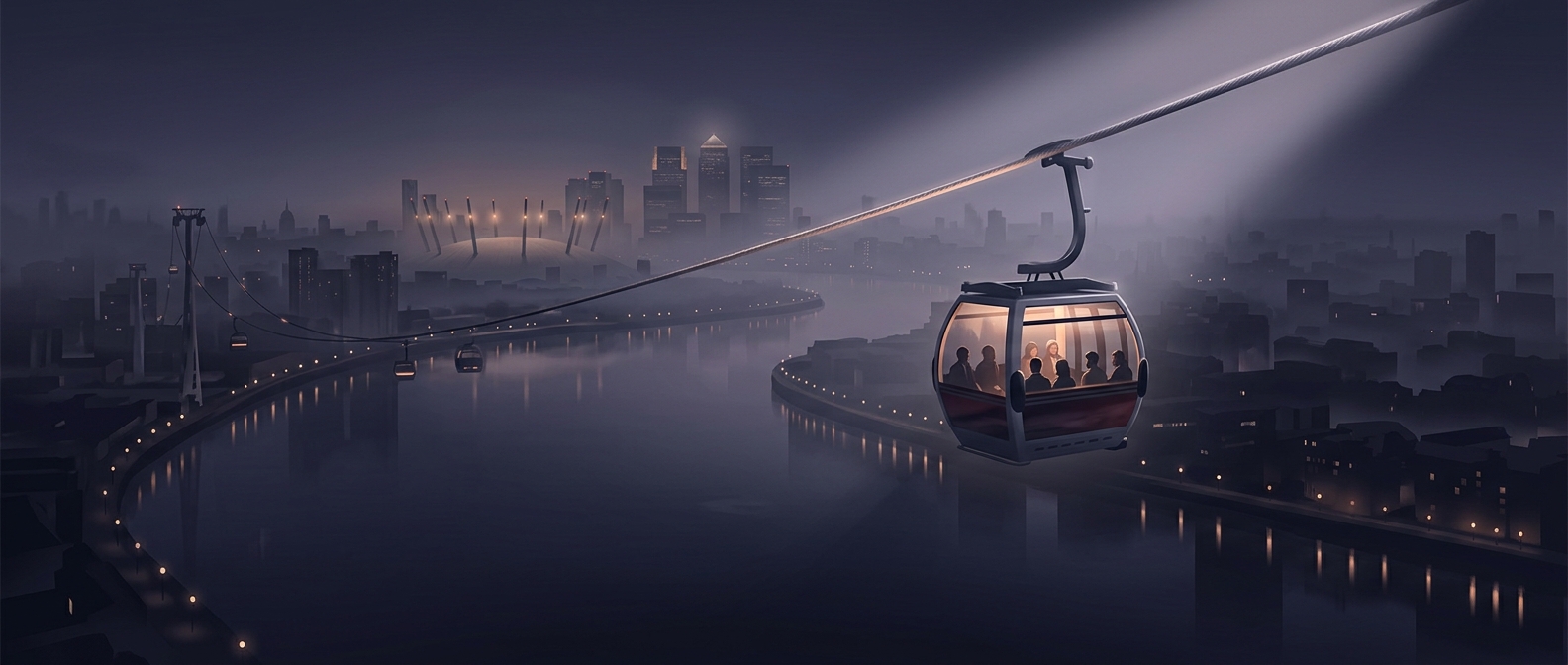
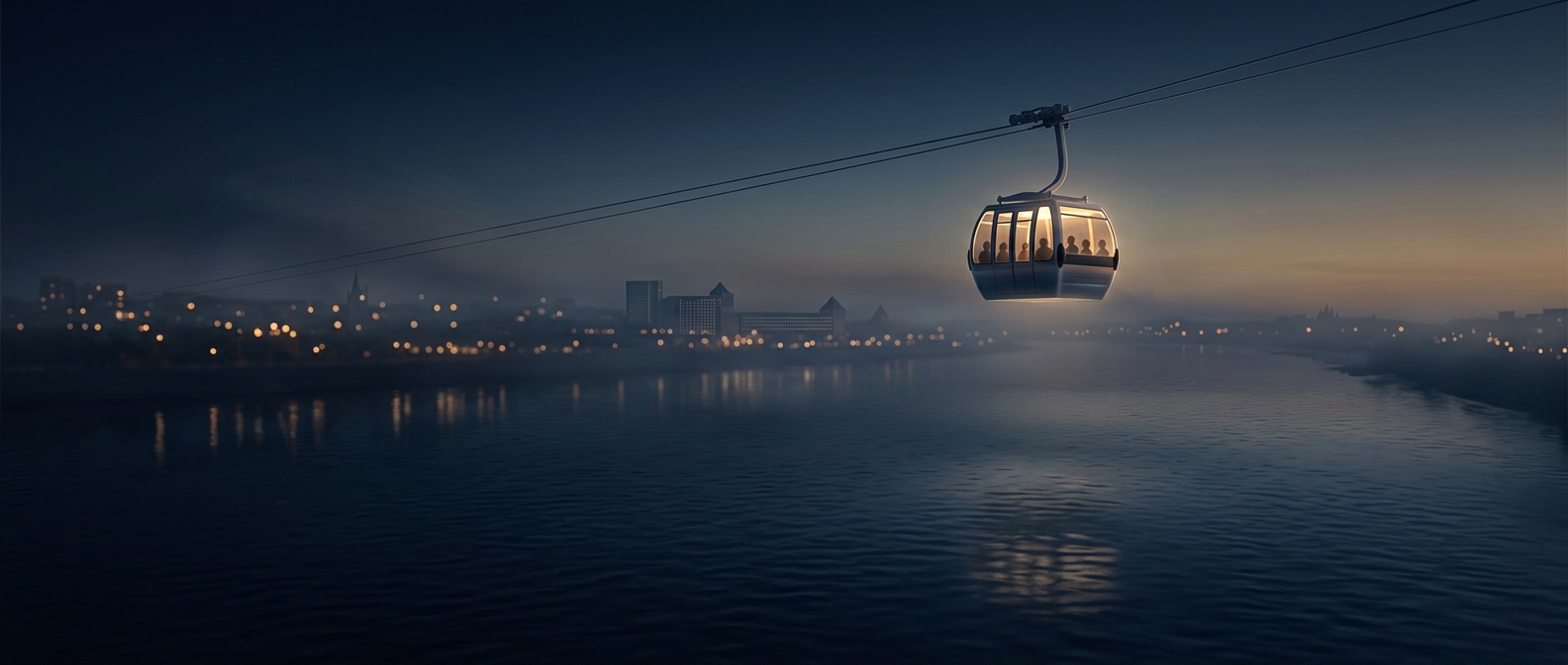
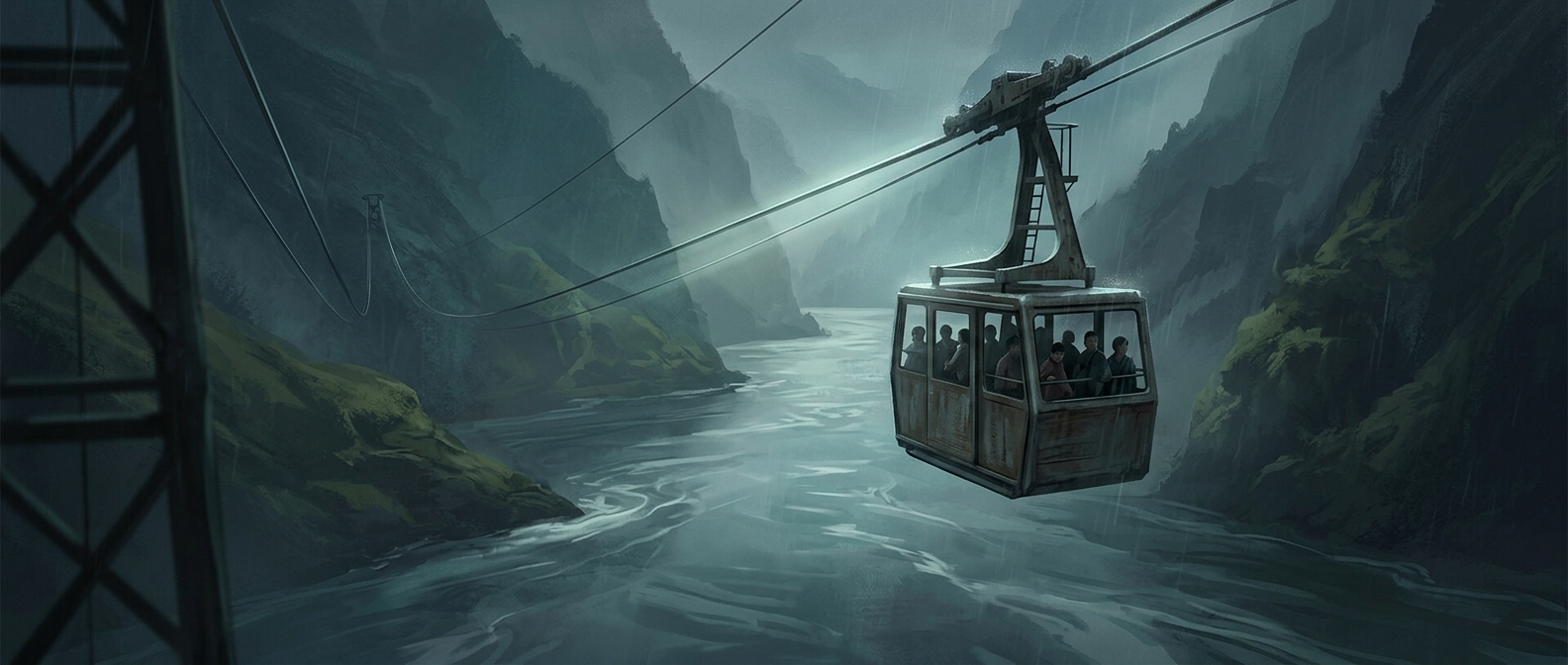
In Chongqing, the Yangtze is more than a line on a map: it separates busy urban districts, while steep hills and dense streets make routes to bridges part of the journey. The cableway offered a different kind of connection. Instead of joining the flow of road traffic, it carried passengers above the river between stations on opposite banks.
How the ride works
A motor drives a moving haul cable, which pulls the cabins across the span. Separate supporting cables bear the cabins’ weight, leaving the crossing suspended above the water rather than dependent on a roadway or bridge deck. From inside, the river and traffic below become part of the view; operationally, they are also what the route passes over without entering.
A shortcut with limits
That direct line can save passengers from a road detour, but it cannot carry traffic as flexibly as a bridge. Cabins have limited space, and travelers still need to reach the stations at either end. The cableway is therefore best understood as a specialized link—not a substitute for Chongqing’s bridges, but another way to cross a river that shapes how the city moves.
Its unusual commute is also a reminder that transport routes are answers to geography: here, the city’s steep banks made a ride through the air a practical alternative to joining the traffic below.