Why a cable can beat a road
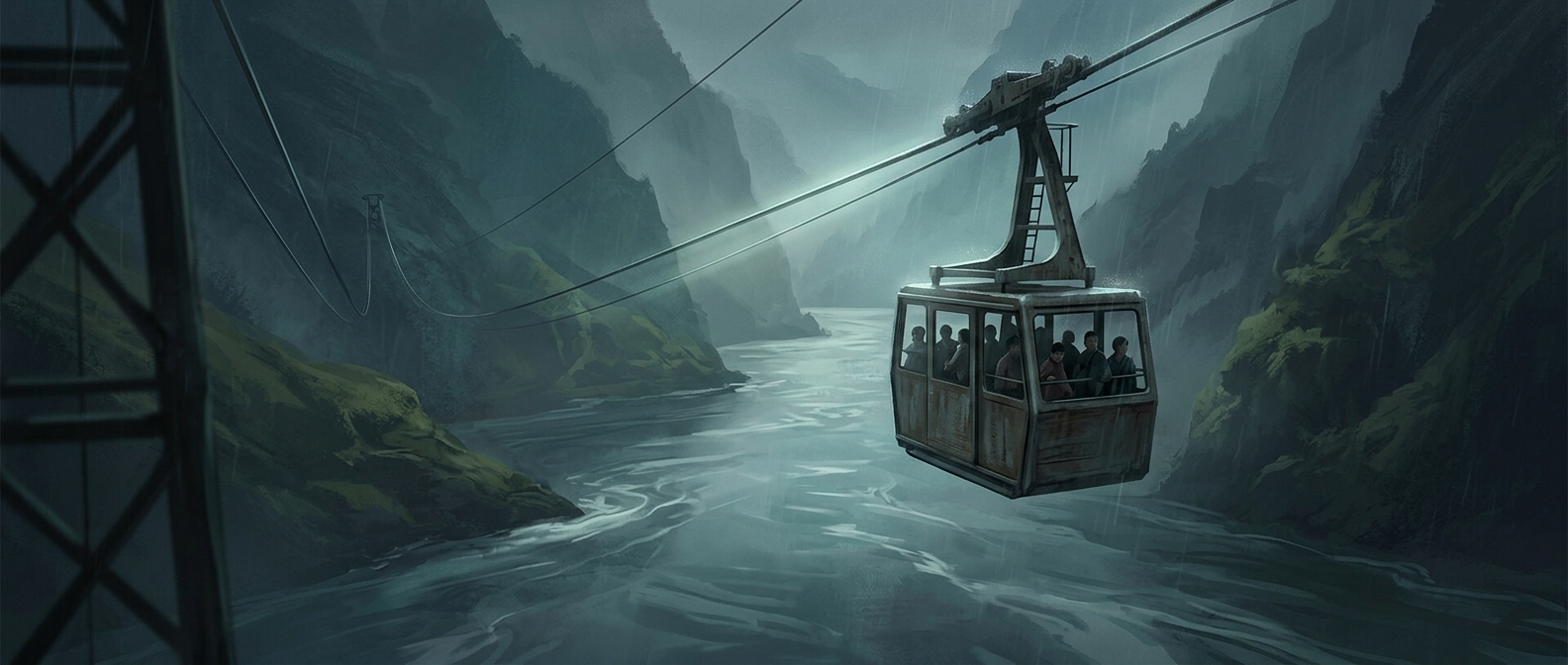
La Paz’s steep, tightly built slopes make some trips awkward by street: a vehicle may have to wind downhill and back up, sharing narrow roads with other traffic. An aerial line can cross that same terrain directly. From above, a valley or hillside that forces a long road detour becomes a short span between stations.
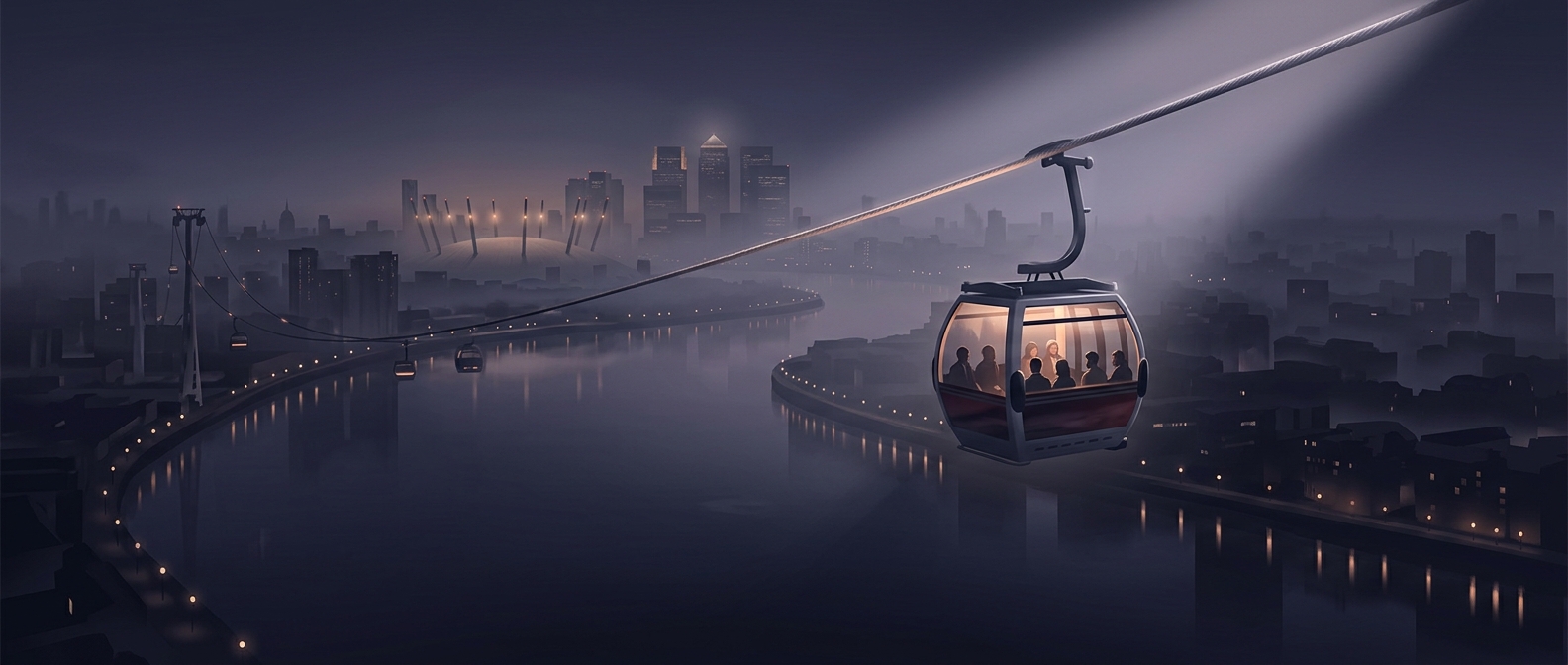
Mi Teleférico uses circulating gondolas, each held by a grip attached to a moving cable. At stations, cabins slow down so passengers can board and exit; once they leave the station, they travel along the line without stopping at intersections. That separates the ride from street congestion and makes journey times more predictable.
A network, not a replacement for every bus
The cable cars are useful where elevation and distance make a direct street connection difficult, including links between La Paz and neighboring El Alto. Stations give riders fixed points to enter and leave the network, while buses and other street transport remain important for reaching places the lines do not serve. A gondola can move people efficiently along a corridor, but it cannot turn off the route to reach every destination.
That division is the key to the system: cable cars handle selected cross-city journeys, while road transport covers the many trips between stations and along other streets. For riders whose route fits a line, the commute trades stop-and-go traffic for a steady aerial crossing—and the city’s dramatic slopes become part of the transit connection rather than an obstacle to it.