The mantis shrimp’s extra channels of vision
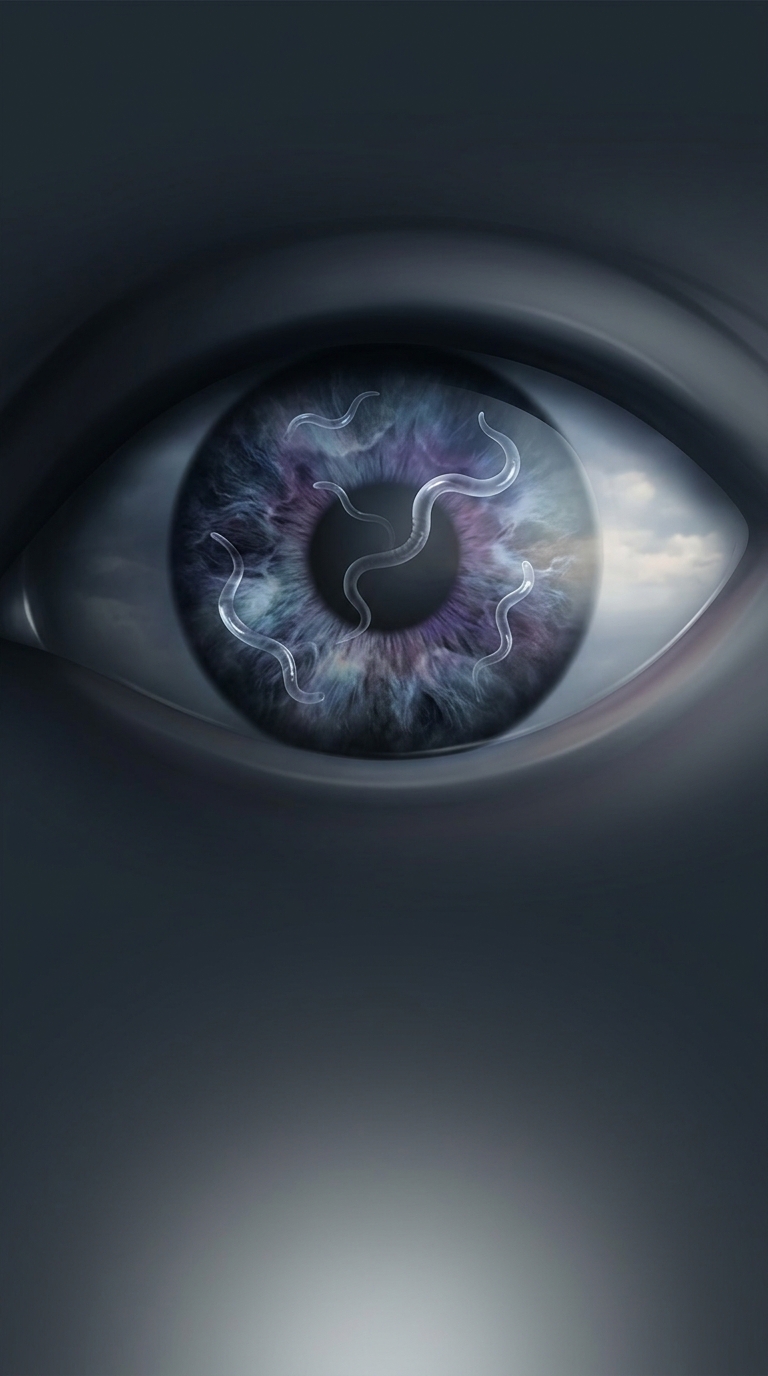
A mantis shrimp’s eyes sample light in ways human eyes cannot. Humans build color vision from three kinds of cone cells, each sensitive to a different range of visible light. Many mantis shrimp have a dozen or more kinds of light-sensitive receptors, including ones that detect ultraviolet wavelengths—light beyond the violet end of the human-visible spectrum. Some can also sense polarization, patterns in how light waves are oriented.
These receptors do not simply hand the animal a richer version of a human rainbow. They give its visual system extra channels of information. A surface that looks plain to us might reflect ultraviolet light or alter polarized light, making it stand out to a mantis shrimp.
More receptors don’t mean a better human-style rainbow
Color vision depends not only on which wavelengths the eye detects, but on how the brain compares signals from different receptors. Humans combine their three cone signals to distinguish many shades. Mantis shrimp appear to use their numerous receptor types differently: rather than blending every signal into finely graded colors, their visual system may identify colors rapidly by comparing channels.
That distinction matters. Having more receptor types does not automatically mean finer discrimination between every pair of colors. It means access to visual cues that humans lack, along with a different way of sorting them.
A hidden signal in the animal’s surroundings
For a mantis shrimp, light can carry information that is effectively invisible to a human observer. Ultraviolet markings or polarization patterns may help make features on another animal or the surrounding environment easier to detect. The remarkable part is not that the shrimp sees a universally superior palette, but that its eyes reveal an extra layer of the visual world—one that is present in the light even when we cannot see it.