A closer look
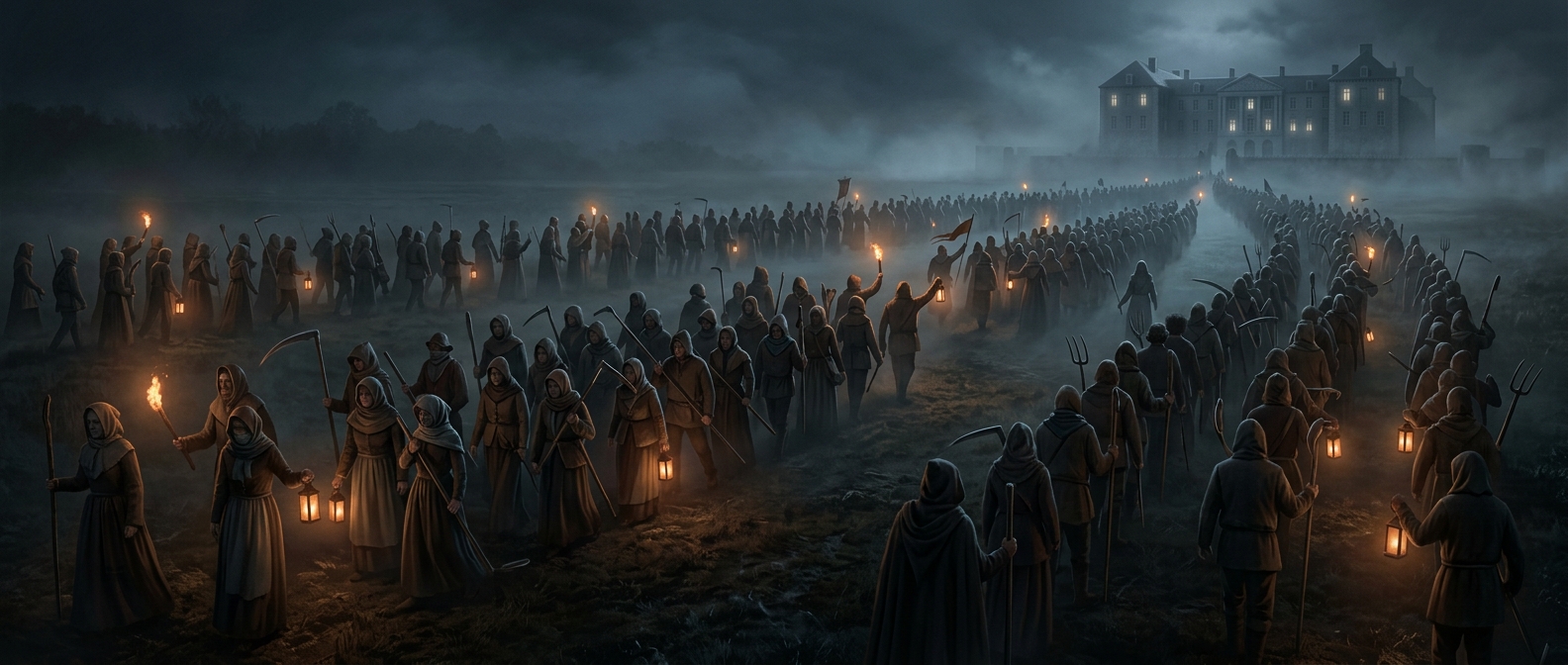
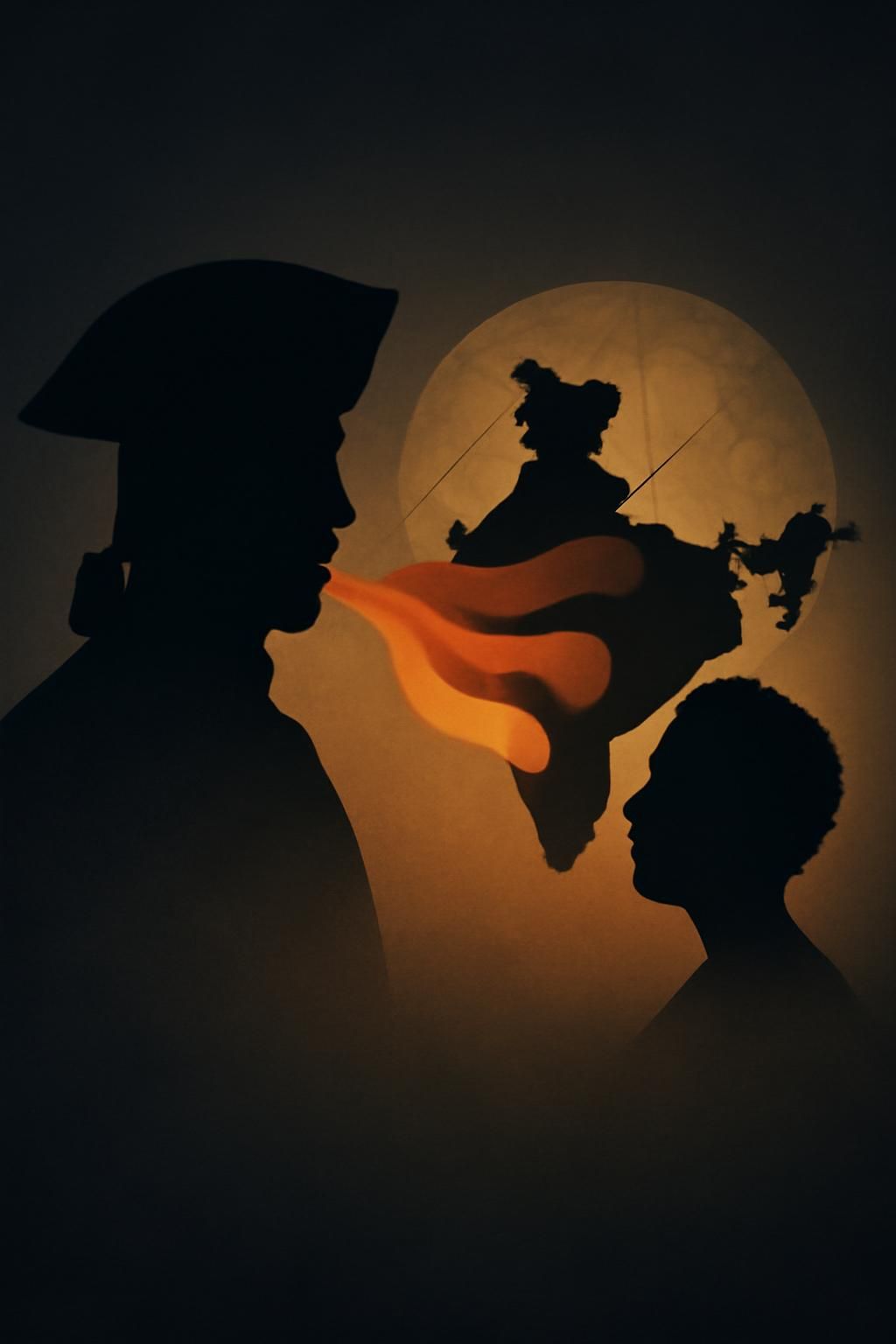
Every time English borrows a word, it hides a power story. Terms like shampoo, bungalow, and pyjamas drifted into English through colonial encounters in India; many food names traveled through trade routes that also carried weapons and disease. Empires did not just conquer land; they rearranged language. Map makers renamed rivers, mountains, and cities, erasing older meanings and embedding new ones. Generations later, people forget that speaking a global language often came at the cost of many others shrinking or dying. Yet resistance also lives in words. Colonized communities bent imperial languages to their own rhythms, creating creoles, slang, and new literatures that turned tools of control into vehicles of expression. When you switch effortlessly between internet English and your home dialect or accent, you are participating in a long, messy history where language has always been both weapon and survival trick.