How Pepsi briefly acquired a “navy”
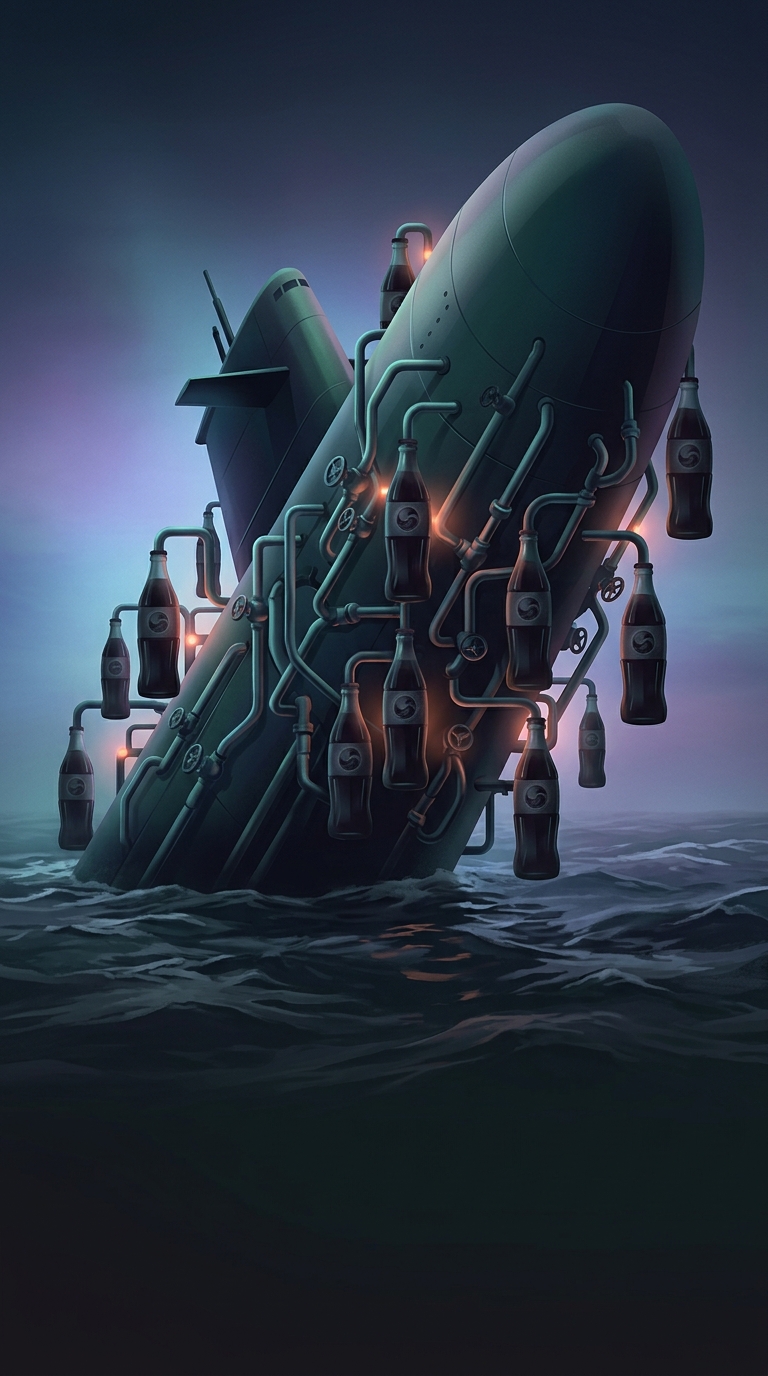
In 1989, a barter deal with the Soviet Union left PepsiCo with a startling collection of military vessels: 17 submarines, plus a cruiser, a frigate, and a destroyer. The company did not intend to operate them. They were decommissioned ships, and PepsiCo arranged for them to be sold for scrap.
That is the twist behind the claim that Pepsi briefly had one of the world’s largest navies. The vessels existed on PepsiCo’s books as assets, but they were not a usable fighting fleet.
When cash cannot cross borders
The unusual payment grew out of a basic problem: Soviet currency was difficult to use for international purchases. PepsiCo had been selling its products in the USSR since the 1970s, and the two sides relied on barter—exchanging goods rather than settling every transaction in freely convertible cash. Soviet vodka was among the goods exchanged for Pepsi products.
By 1989, the relationship was large enough that the sides needed another way to balance what each owed. The Soviet Union offered ships; PepsiCo could accept them and convert their value into something commercially useful by sending them to a scrap dealer.
A commercial deal, not a military venture
The arrangement shows how Cold War trade could run through improvised channels: a company selling soda in a tightly controlled market ended up handling Soviet warships because ordinary payment was awkward. Pepsi’s “navy” was a byproduct of settling accounts, not a fleet built for the company. The vessels’ destination—scrap yards—makes the episode’s real point clearer: even military hardware could become a form of payment when cash and markets failed to do the job.