Why abstract art suited a Cold War campaign
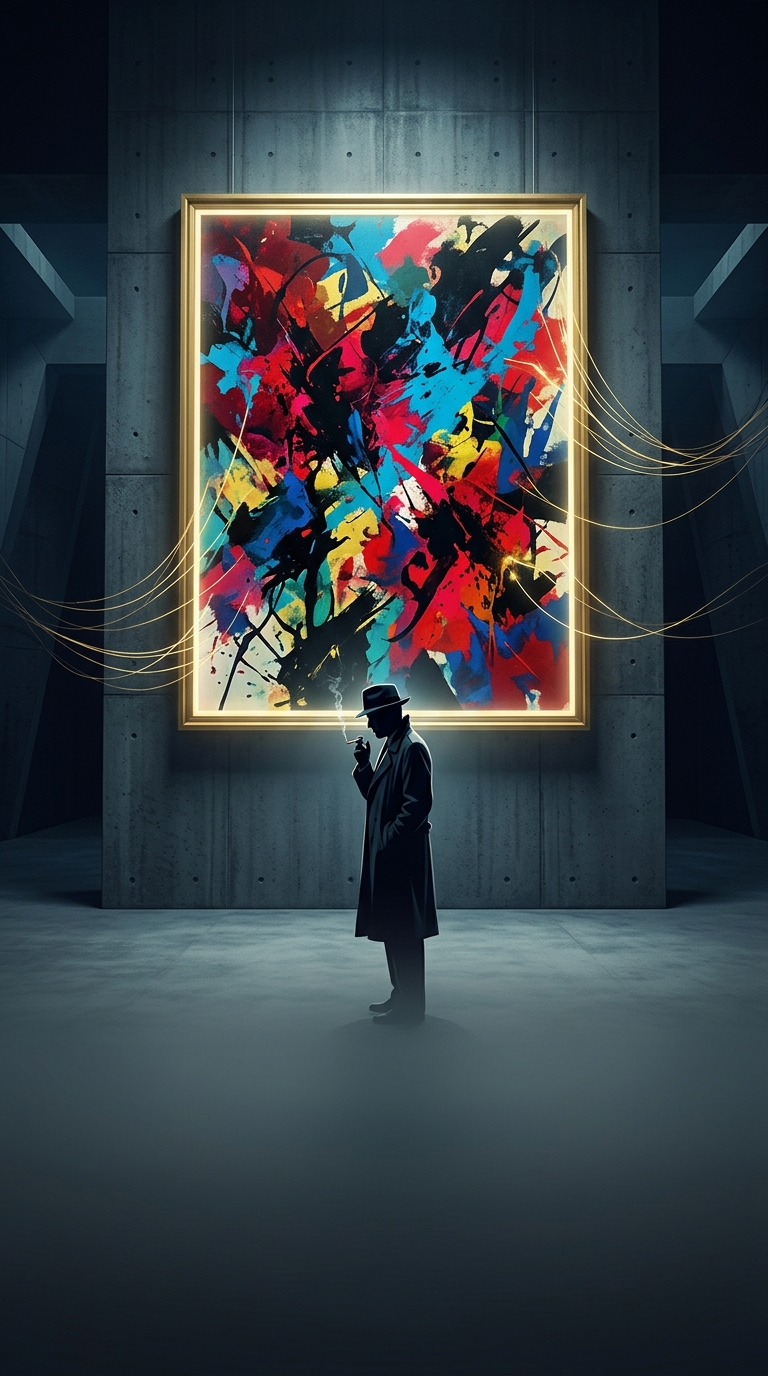
Abstract Expressionism—large, often nonrepresentational painting associated with artists such as Jackson Pollock—made an unlikely tool of American foreign policy. Some U.S. officials and cultural strategists saw its lack of a prescribed subject as evidence of personal freedom: artists could experiment without being required to depict workers, leaders, or an approved political ideal. That message contrasted with the Soviet Union’s promotion of socialist realism, an officially favored style meant to present an optimistic, legible picture of communist life.
The point was not that every abstract painting carried a political message, or that its artists were CIA agents. Rather, the art could be presented abroad as a sign of a society in which unconventional work was allowed to exist—even when officials themselves found it difficult to understand or appreciate.
The distance between the agency and the gallery
The CIA did not simply hand money to painters to produce propaganda. It covertly supported cultural organizations and programs, including the Congress for Cultural Freedom, which arranged exhibitions and other events. Funding could pass through intermediary organizations and foundations, creating distance between the agency and the cultural activity it helped sustain.
That distance mattered. Open government sponsorship might have made an exhibition look like an official publicity campaign. Presented through cultural institutions, the art could appear to speak for itself, and private American patrons and museums could lend it credibility. Many artists and organizers were not necessarily aware of the CIA’s role in the wider funding network.
A message with limits
The campaign helped circulate American modern art internationally, but it was never a neat piece of state-directed messaging. The paintings were challenging, audiences could interpret them in different ways, and the government could not fully control what they meant. That tension was part of their usefulness: the United States could point to art it did not entirely control as evidence of cultural freedom.
The arrangement also exposed a contradiction. A government was secretly supporting a cultural scene partly to demonstrate that culture could flourish outside government direction. Once covert funding became public, the episode raised a lasting question about whether an artwork’s claim to independence is changed by the hidden institutions that help it travel.