The CIA’s plan for a booby-trapped seashell
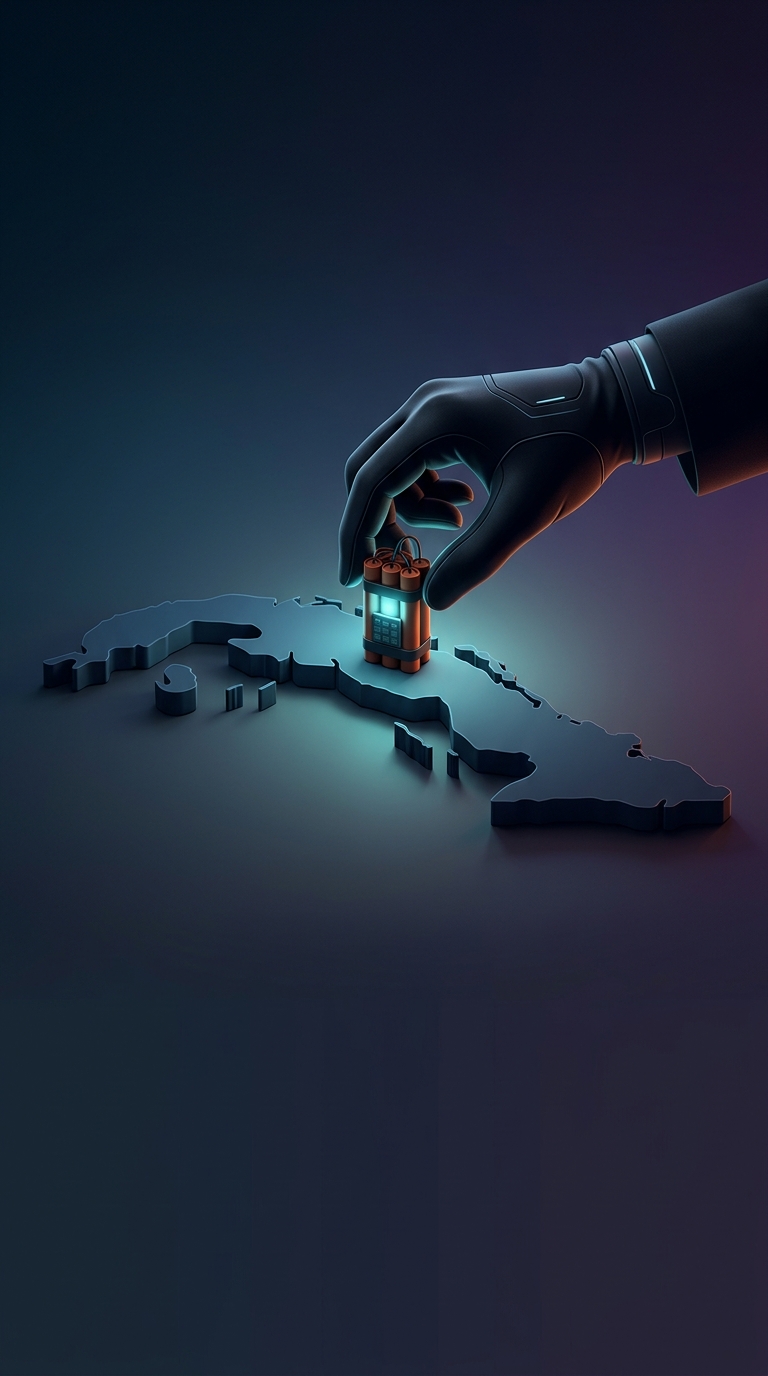
Among the assassination schemes considered by the CIA against Fidel Castro was a plot to hide an explosive inside a large, unusual seashell and place it underwater where he went scuba diving. The shell was meant to catch his eye; the concealed charge would turn a piece of marine life into a bomb.
The idea depended on two guesses: that officials could find a shell conspicuous enough to attract Castro, and that they could plant it in the right place without being noticed. That made the plan sound more like a cartoon trap than a workable operation. The underwater setting added practical complications: the shell had to remain in place, be discovered by its intended target, and detonate reliably.
A proposal, not an attempt
The seashell was one of several outlandish assassination concepts the CIA considered during its campaign against Castro. Considering a scheme did not mean it was carried out: there is no indication the booby-trapped shell was ever planted. Its significance is what it reveals about the range of ideas entertained—and the gap between an imaginative plot on paper and a dependable way to reach a heavily guarded leader.
The detail worth remembering is the intended bait: not a cigar or a gift, but an unusually attractive shell on the seabed, placed where Castro might go looking for it.