Why the Flop Changes the Whole Hand
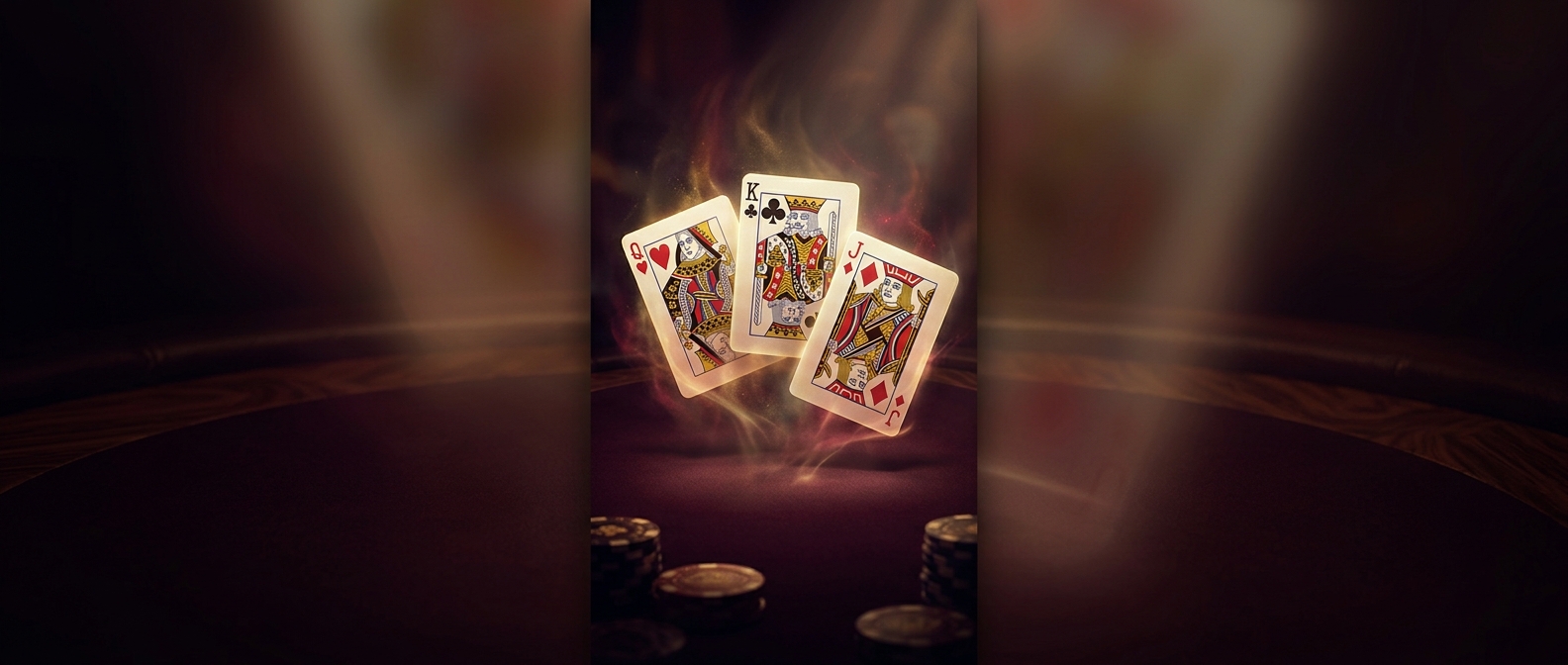
In Texas hold’em, each player starts with two private cards. The flop is the first three community cards—cards every player may use—dealt face-up together after the first betting round. A dealer first discards one unseen card, called a burn card, to make it harder to predict the next card from the deck’s order.
Those three cards give players a shared view of how their hands might develop. A pair in someone’s private cards could become three of a kind; three cards of the same suit could offer a route to a flush; connected ranks might help form a straight. Just as importantly, the flop may help an opponent who seemed to have little before it appeared.
From Private Hunches to Shared Evidence
Before the flop, players judge their private cards without knowing the board. After it, they must reassess: Does the board connect with their hand, and what combinations might an opponent hold? The same three cards can strengthen one player’s prospects while making another’s more uncertain, so a strong starting hand is not a guarantee of winning.
The cards arrive as a group because the flop is one stage of the deal, not three separate turns. That makes the board’s first shape visible all at once, then gives players a betting round to respond. Two more community cards—the turn and river—arrive later, each followed by another chance to bet.
The practical consequence is immediate: after the flop, players are no longer betting only on what they were dealt. They are betting on how their private cards fit a board everyone can see—and on how that board may fit someone else’s.