Why an Early Fold Can Cost You
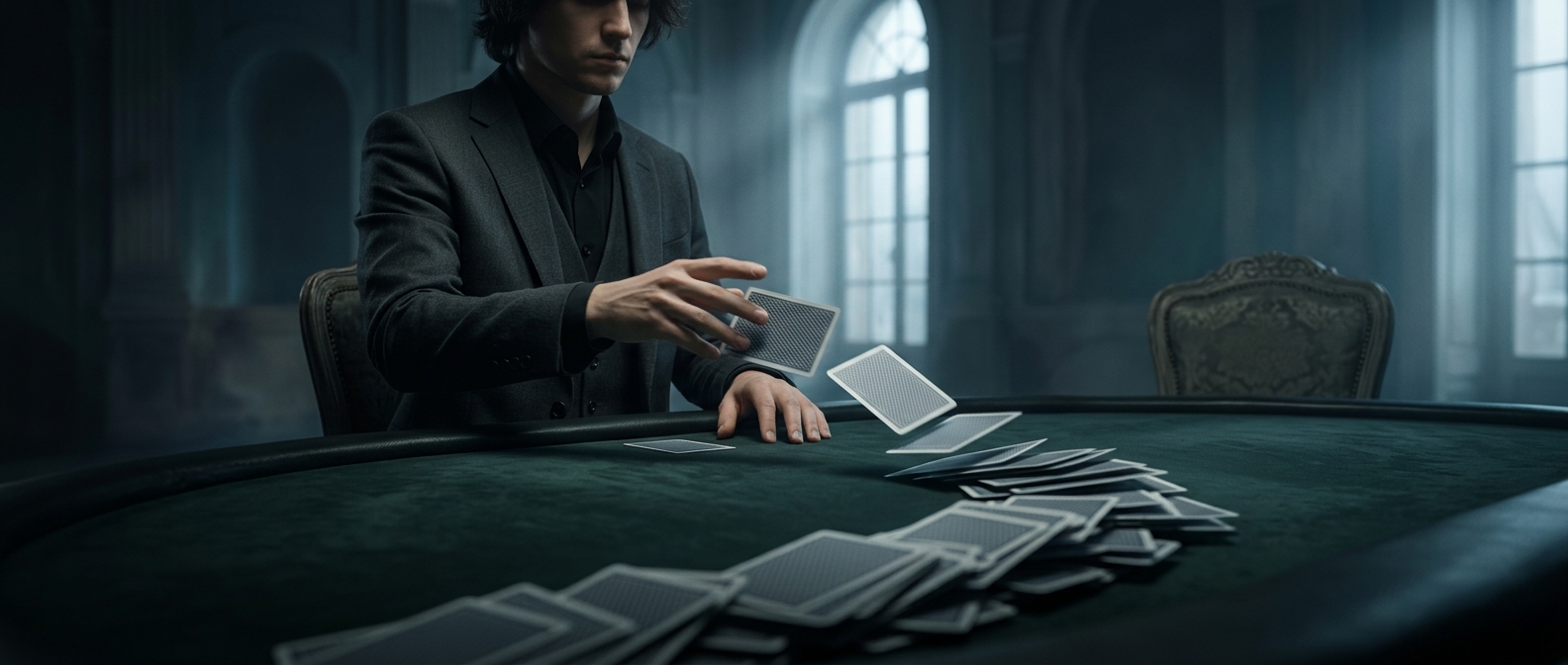
In poker, a fold is not just a player quietly giving up a hand. It changes what everyone else knows. If someone folds before the action reaches them, other players may see the cards or infer that the player has abandoned the pot. That information can affect decisions still to come.
Suppose a player folds while several people behind them have yet to act. Those players now know one opponent is out of the hand. If the cards were exposed, they may also learn which cards are no longer available—information that can change the odds of making a pair, straight, or flush. Even an unshown fold can reveal something about how a player responds to a bet.
The Trouble With Changing the Action
Poker proceeds in a set order, so each player is meant to decide with the same information available at that point in the hand. An out-of-turn fold disrupts that sequence. It can also put pressure on the players who have not acted: they must make choices after receiving a signal they were not supposed to have yet.
That is why a table may impose an immediate penalty, such as requiring the player to sit out an action or otherwise sanctioning the premature fold. The precise remedy depends on the game and the house rules; the point is to discourage players from gaining an advantage—or creating one for someone else—by acting early.
A fold can be irreversible once it is properly made, but a premature action may be handled differently by the dealer or tournament staff. The practical lesson is simple: wait until the action reaches you. One impulsive motion can reveal information to the whole table before anyone else has had to show their hand.