The hidden work behind a “hands-free” home
A home device automates a chore by turning an action into a loop: detect a condition, decide whether it matters, then do something. A thermostat reads the temperature and switches on heating; a robot vacuum maps rooms and follows a route; a coffee maker can start on a timer. The machine is not anticipating your needs in a human sense. It is following rules set by its programming, schedule, or user.
Sensors supply the signals. A motion sensor detects movement, while a door sensor reports whether an entry is open. Software translates those readings into instructions. When several devices can share information, one event can trigger another—for example, a schedule might start heating and lights together. That connection is what turns separate gadgets into a routine.
Convenience depends on coordination
Each device may work well alone yet require its own app, settings, and upkeep. For a routine to run smoothly, devices need compatible connections and accurate information. A vacuum can miss a room if its map is wrong; a grocery-tracking system is only useful if it can tell what has been used or added. A mistaken reading can produce a nuisance rather than a helpful response.
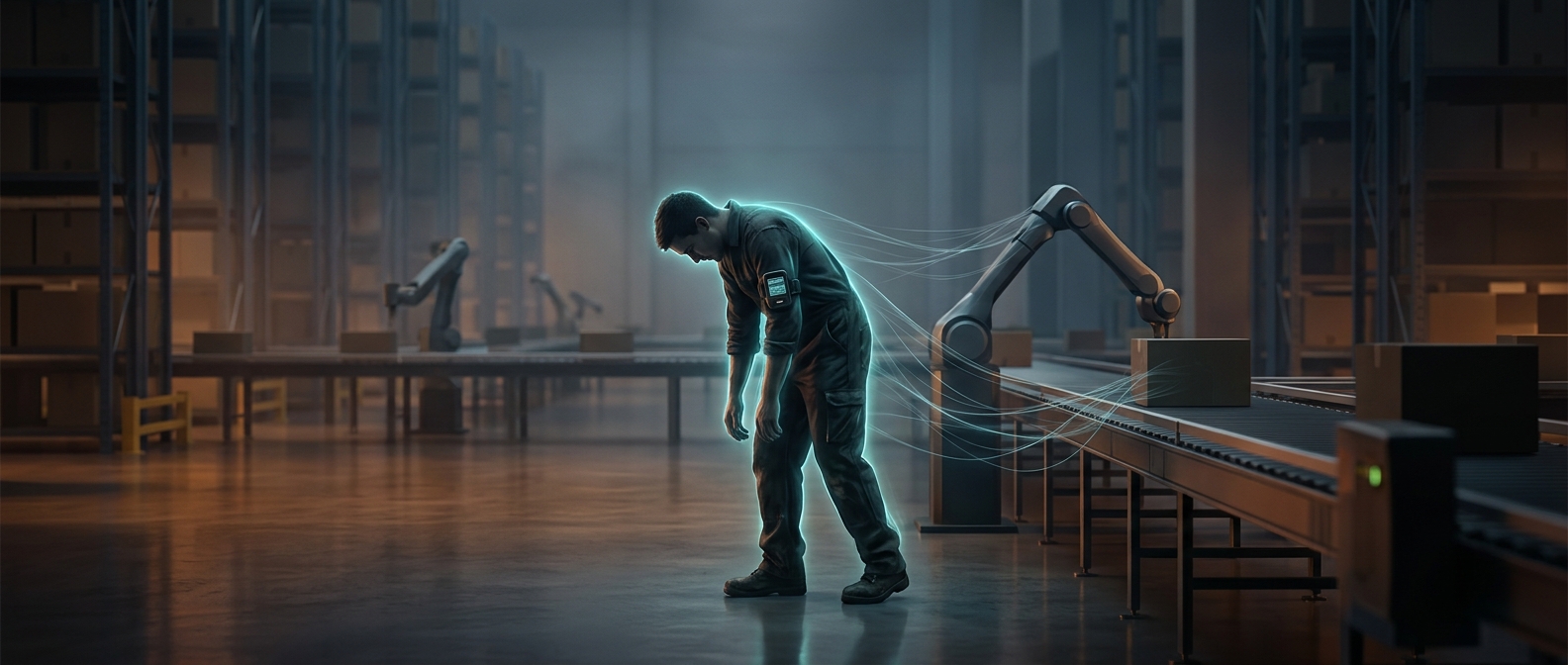
So automation does not simply erase household labor. It can reduce repeated tasks, but it also shifts some work to setup and maintenance: charging a robot, updating a schedule, replacing a sensor battery, or correcting a device that misunderstood the situation. The less visible the chore becomes, the more its success depends on these small systems continuing to work.
The real change is in the routine
The larger shift comes when actions that once required a reminder or a decision happen as part of an established sequence. A device can handle a predictable task at a predictable time, leaving people to intervene when circumstances change. The practical test is not whether a home feels futuristic, but whether its automation reliably removes a step without creating several new ones.