A closer look
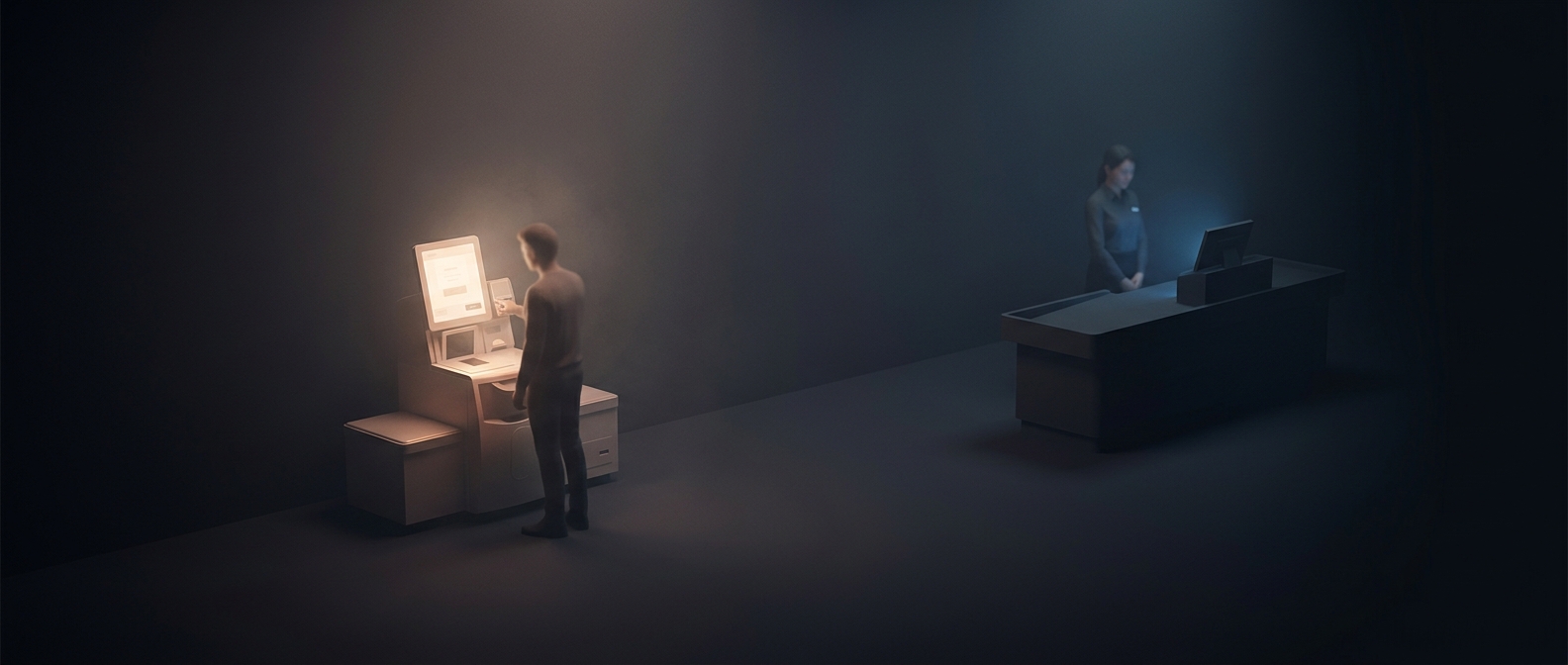
When self-checkout machines quietly rolled into stores, they promised speed and independence. But they didn’t just alter the checkout line—they shifted how we see human cashiers. Suddenly, interacting with a person felt optional, even old-fashioned. Shoppers grew less patient, treating service as backup rather than the norm. For workers, this created a strange dynamic: their roles became less about transactions and more about troubleshooting machines or calming frustrations. In just a few years, technology reshaped not only labor but social habits, subtly changing the script of politeness, patience, and human connection at the counter.