What “Projector” Means in Human Design
In Human Design, a modern spiritual system that sorts people into personality “types,” a Projector is cast as a guide rather than a steady engine of output. The framework assigns types from a person’s birth information and interprets them through a chart of energy centers and connections. These ideas are part of a belief system, not an established measure of someone’s work capacity.
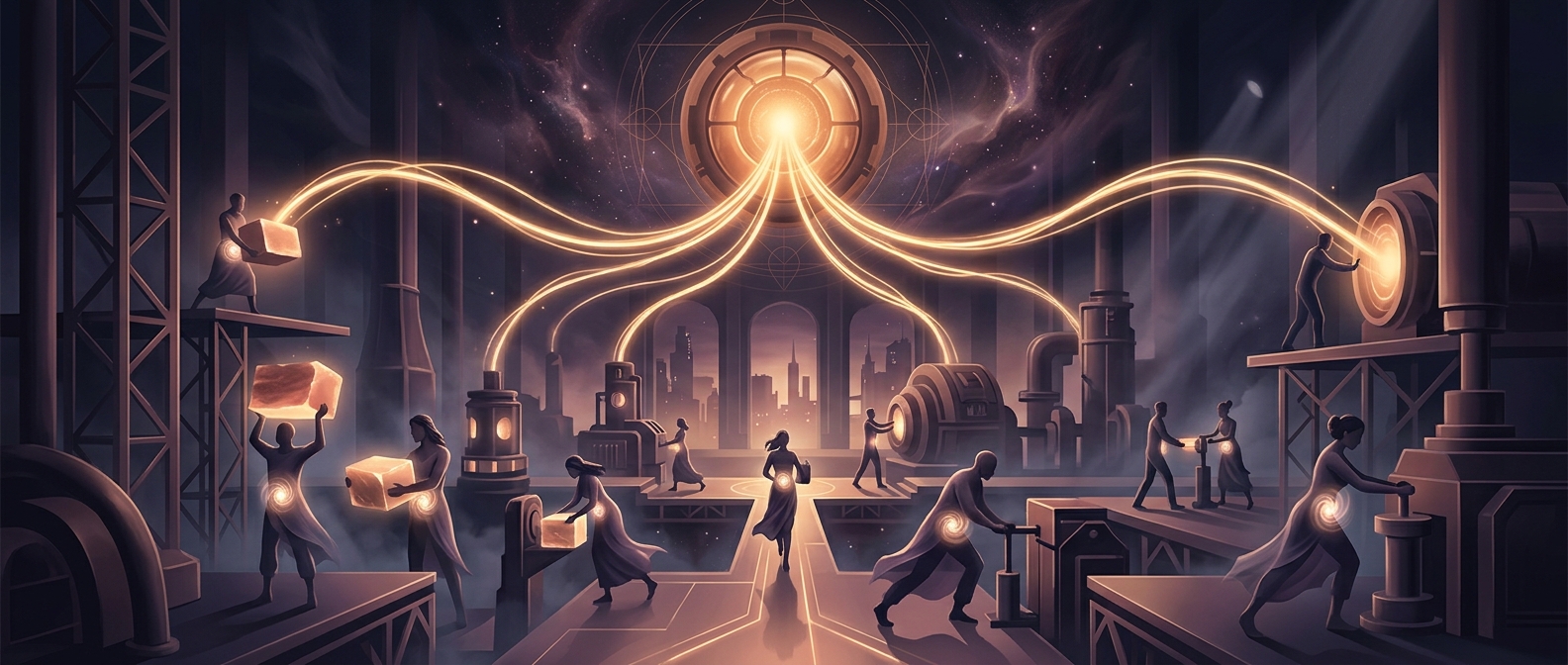
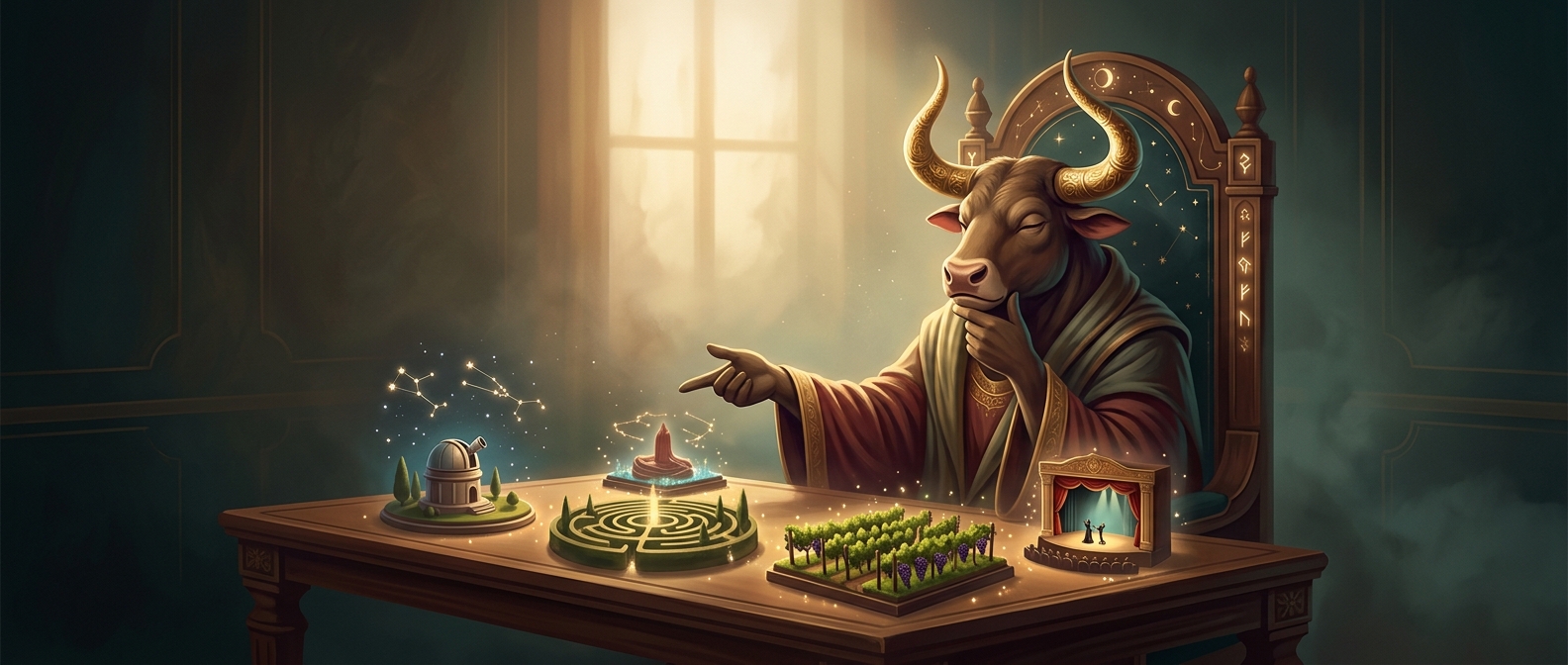
The Projector role is often described as noticing how other people or groups operate: who is doing what, where effort is being wasted, and how a process might be better organized. That makes advice and direction central to the type’s self-image. The tension in the caption comes from the system’s other claim: Projectors are not meant to sustain the same kind of continuous work rhythm as types associated with consistent energy.
Why Recognition and Invitation Matter
Human Design calls a Projector’s recommended approach “waiting for the invitation.” In practice, this means holding back major guidance until someone has recognized their perspective and asked for it—especially in consequential areas such as work or relationships. The invitation is meant to distinguish welcomed insight from advice that lands as intrusive or goes unused.
That rule gives the type a built-in social dilemma: a Projector may feel well suited to directing a group, yet the framework says their guidance works best when others first acknowledge their ability. “Success” is commonly presented as the Projector’s positive sign, while “bitterness” is treated as a warning that they feel overlooked or are pushing into situations that have not made room for them.
So the joke is not simply that Projectors want to boss people around. It plays on a specific Human Design ideal: save energy for seeing the system clearly, then guide when your insight is genuinely invited.