What “Generator” means in Human Design
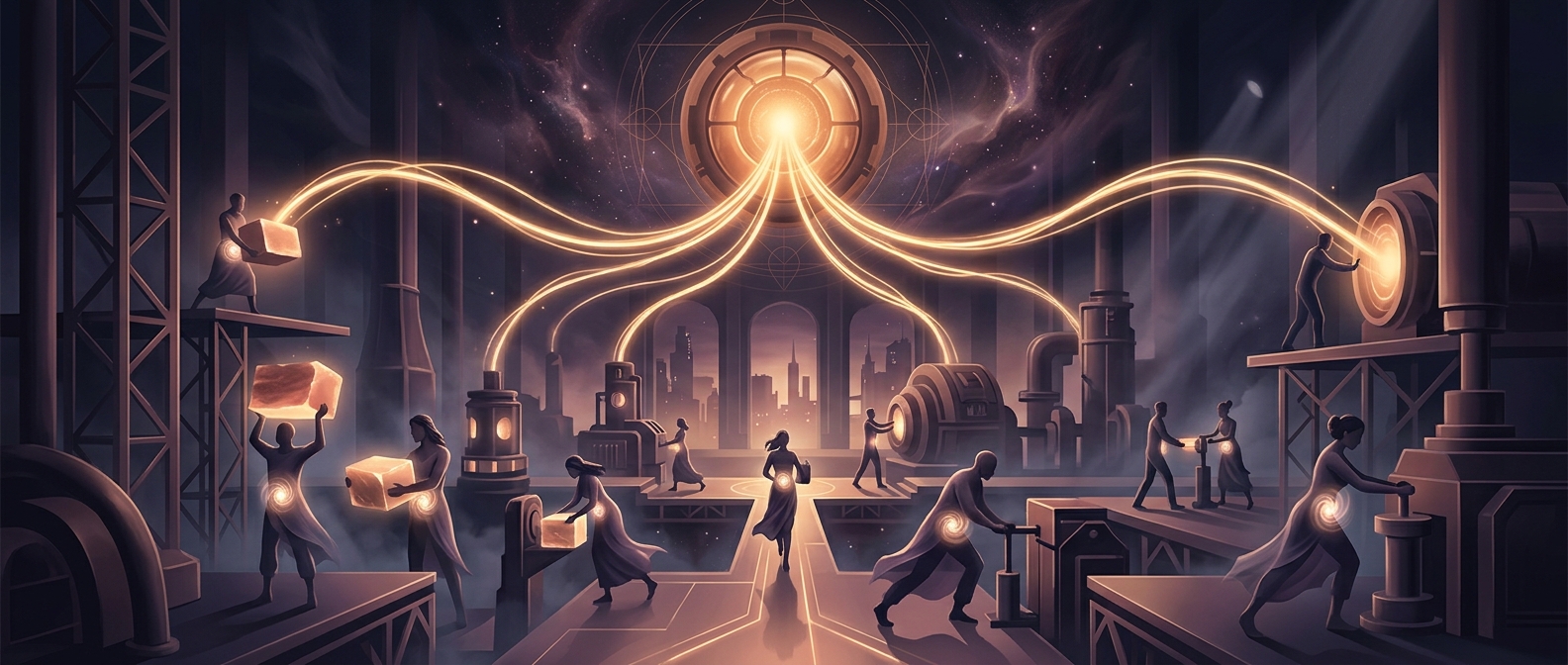
Human Design sorts people into types using a birth chart, with a Generator identified by a particular feature of that chart: a defined Sacral Center. In the system’s vocabulary, this center represents life-force energy and the capacity to sustain effort. Calling Generators the world’s “labor force” is therefore a metaphor within the framework, not a claim about anyone’s measured stamina or economic role.
The idea is to respond, not force a start
A key instruction for Generators is to “wait to respond.” This does not mean doing nothing. It means noticing something concrete—a question, invitation, task, or opportunity—and paying attention to whether it brings a felt sense of yes or no. Human Design calls this an “authority,” or a way of making decisions; for many Generators, it is described as a bodily response rather than a decision reached through prolonged analysis.
The proposed logic is practical within the system: effort is more satisfying when it follows genuine engagement. A person who feels drawn into a project may keep working at it; one who agrees mainly from pressure may experience the same work as draining or frustrating. These feelings are part of Human Design’s interpretive language, not validated diagnostic signs.
A map for reflection, not a scientific measure
Human Design blends ideas from several spiritual and symbolic traditions into a personalized chart. Its categories can give followers a vocabulary for noticing what kinds of tasks energize or exhaust them, but the system has not been established as a scientific way to measure personality or predict work ability.
The useful question is less whether someone literally belongs to a “labor force” type than whether the metaphor helps them notice a concrete pattern: which commitments they freely engage with, and which they take on without wanting to.