Cartoon characters were built by many hands
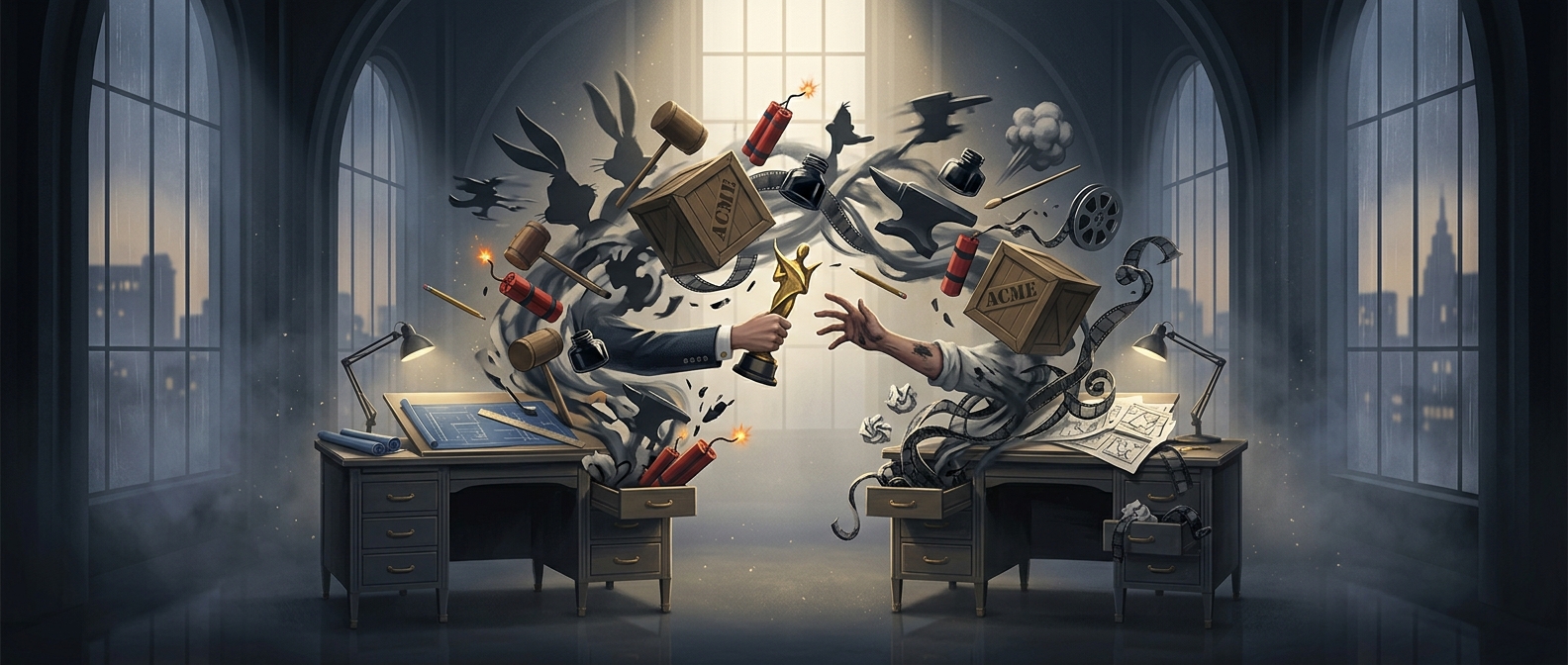
At Warner Bros., a cartoon director did not create a character in isolation. A short passed through a team: writers shaped the situation and dialogue, artists designed and drew the figures, and directors guided timing, performance, and tone. As a character returned in new films, different teams could sharpen the traits audiences came to recognize.
That makes “Who created Bugs Bunny or Daffy Duck?” a deceptively difficult question. A character’s first appearance, visual design, voice, and familiar personality may have different contributors. Later, a director’s successful run can make the character feel closely associated with that filmmaker—even though the character was already the product of earlier work.
Why a credit dispute became personal
Clampett’s claims touched more than a line in a film credit. They challenged how former colleagues remembered their own contributions and how audiences might assign lasting authorship. When the people involved had helped shape the same characters, a confident claim of sole or primary credit could sound like an erasure of their work.
The public letters and coordinated denials turned a disagreement over studio history into a dispute over who had the right to tell it. The deeper complication is that cartoon characters do not always have a clean birth certificate: their identities often emerge through repeated collaboration, one short at a time.