A voice that carried an era into Roger Rabbit
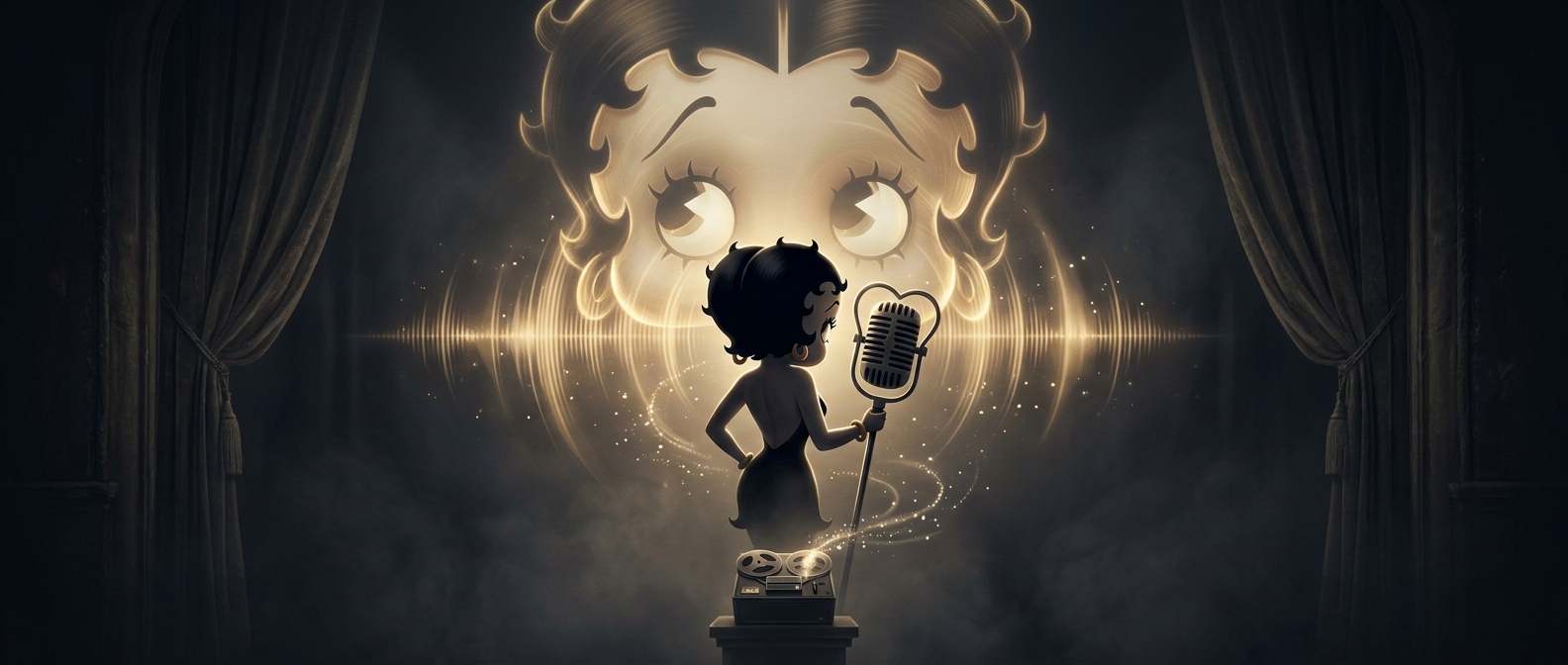
Betty Boop’s appearance in Who Framed Roger Rabbit did more than summon a familiar cartoon face. The film brought characters from different animation studios together in a live-action story, making each cameo a small encounter between Hollywood’s present and its past. Betty arrives in the visual style of her early cartoons, a black-and-white figure amid a world that largely moves in color.
Why the return felt so immediate
A character’s voice can be as recognizable as her silhouette. Mae Questel had helped establish Betty’s high, elastic sound when the character was new; decades later, that same vocal quality made the cameo feel continuous rather than like an imitation created for the film. The contrast was striking: the cartoon world around Betty had changed, but the voice still connected her to the animation era that produced her.
That continuity also gave the moment a quiet poignancy. Betty was not simply an old design revived for a joke; she was a performer from the character’s own history, briefly sharing the screen with a new generation of animated stars. In a movie built around animation’s past and present colliding, the original voice made that collision audible.