Why a Battle Is Recorded One Voice at a Time
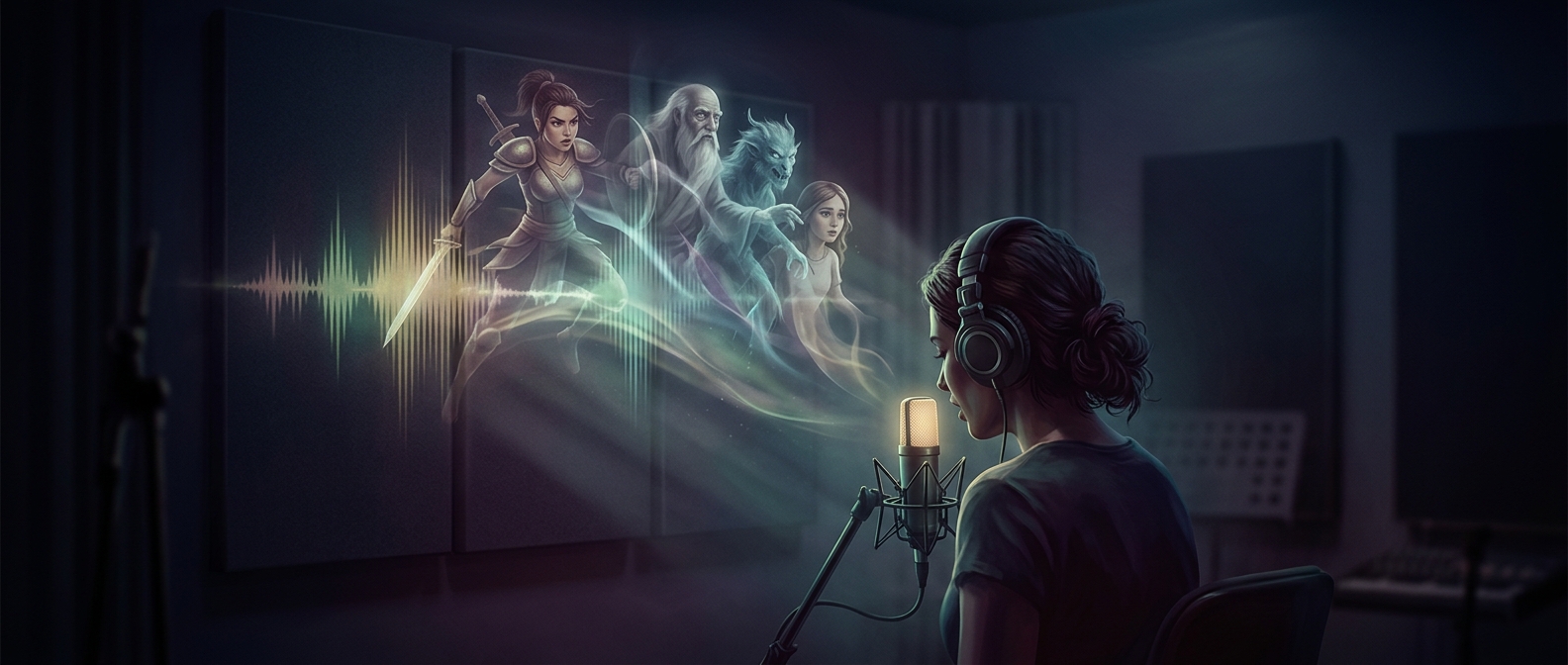
A screen battle may sound like a crowd colliding all at once, but recording each performance separately gives the sound team control over the pieces. An actor’s scream can be placed precisely against a sword strike, an impact, or a change in the music. Engineers can also adjust that voice without changing the sound of every other performer.
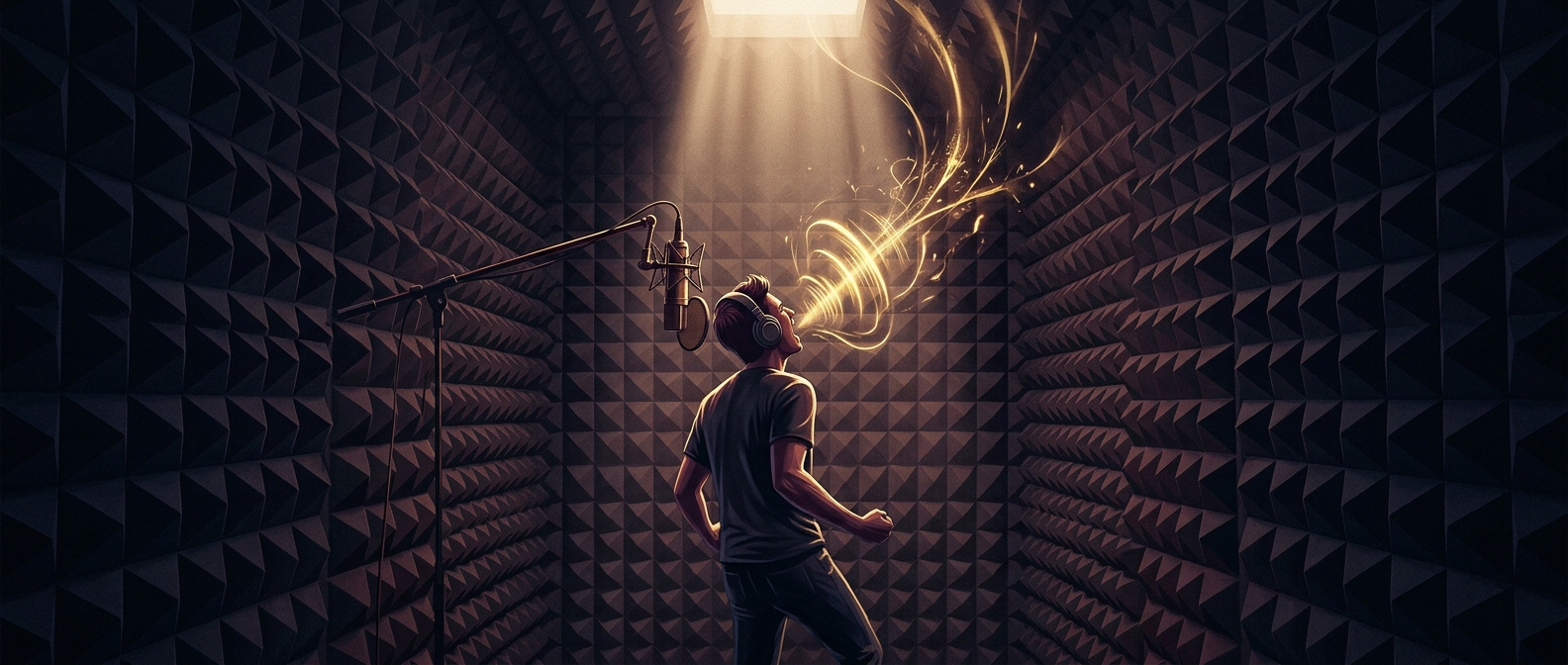
Separate recording helps keep voices clean. If several actors shout in the same room, their voices can spill into one another’s microphones, making individual performances harder to edit. In an isolated booth, a performer can give a full-volume scream without competing with other actors or recording unwanted room noise.
Making Solitary Acting Feel Like a Fight
The challenge is that the actor often has no scene partner physically present to react to. Directors can provide context—what the character sees, what just happened, and when the response should land—so the performance has a specific cause rather than sounding like a generic yell. The actor may imagine a nearby ally or opponent, while the director shapes the timing and intensity to fit the scene.
Later, the sound team combines those separate voices with effects and music. A scream can be brought forward for a moment of danger, tucked beneath the clash of a battle, or repeated in a larger crowd. The apparent chaos is built from carefully placed parts; the actor’s job is to make one isolated take feel as if someone is right there beside them.