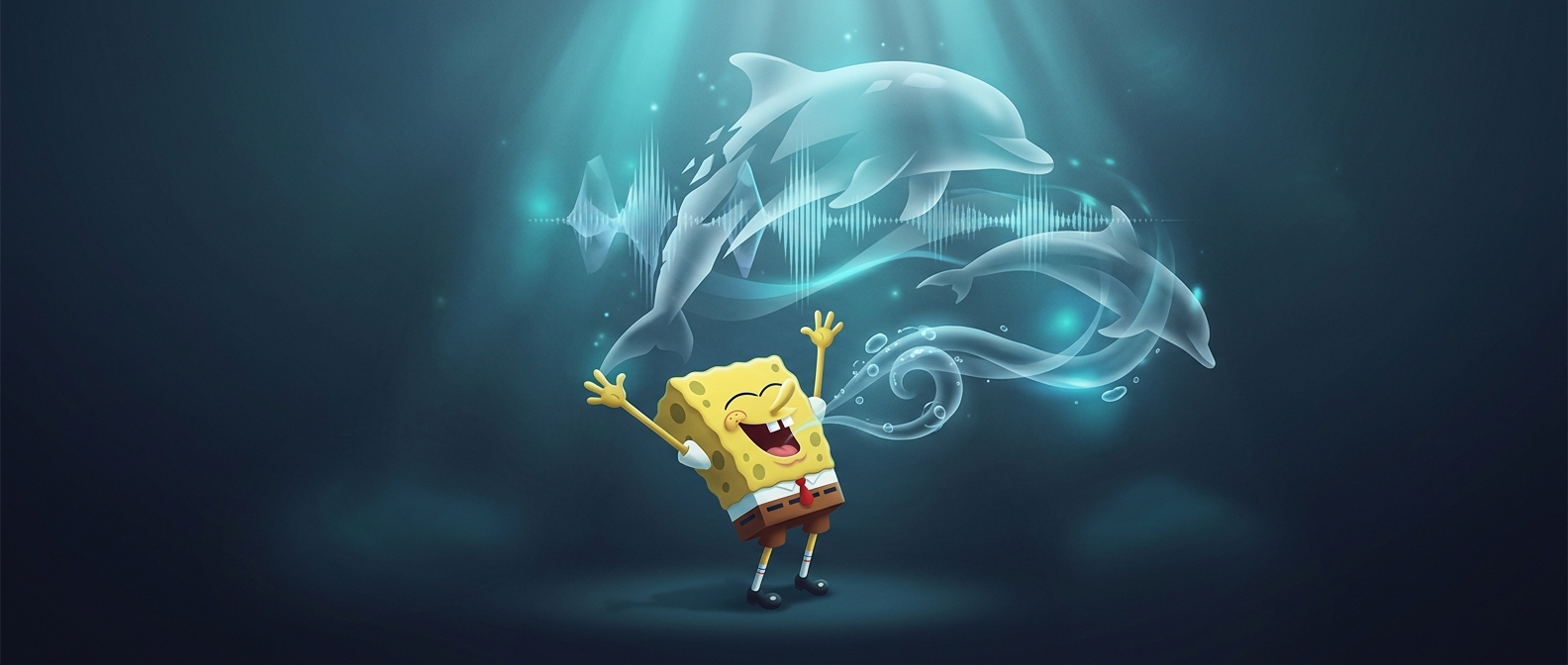
How SpongeBob’s Laugh Gets Its Scratchy Edge
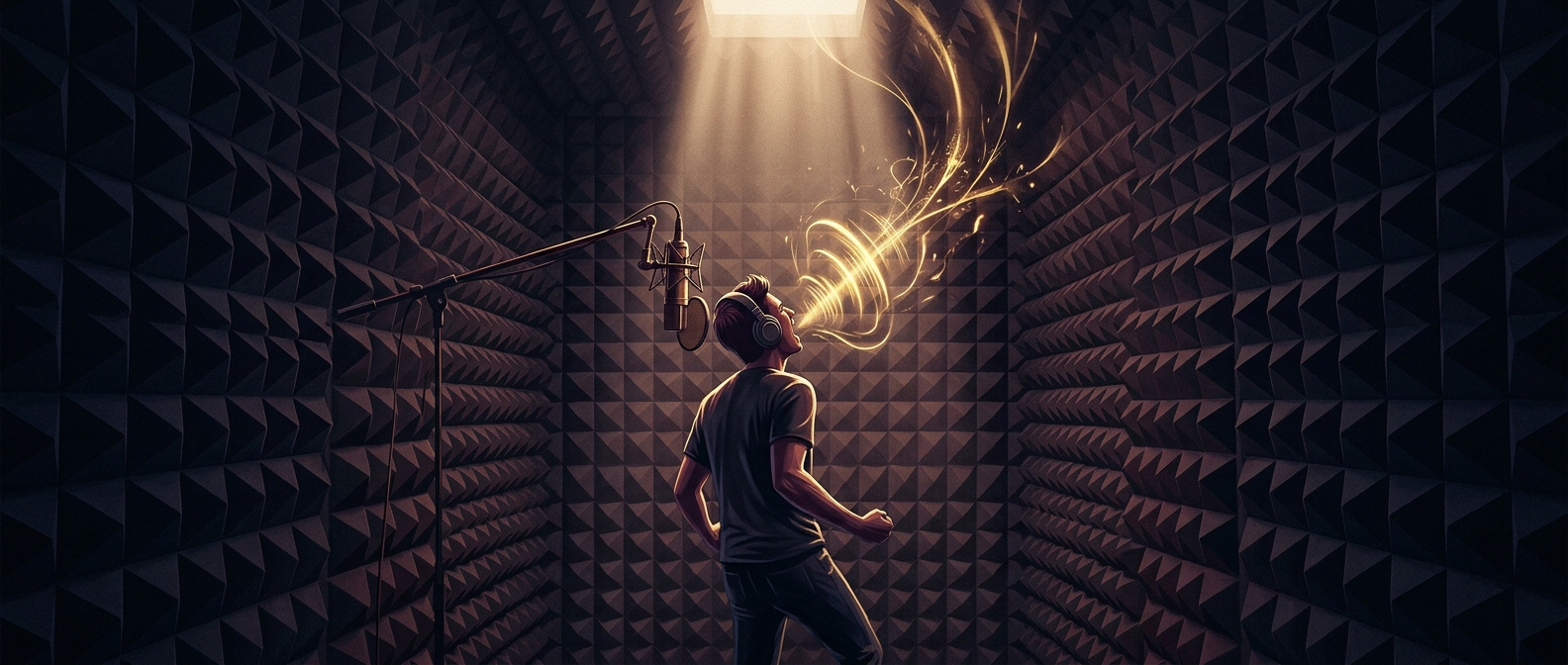
Tom Kenny builds the laugh from two sounds at once: a high, seabird-like call and quick hits to his throat. The call supplies the piercing pitch; the repeated impacts interrupt it with rough, rattling bursts. Together, they make the laugh sound less like a smooth human chuckle and more like a squawk.
A Character Sound, Not Just a Punch Line
That contrast helps the laugh register immediately. Its bright, high notes suggest a cartoonishly buoyant mood, while the harsh texture makes it odd enough to stand out from ordinary laughter. The sound is recognizable even in a short burst—useful for a character whose laugh often has to punctuate a scene without explanation.
The memorable effect comes from a physical performance choice, not simply from turning a voice up or adding an electronic filter. Kenny’s technique gives the laugh its distinctive stop-start rasp, making the character’s amusement sound like part of SpongeBob’s whole cartoon world.