The Four-Finger Hand Is a Design Shortcut
A cartoon hand has to communicate quickly: a viewer should be able to tell whether a character is pointing, grabbing, waving, or making a fist, even when the drawing is small or appears for only a moment. Artists can preserve those recognizable gestures without drawing every anatomical detail. A palm, a thumb, and a few clear fingers often provide enough information for the hand to read at a glance.
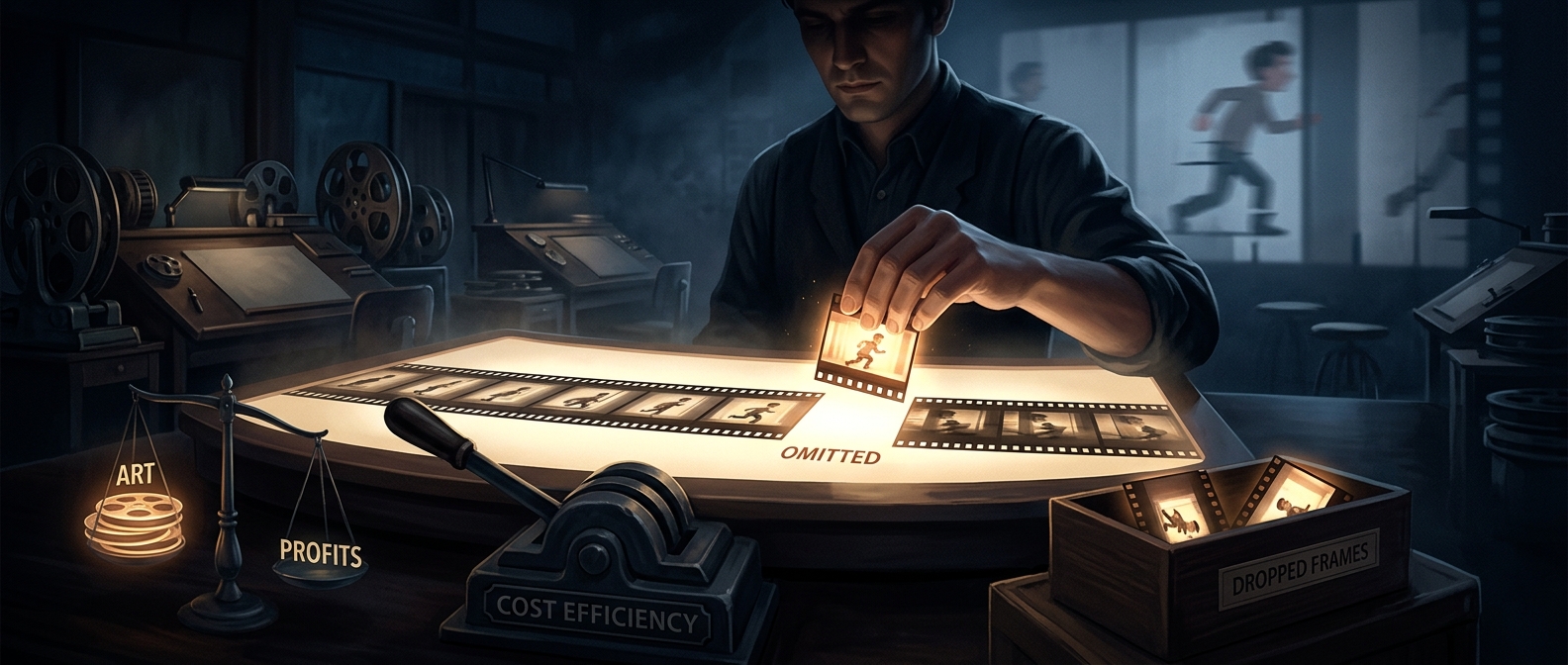
That simplification also helps a character stay consistent. In traditional animation, artists draw many poses to create the illusion of continuous movement. Each hand must change shape from frame to frame while still looking like the same character’s hand. Fewer digits mean fewer overlapping lines and fewer small shapes to keep track of, especially in curled or tightly grouped fingers.
A Convention, Not a Rule
Four-fingered hands became a practical visual convention across many styles of cartoons, but the choice depends on the character and the image. A simple, rounded design may benefit from fewer details; a close-up or a more realistic style may call for more. What matters is not anatomical completeness but legibility: the hand needs enough distinct shapes to make its action unmistakable.
The missing finger is therefore more than a drawing convenience. It is one of the small design choices that lets a character’s gesture survive a quick glance, a tiny screen, or a fast-moving scene.