A turned face can keep a scene moving
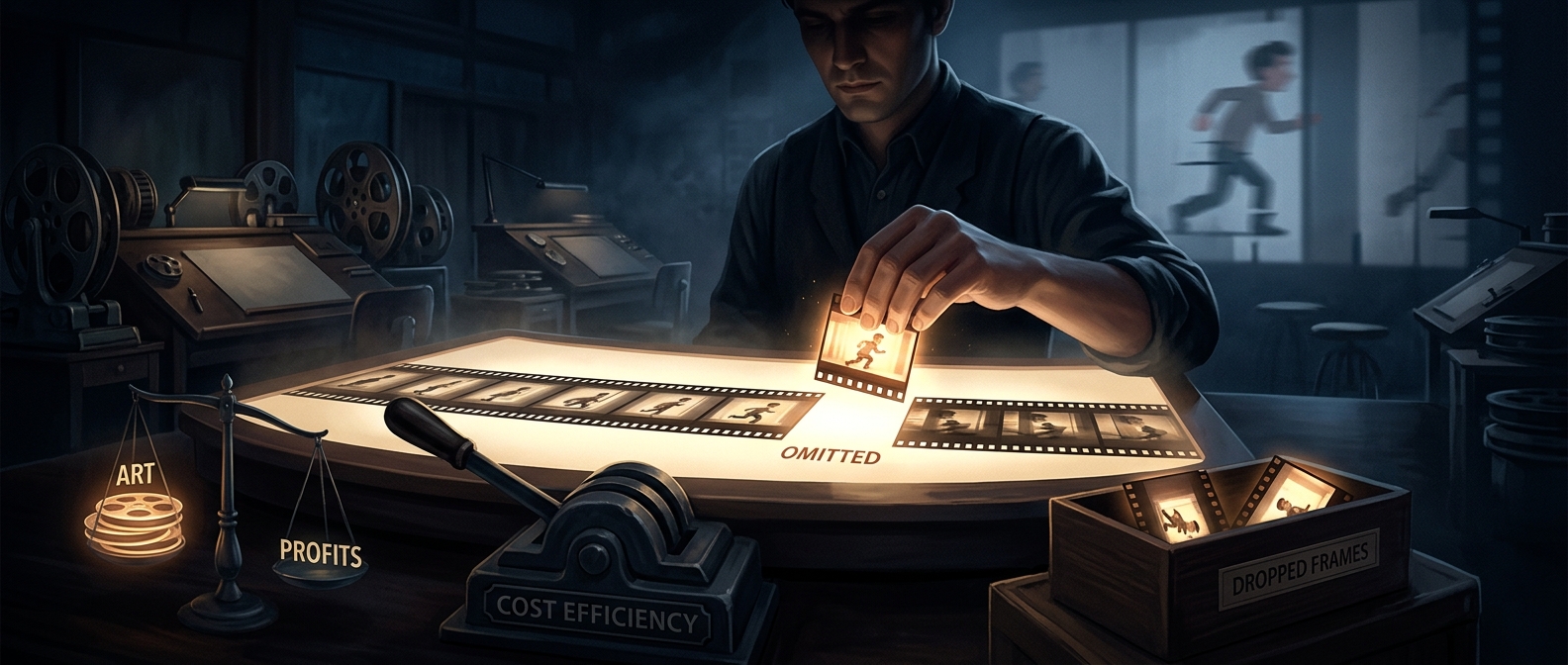
In hand-drawn and limited animation, dialogue creates a small but recurring production task: the character’s mouth must change shape, and often position, to suggest speech. If a scene gives one character a long uninterrupted speech, those changes can add drawings and revisions without changing what the audience needs to understand.
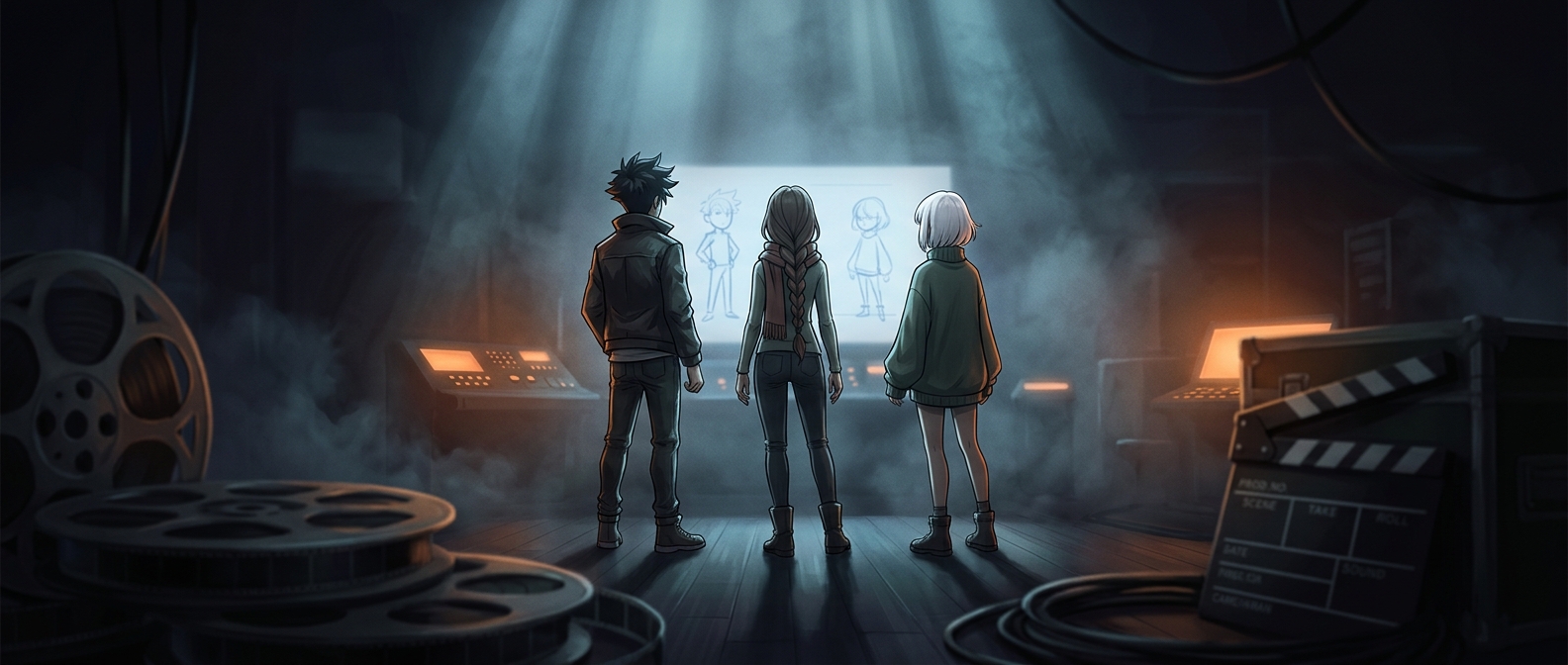
Turning the speaker away—or showing them in profile, in silhouette, or from behind—lets the soundtrack carry the words while the image avoids showing a mouth that would need to move convincingly. The production can hold a drawing longer or reuse it, saving effort across many shots.
Economy becomes a staging choice
The trick works because viewers do not need to see a speaker’s lips to follow a monologue. A voice over a fixed image can feel deliberate, especially when the scene is focused on the listener’s reaction, the setting, or the speaker’s posture rather than precise lip movement. The turned face may also suggest distance, hesitation, or a character speaking to a room instead of directly to someone.
It is not a rule that every turned-away monologue is there to save labor; framing can serve story and mood, and animation styles vary. But when a shot holds on a character facing away, the composition can do double duty: preserve the scene’s emotional focus while reducing the need to animate speech. A modest production shortcut becomes part of the visual language.