Why an Explosion Can Reappear Unchanged
A hand-drawn explosion is a burst of labor: artists must design its shape, draw how it expands and breaks apart, and check that the motion reads clearly from frame to frame. Once that sequence exists, a studio can save time by reusing it instead of commissioning another nearly identical effect for a later scene.
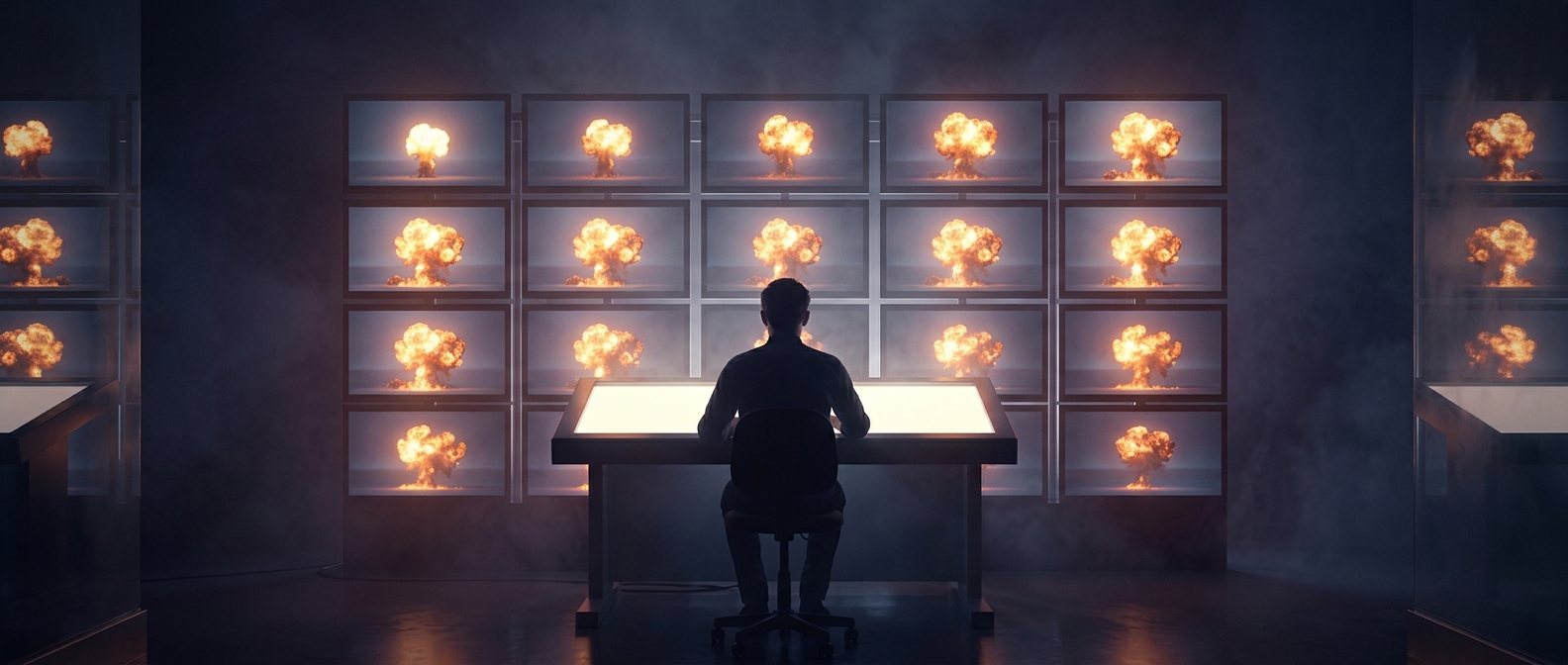
In traditional animation workflows, the sequence may be kept as a set of drawings or as completed footage and inserted into a new episode. The fiery effect can then play over a different background or behind different characters. If the timing and framing fit, the same animated burst can do its job again without being redrawn.
Reuse Is a Production Choice
An explosion is often a brief visual accent rather than a unique character performance. Viewers need to see a sudden blast, a flash, or smoke spreading; they may not need a wholly new sequence each time. Reusing an existing effect lets the team spend scarce drawing and checking time on scenes where fresh movement matters more.
That shortcut has limits. A blast that is too familiar, too large, or timed differently from the action can feel pasted in. A studio may therefore choose an effect whose shape and duration fit the new scene, or alter how it is placed and combined with the surrounding imagery. The tradeoff is practical: a recognizable repeated effect costs less effort, but can make separate moments look less distinct.
The next time a fiery burst seems oddly familiar, it may be more than a stylistic resemblance—the production may have brought the same animation back, turning one carefully made explosion into a reusable piece of the studio’s visual toolkit.