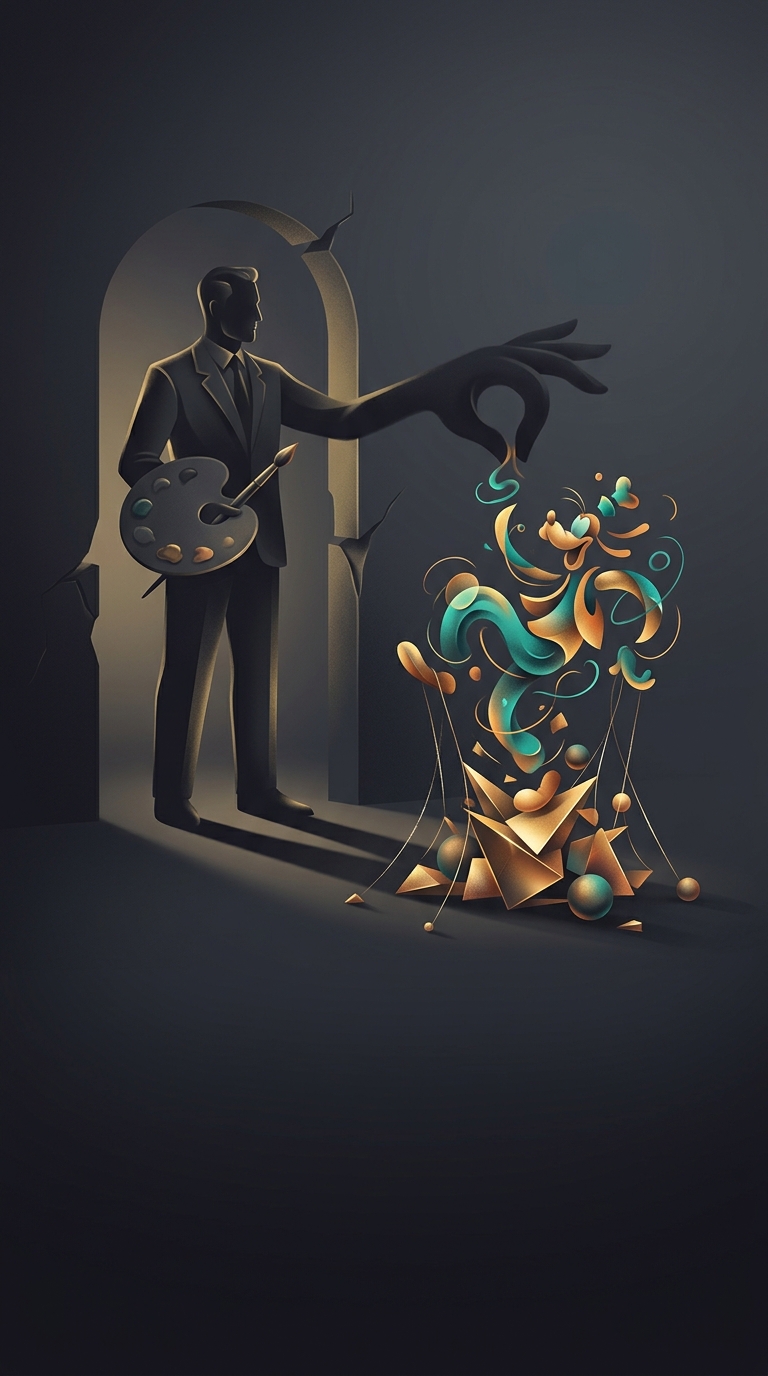
Goofy’s usefulness went beyond Disney’s opinion
A character does not have to win over a studio’s founder to earn a place on screen. Goofy’s appeal rested on a kind of comedy that could be built around movement: a confident plan derailed by awkward timing, an ordinary task turned into a chain of physical mishaps. That gave animators a repeatable setup for visual gags, even when the character himself was not regarded as a rich comic creation.
Short films made room for the work
A series of Goofy shorts also gave the studio a continuing format to produce. Instead of requiring every film to introduce a new character and world, each short could start with Goofy in a familiar situation and let the animation supply the surprises. That continuity made the character practically useful: animators had an established figure and a clear comic problem to work with.
During difficult years, keeping that production going meant more than preserving a familiar face. It meant maintaining work for the artists making the films. The tension is striking: a character Disney reportedly found grating could still serve the studio because his shorts gave a group of animators a durable creative assignment. Goofy’s survival, in that sense, depended not only on whether he pleased his creator, but on whether the studio could keep finding work for him—and for the people who animated him.