How a Human Growl Becomes a Tiger Roar
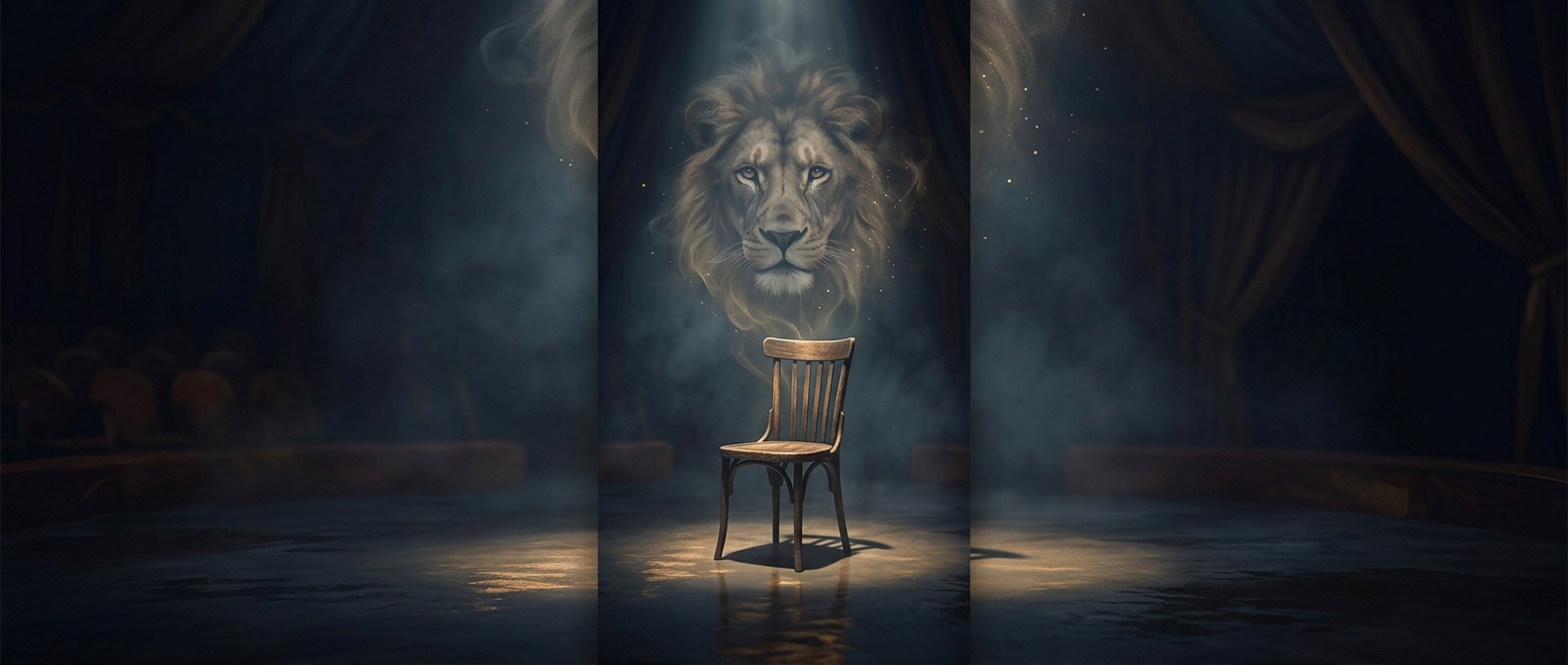
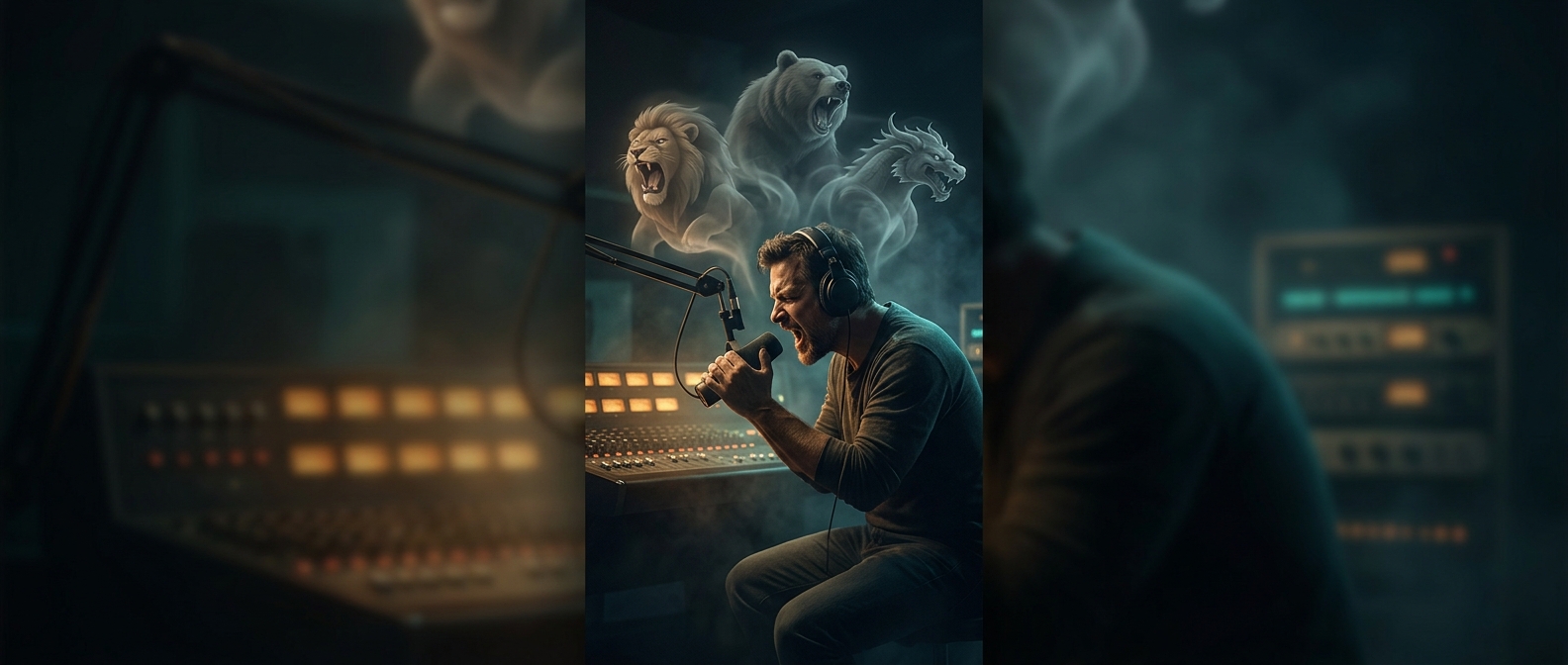
A roar in a cartoon is a designed sound, not necessarily a recording of the animal on screen. A performer can make a rough, low growl with the voice, while a cup held near the mouth changes the sound’s resonance—boosting some frequencies and softening others. It acts as a simple acoustic filter, giving the vocal sound a different, more hollow or focused character.
Shaping the Sound for the Scene
The raw growl is only a starting point. Sound editors can adjust its pitch and timing, add effects, or combine it with other recordings to make the result bigger and more animal-like. They can also place the roar precisely against a tiger’s movement: a short burst for a lunge, for example, or a longer sound for a sustained display.
That control matters in animation, where the creature’s performance is drawn rather than captured live. A real tiger cannot be asked to repeat a roar at the same moment or intensity, but a recorded vocal take can be trimmed, layered, and synchronized to the action. The goal is not to imitate every acoustic detail of a tiger; it is to make a convincing, expressive roar that fits the character and the scene.