A local rule for shared mountain trails
The ban was a decision by Appenzell Innerrhoden, one of Switzerland’s cantons—the country’s regional governments—not a nationwide rule. That distinction matters: the dispute was handled close to the trails where it arose, rather than settled by a single law for all of Switzerland.
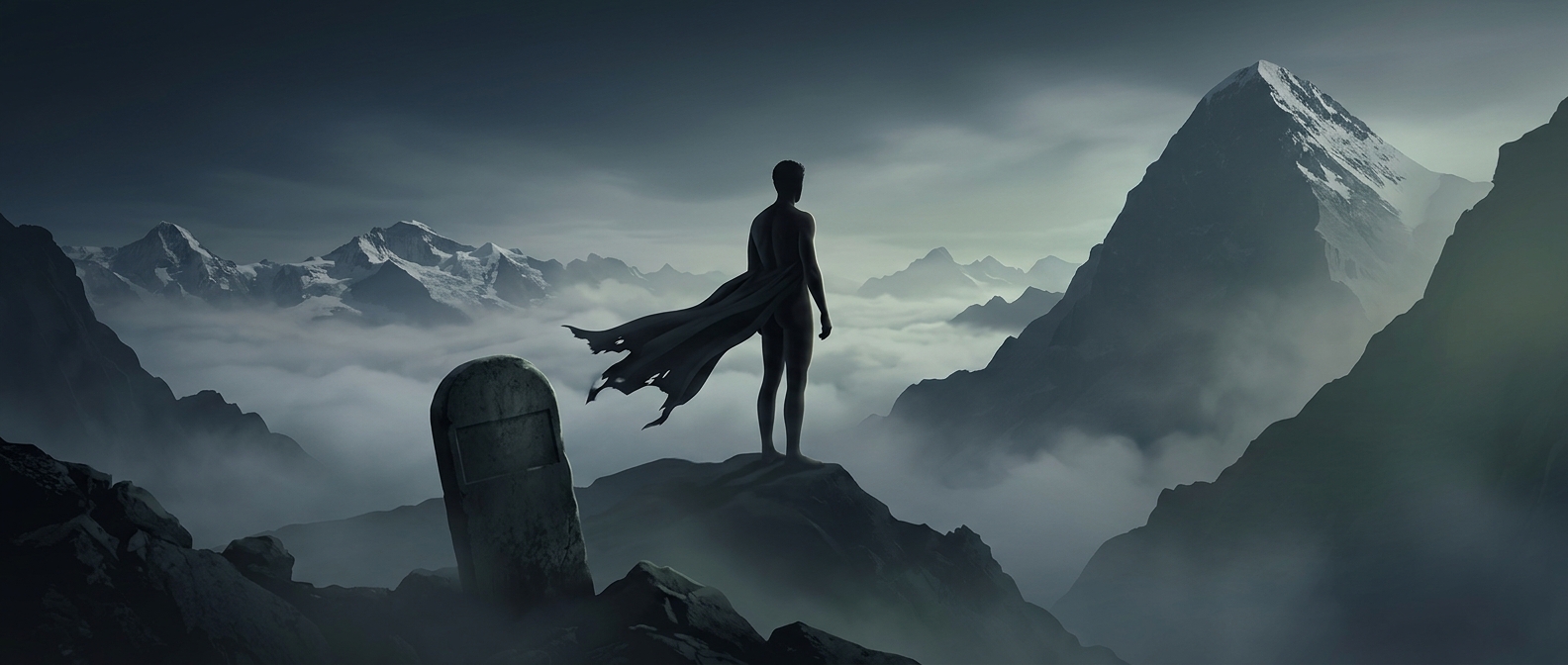
Mountain paths can feel remote, but they are also ordinary public places. Hikers, residents, and families stopping for a picnic may all use the same open slopes and routes. For locals who encountered nude walkers, the issue was not simply what someone chose to wear in isolation; it was the unexpected presence of nudity in a shared setting.
Where personal freedom meets public space
The ban turned that clash into a clear boundary: walking unclothed in public could bring a penalty. It did not mean that every form of naturism was prohibited everywhere in the country. Its practical focus was public exposure on the canton’s trails, where visitors’ choices could directly affect other people using the landscape.
That is why the episode became more than a disagreement about hiking etiquette. It showed how a destination’s appeal to visitors can collide with residents’ expectations for everyday public life—and how a local government can respond when a remote-looking trail is still a communal space.