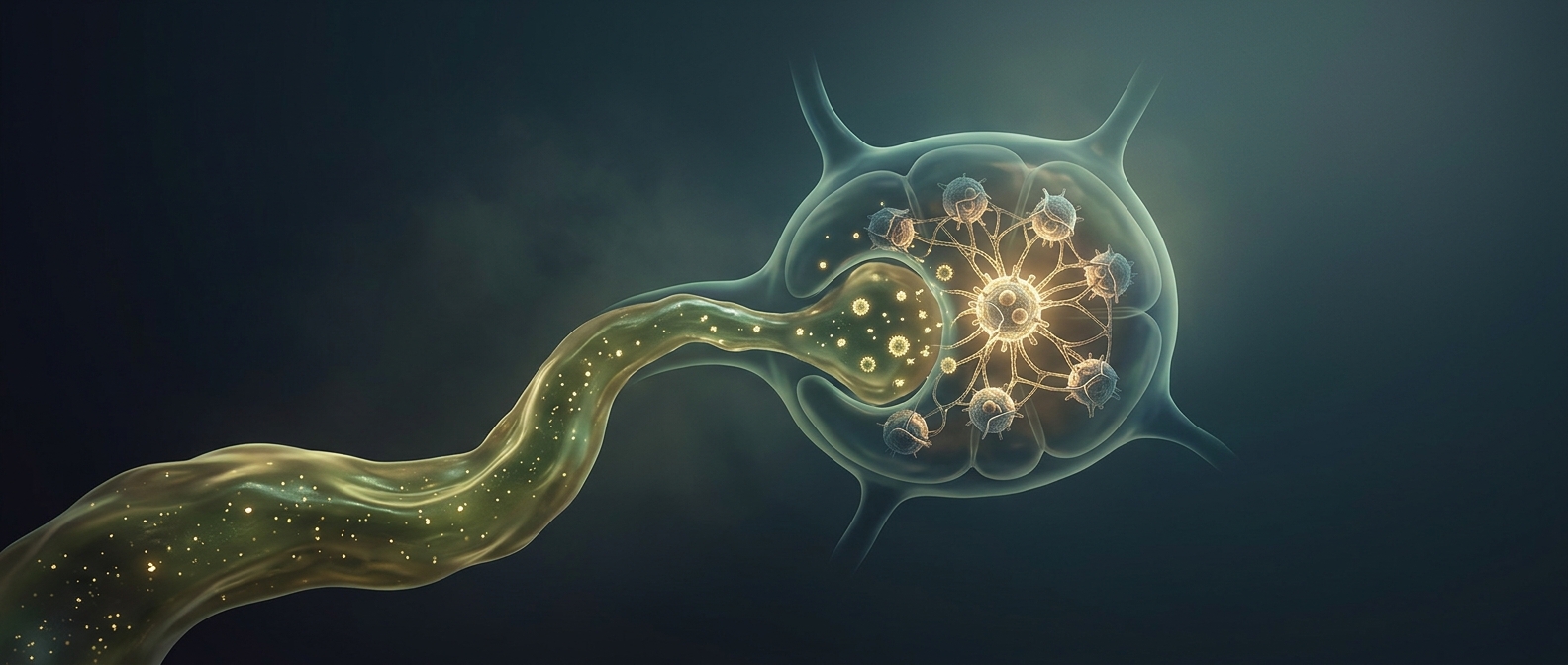
Zinc helps immune cells grow and coordinate
Immune defenses depend on cells that must multiply, mature, and communicate—not simply switch on. Zinc helps many proteins do their jobs, including proteins involved in copying DNA and controlling gene activity. That makes the mineral important as immune cells develop and respond to threats. It also helps maintain the skin and other tissue barriers that keep germs from entering the body.
When supply runs short, several jobs suffer
Because zinc is used throughout the body, too little can affect more than one stage of defense. Immune cells may not develop or function normally, while the body may also have a harder time repairing tissue. A wound, for example, needs cells to divide and build new material as damaged areas close.
The body keeps zinc levels within a working range, but it does not maintain a large reserve. Regular intake from foods such as beans, nuts, and seeds helps replenish what the body uses. Zinc supports the immune system’s routine work; it is not an on-off switch, and extra zinc is not automatically better. Its value is clearest in the ordinary chain of events: maintaining barriers, producing capable immune cells, and rebuilding tissue after damage.