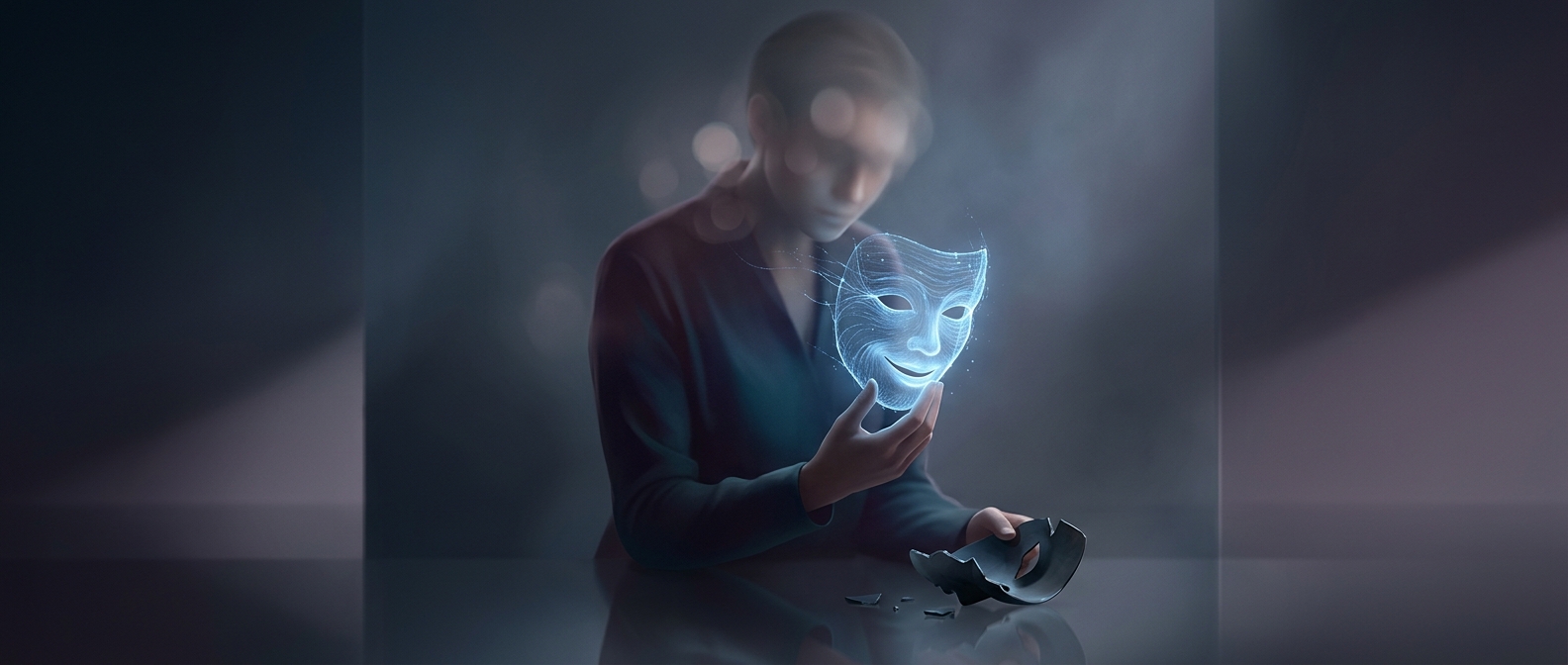
Why a Lie Doesn’t Have a Reliable Body-Language Signature
There is no single subconscious gesture that reliably gives away a lie. A person may look away, fidget, pause, or touch their face while telling the truth—or lie while appearing relaxed. These behaviors can reflect nerves, distraction, personality, or the situation, not deception itself.
What can change is a person’s behavior compared with their own usual pattern. A normally quick, expressive speaker might become unusually careful or still when answering a particular question. That shift can be worth noticing, but it is only a clue that something feels different, not proof of why.
What the Effort of Lying Can Change
Making up an account while keeping it plausible takes mental work. Someone may need to remember what they have already said, anticipate follow-up questions, and keep the story consistent. That effort can show up as longer pauses, simpler answers, or less spontaneous detail. But anxiety about being doubted—or simply trying hard to remember—can produce similar effects.
This is why a change in context is more informative than a gesture in isolation. If an answer suddenly becomes less specific, the useful next step is a calm, open question about the event, not an accusation based on eye contact or posture. A single movement can mislead; the conversation around it gives it meaning.