A royal portrait made from a farm product
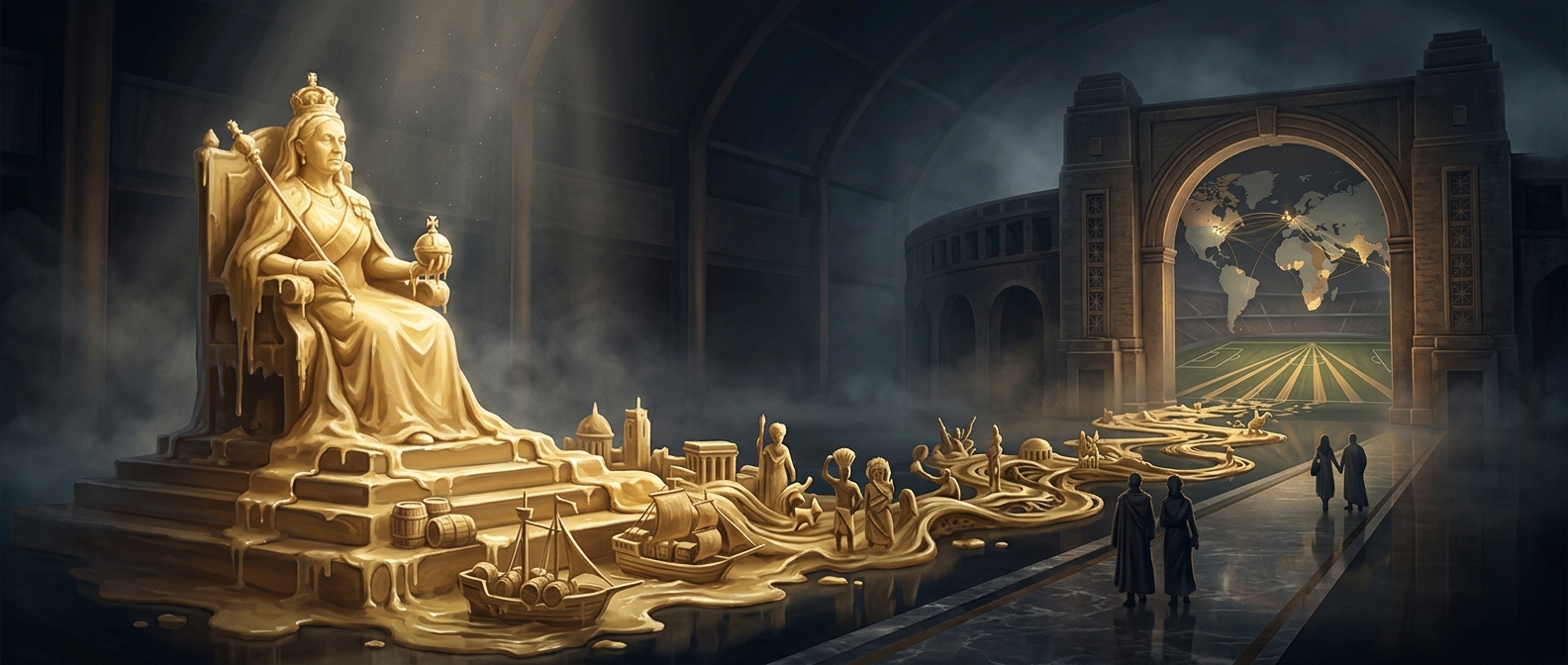
At the 1924 British Empire Exhibition in Wembley, the Prince of Wales appeared not in bronze or stone but in butter. The life-size sculpture turned an ordinary food into an unlikely spectacle: visitors could recognize a royal figure while also seeing the skill involved in shaping a soft, familiar material into a human likeness.
Butter is difficult to treat like a permanent sculptor’s medium. It softens with warmth and can lose its shape, so a display made from it depends on careful handling and cool conditions. That practical fragility was part of the contrast: a grand imperial showpiece was fashioned from something everyday and perishable.
Turning empire into something visitors could see
The exhibition presented Britain’s empire through displays designed to draw crowds, not just through maps or official speeches. A life-size royal likeness made that vast idea personal. The Prince of Wales supplied a recognizable symbol of imperial authority; the butter made the object surprising enough to stop people and look.
That combination also suited an exhibition built around spectacle. Rather than simply telling visitors that the empire possessed skilled makers and valuable products, displays could make those claims visible in objects. The butter portrait joined a familiar commodity to royal pageantry—and made the connection memorable precisely because it was so unusual.
Wembley’s butter prince was therefore more than an odd portrait. It showed how an exhibition could turn imperial identity into a scene visitors encountered face to face, even when the material itself could not last.