The supply line that keeps moving in the dark
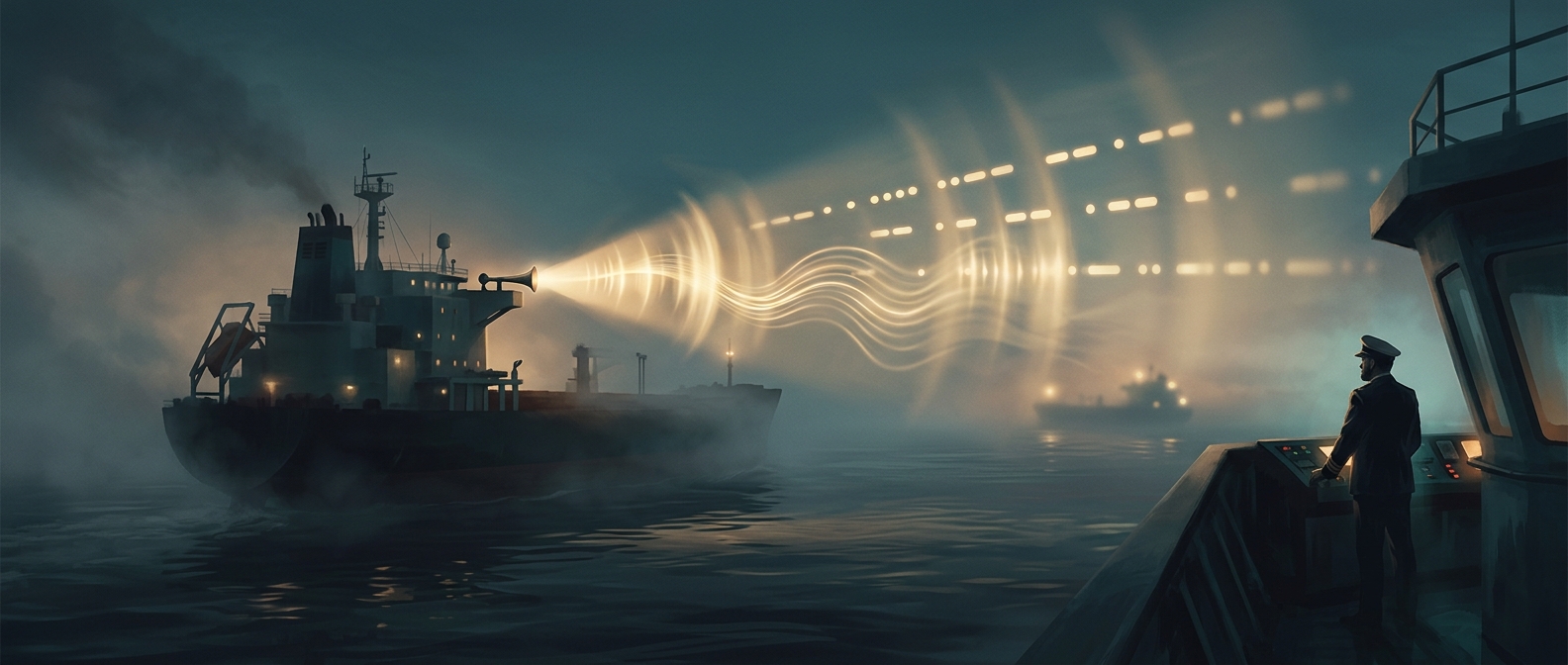
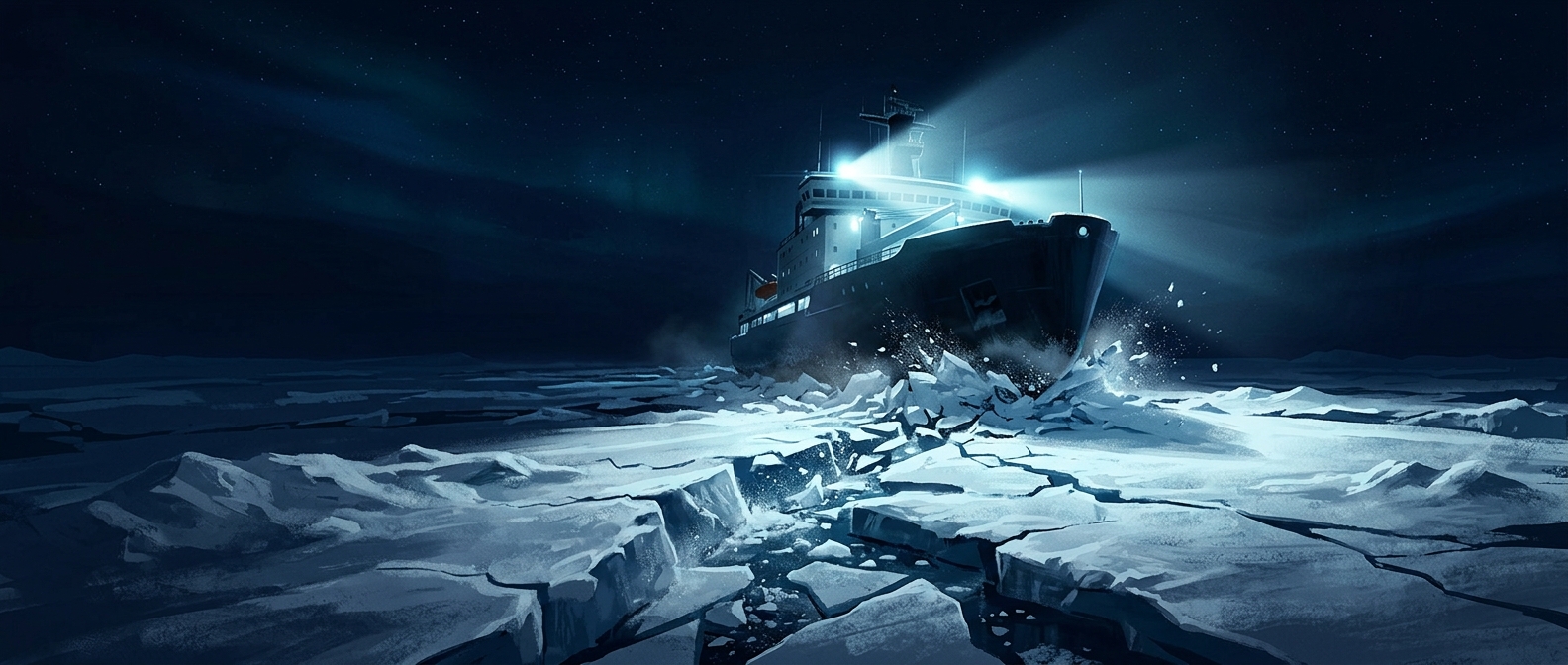
Polar night removes daylight, not the need for regular deliveries. In Longyearbyen, cargo ships carry food and other goods across cold, exposed waters, where darkness, wind and drifting ice can make the final approach to shore difficult. An icebreaker’s reinforced bow is designed to push into ice and break it apart, helping maintain a route when ordinary vessels could be slowed or blocked.
That capability does not make winter sailing effortless. Blizzards can reduce visibility, while rough seas and ice complicate navigation and docking. The ship still has to reach a working harbor and unload safely; breaking a path through ice is only one part of the journey.
Why timing matters at the far end of the route
A cargo ship is a moving link in a longer chain: goods must be loaded elsewhere, carried north, and transferred ashore before they can reach shops and homes. In a remote settlement, a delayed voyage can matter more than it would in a city with many nearby roads and alternate suppliers. Deliveries therefore depend on coordinating voyages with weather and sea conditions, rather than treating the route as an all-season certainty.
The striking detail is that darkness itself does not stop the supply system. Ships and crews work by instruments, navigation lights and established procedures; the greater challenge is managing the combined risks of cold, ice and poor visibility. In Longyearbyen, keeping everyday goods moving through the polar night means maintaining a maritime connection when the landscape offers few easy alternatives.