From military hardware to a passenger ride
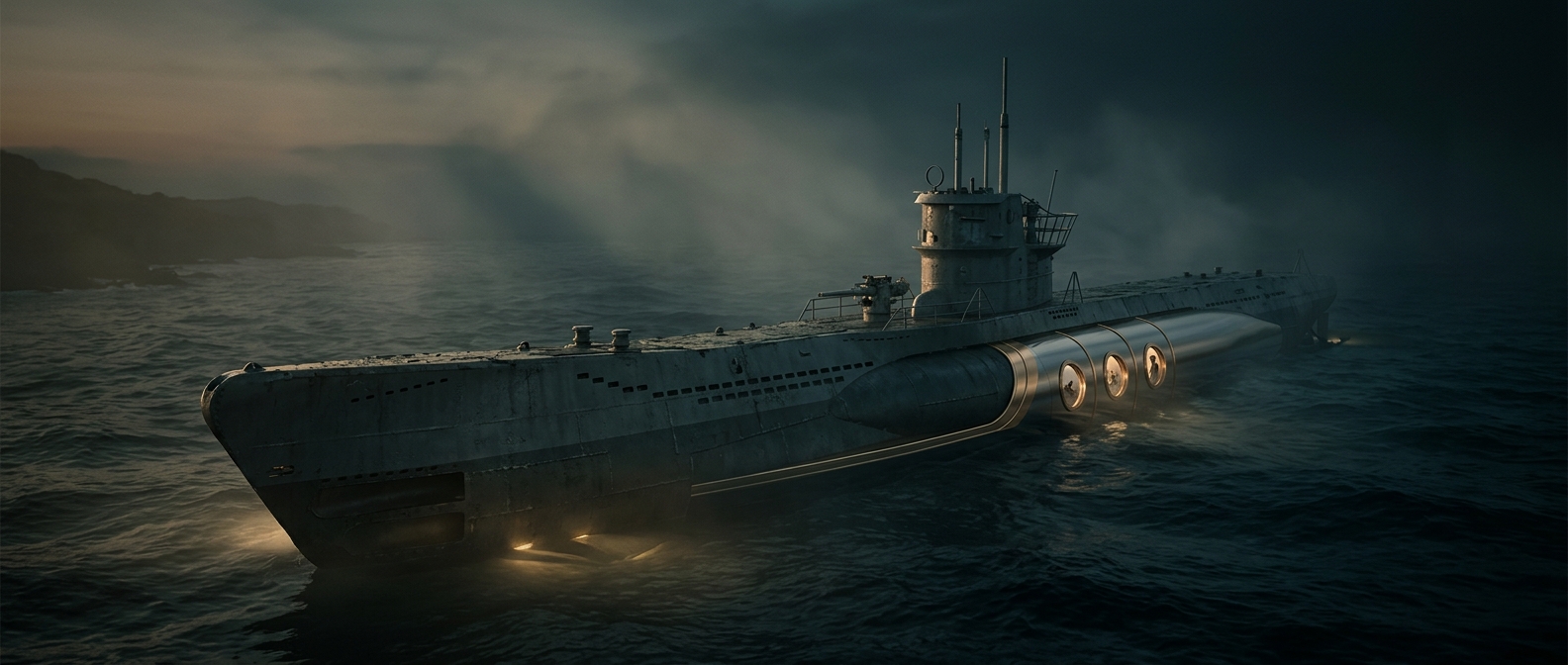
A retired submarine already represented a huge investment in a specialized machine. For entrepreneurs, putting one to a new use offered a way to turn that costly, unused vessel into an attraction: civilians could experience a submarine from the inside rather than merely look at one from shore.
But a military boat was not designed around sightseeing. Its spaces were arranged for a working crew and the demands of submarine operations, not for comfort or easy movement by visitors. That meant the appeal and the limitation came together: the close quarters made the ride feel authentic, while also restricting how many people could fit aboard.
The tour’s real tradeoff
Unlike a large sightseeing boat, a submarine could not simply offer passengers room to spread out and take in the view from an open deck. The experience depended on being inside a confined vessel, with whatever ways of seeing the underwater world its particular design and conversion allowed. The retired boat supplied the setting; adapting it for paying civilians made that setting into a tour.
That tradeoff helps explain why the tours were memorable: passengers were not just looking at a submarine, but entering a machine built for a very different purpose. The attraction came from repurposing the real thing—even when its original design left little room for comfort.